Nursing practice questions with comprehensive rationales
NurseDive Free Nursing Practice Question
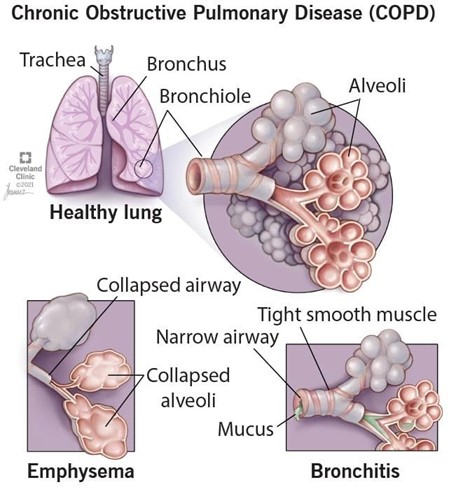
A nurse is developing a plan of care for a client who has COPD. The nurse should include which of the
following interventions in the plan?
A. Provide the client with a low protein diet.
A low protein diet is not recommended for clients with COPD, as they need adequate protein intake to maintain muscle mass and prevent malnutrition.
B. Instruct the client to use pursed-lip breathing.
Pursed-lip breathing is a technique that helps clients with COPD to exhale more effectively and prevent air trapping in the lungs. It also reduces dyspnea and improves oxygenation.
C. Restrict the client's fluid intake to less than 2 L/day.
Fluid restriction is not necessary for clients with COPD, unless they have signs of fluid overload or heart failure. Adequate hydration helps to thin secretions and facilitate expectoration.
D. Have the client use the early-morning hours for exercise and activity.
Early-morning hours are not the best time for exercise and activity for clients with COPD, as they may experience more shortness of breath and fatigue due to diurnal variations in lung function. A beter time would be mid-morning or afternoon, after taking bronchodilators and clearing secretions.
This question is an excerpt from Nurse Dive's nursing test bank - ATI Med Surg Proctored Exam 1. Take the full exam now
Full Explanation
Pursed-lip breathing is a technique that helps clients with COPD to exhale more effectively and prevent air trapping in the lungs. It also reduces dyspnea and improves oxygenation.
a) A low protein diet is not recommended for clients with COPD, as they need adequate protein intake to maintain muscle mass and prevent malnutrition.
c) Fluid restriction is not necessary for clients with COPD, unless they have signs of fluid overload or heart failure. Adequate hydration helps to thin secretions and facilitate expectoration.
d) Early-morning hours are not the best time for exercise and activity for clients with COPD, as they may experience more shortness of breath and fatigue due to diurnal variations in lung function. A better time would be mid-morning or afternoon, after taking bronchodilators and clearing secretions.
Similar Questions
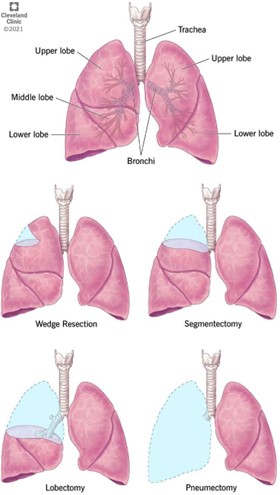
A nurse is assessing a client who is to undergo a left lobectomy to treat lung cancer. The client tells the nurse that she is scared and wishes she had never smoked. Which of the following responses should the nurse make?
A. "Your doctor is a great surgeon. You will be fine."
This response is false reassurance and nontherapeutic, as it dismisses the client's feelings and implies that the surgery will solve everything.
B. "You may feel scared. Let's talk about what you are afraid of."
This response is empathetic and therapeutic, as it acknowledges the client's feelings and invites her to express her concerns. It also shows respect and interest in the client's perspective.
C. "I understand your fears. I was a smoker also."
This response is self-disclosure and nontherapeutic, as it shifts the focus from the client to the nurse and does not address the client's fears.
D. "Don't worry. The important thing is you have now quit smoking."
This response is minimizing and nontherapeutic, as it tells the client how to feel and does not acknowledge the client's regret or anxiety.
Full Explanation
This response is empathetic and therapeutic, as it acknowledges the client's feelings and invites her to express her concerns. It also shows respect and interest in the client's perspective.
a) This response is false reassurance and nontherapeutic, as it dismisses the client's feelings and implies
that the surgery will solve everything.
b) This response is self-disclosure and nontherapeutic, as it shifts the focus from the client to the nurse and
does not address the client's fears.
d) This response is minimizing and nontherapeutic, as it tells the client how to feel and does not acknowledge the client's regret or anxiety.
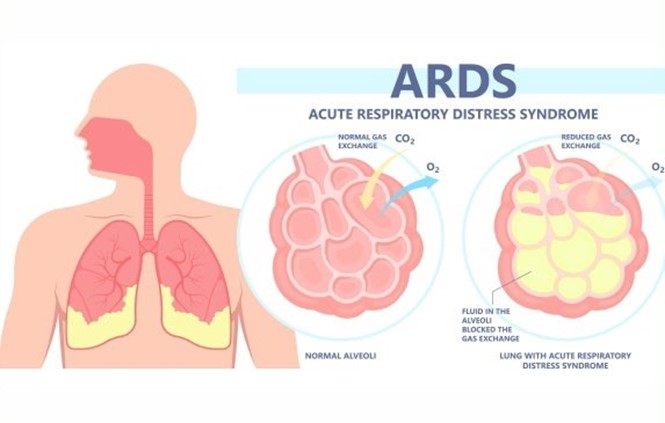
A nurse is planning care for a client who has acute respiratory distress syndrome (ARDS). Which of the following interventions should the nurse include in the plan?
A. Administer low-flow oxygen continuously via nasal cannula.
Administering low-flow oxygen via nasal cannula is not sufficient for a client with ARDS, who requires high levels of oxygenation and positive pressure ventilation to prevent alveolar collapse and hypoxemia.
B. Offer high-protein and high-carbohydrate foods frequently.
Offering high-protein and high-carbohydrate foods frequently is beneficial for a client with ARDS, as it provides adequate nutrition and energy to support lung healing and prevent muscle wasting. However, it is not the priority intervention for improving respiratory function.
C. Place in a prone position.
Placing the client in a prone position improves oxygenation and ventilation by reducing lung compression, increasing lung expansion, and redistributing blood flow to better match ventilation.
D. Encourage oral intake of at least 3,000 mL of fluids per day.
Encouraging oral intake of at least 3,000 mL of fluids per day is contraindicated for a client with ARDS, who is at risk of fluid overload and pulmonary edema. Fluid intake should be restricted and diuretics should be administered as prescribed to reduce fluid accumulation in the lungs.
Full Explanation
Placing the client in a prone position improves oxygenation and ventilation by reducing lung compression, increasing lung expansion, and redistributing blood flow to better match ventilation.
a) Administering low-flow oxygen via nasal cannula is not sufficient for a client with ARDS, who requires
high levels of oxygenation and positive pressure ventilation to prevent alveolar collapse and hypoxemia.
b) Offering high-protein and high-carbohydrate foods frequently is beneficial for a client with ARDS, as it provides adequate nutrition and energy to support lung healing and prevent muscle wasting. However, it is not the priority intervention for improving respiratory function.
d) Encouraging oral intake of at least 3,000 mL of fluids per day is contraindicated for a client with ARDS, who is at risk of fluid overload and pulmonary edema. Fluid intake should be restricted and diuretics should be administered as prescribed to reduce fluid accumulation in the lungs.
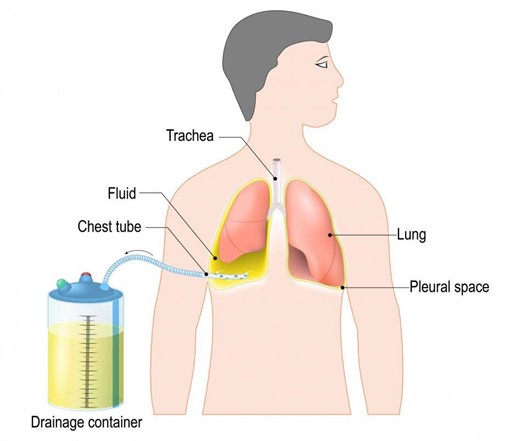
A nurse is caring for a client who has a chest tube connected to a closed drainage system and needs to be transported to the x-ray department. Which of the following actions should the nurse take?
A. Disconnect the chest tube from the drainage system during transport.
Disconnecting the chest tube from the drainage system during transport is dangerous and can cause pneumothorax, infection, or bleeding. The chest tube should remain connected to the drainage system at all times unless ordered by the provider.
B. Empty the collection chamber prior to transport.
Emptying the collection chamber prior to transport is unnecessary and can interfere with accurate measurement of drainage. The collection chamber should be emptied only when it is full or at the end of each shift.
C. Clamp the chest tube prior to transferring the client to a wheelchair.
Clamping the chest tube prior to transferring the client to a wheelchair is contraindicated and can cause tension pneumothorax, as it prevents air from escaping the pleural space. The chest tube should only be clamped for a brief period when changing the drainage system or checking for air leaks, and only with a provider's order.
D. Keep the drainage system below the level of the client's chest at all times.
Keeping the drainage system below the level of the client's chest prevents backflow of fluid or air into the pleural space and maintains negative pressure in the system.
Full Explanation
Keeping the drainage system below the level of the client's chest prevents backflow of fluid or air into the
pleural space and maintains negative pressure in the system.
a) Disconnecting the chest tube from the drainage system during transport is dangerous and can cause pneumothorax, infection, or bleeding. The chest tube should remain connected to the drainage system at all times unless ordered by the provider.
b) Emptying the collection chamber prior to transport is unnecessary and can interfere with accurate measurement of drainage. The collection chamber should be emptied only when it is full or at the end of each shift.
c) Clamping the chest tube prior to transferring the client to a wheelchair is contraindicated and can cause tension pneumothorax, as it prevents air from escaping the pleural space. The chest tube should only be clamped for a brief period when changing the drainage system or checking for air leaks, and only with a provider's order.