
Nursing practice questions with comprehensive rationales
NurseDive Free Nursing Practice Question
A nurse is discussing the process of evidence-based practice (EBP) with a newly licensed nurse. Which of the following statements made by the newly licensed nurse indicates an understanding of the process?
A. "Identifying the problem is the first step of the EBP process."
Identifying the problem or clinical question is indeed the initial step in the EBP process, as it involves recognizing an issue or a gap in current knowledge or practice.
B. "Reviewing the effectiveness of the findings is the last step of the EBP process."
Reviewing effectiveness typically falls within the implementation phase of EBP, not necessarily the final step.
C. "Reliance on personal experiences is important to the process of EBP."
EBP emphasizes using research evidence over personal experiences to guide practice.
D. "There are four steps in the process of EBP."
EBP involves multiple steps that typically include more than four distinct phases, such as identifying the problem, gathering evidence, implementing interventions, and evaluatingoutcomes.
This question is an excerpt from Nurse Dive's nursing test bank - Ati RN Psychtriac Nursing Proctored Exam. Take the full exam now
Full Explanation
A. Identifying the problem or clinical question is indeed the initial step in the EBP process, as it involves recognizing an issue or a gap in current knowledge or practice.
B. Reviewing effectiveness typically falls within the implementation phase of EBP, not necessarily the final step.
C. EBP emphasizes using research evidence over personal experiences to guide practice.
D. EBP involves multiple steps that typically include more than four distinct phases, such as identifying the problem, gathering evidence, implementing interventions, and evaluating
outcomes.
Similar Questions
After failing two tests, a college student cried for hours and then tried to telephone a parent but got no answer. The student then gave several expensive sweaters to a roommate. Which behavior provides the strongest clue of an impending suicide attempt?
A. Staying alone in a dorm room
While staying alone can be concerning, it might not be the strongest indicator of an impending suicide attempt in this scenario.
B. Excessive crying
Excessive crying is a potential sign of distress but might not directly point towards an impending suicide attempt.
C. Giving away sweaters
Giving away prized possessions or making significant gifts is often considered a strong indicator of an impending suicide attempt, indicating a sense of "getting affairs in order."
D. Calling parents
Attempting to communicate with family might suggest seeking support rather than indicating an impending suicide attempt.
Full Explanation
A. While staying alone can be concerning, it might not be the strongest indicator of an impending suicide attempt in this scenario.
B. Excessive crying is a potential sign of distress but might not directly point towards an impending suicide attempt.
C. Giving away prized possessions or making significant gifts is often considered a strong indicator of an impending suicide attempt, indicating a sense of "getting affairs in order."
D. Attempting to communicate with family might suggest seeking support rather than indicating an impending suicide attempt.
When assessing for the subjective symptoms of posttraumatic stress disorder (PTSD), which question will the nurse ask a client hospitalized for severe anxiety related to a sexual assault by a family member as a teenager?
A. "On a regular basis, do you get enough restful sleep?"
Sleep disturbances are common in PTSD, but they might not address the current acute symptoms the client is experiencing.
B. "Can we discuss what triggered your angry outburst a few minutes ago?"
This question explores the immediate trigger for an outburst but might not directly address the PTSD symptoms related to the sexual assault.
C. "Are you experiencing a flashback of the rape right now?"
Inquiring about flashbacks directly relates to one of the hallmark symptoms of PTSD, especially given the recent severe anxiety related to the assault.
D. "Am I correct to say that you try to avoid certain family members?"
Avoidance behavior is a symptom of PTSD, but the question about experiencing a flashback addresses more immediate distress.
Full Explanation
A. Sleep disturbances are common in PTSD, but they might not address the current acute symptoms the client is experiencing.
B. This question explores the immediate trigger for an outburst but might not directly address the PTSD symptoms related to the sexual assault.
C. Inquiring about flashbacks directly relates to one of the hallmark symptoms of PTSD, especially given the recent severe anxiety related to the assault.
D. Avoidance behavior is a symptom of PTSD, but the question about experiencing a flashback addresses more immediate distress.
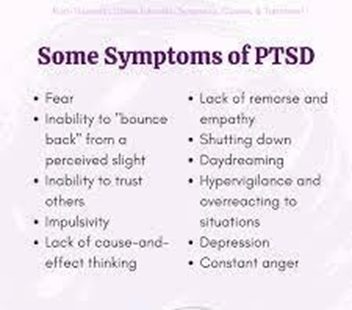
When assessing for the subjective symptoms of posttraumatic stress disorder (PTSD), which question will the nurse ask a client hospitalized for severe anxiety related to a sexual assault by a family member as a teenager?
A. "On a regular basis, do you get enough restful sleep?"
Sleep disturbances are common in PTSD but might not address the immediate distress related to the sexual assault.
B. "Can we discuss what triggered your angry outburst a few minutes ago?"
While discussing triggers is relevant, it might not directly address the current acute symptoms of reliving the traumatic event.
C. "Are you experiencing a flashback of the rape right now?"
Asking about current experiences of flashbacks directly relates to one of the hallmark symptoms of PTSD, especially given the recent severe anxiety related to the assault.
D. "Am I correct to say that you try to avoid certain family members?"
Avoidance behavior is a symptom of PTSD, but asking about flashbacks addresses more immediate distress.
Full Explanation
A. Sleep disturbances are common in PTSD but might not address the immediate distress related to the sexual assault.
B. While discussing triggers is relevant, it might not directly address the current acute symptoms of reliving the traumatic event.
C. Asking about current experiences of flashbacks directly relates to one of the hallmark symptoms of PTSD, especially given the recent severe anxiety related to the assault.
D. Avoidance behavior is a symptom of PTSD, but asking about flashbacks addresses more immediate distress.