
Nursing practice questions with comprehensive rationales
NurseDive Free Nursing Practice Question
A nurse is discussing the stages of general adaptation syndrome with a newly licensed nurse.
The nurse should identify that which of the following manifestations occurs during the alarm reaction stage.
A. Depression.
Choice A is wrong because depression is not a manifestation that occurs during the alarm reaction stage of general adaptation syndrome.
B. Dilated pupils.
This is because during the alarm reaction stage of general adaptation syndrome, which is also known as the fight-or-flight response, the sympathetic nervous system is activated by the sudden release of hormones. This hormone release causes physical symptoms such as dilated pupils.
C. Bradycardia.
Choice C is wrong because bradycardia, or a slow heart rate, is not a manifestation that occurs during the alarm reaction stage of general adaptation syndrome. Instead, an increase in heart rate is a common physical sign during this stage.
D. Physical exhaustion.
Choice D is wrong because physical exhaustion is not a manifestation that occurs during the alarm reaction stage of general adaptation syndrome. Physical exhaustion occurs during the final stage of general adaptation syndrome, which is known as the exhaustion stage.
This question is an excerpt from Nurse Dive's nursing test bank - ATI RN Fundamentals 2019 with NGN Proctored Exam. Take the full exam now
Full Explanation
This is because during the alarm reaction stage of general adaptation syndrome, which is also known as the fight-or-flight response, the sympathetic nervous system is activated by the sudden release of hormones.
This hormone release causes physical symptoms such as dilated pupils.
Choice A is wrong because depression is not a manifestation that occurs during the alarm reaction stage of general adaptation syndrome.
Choice C is wrong because bradycardia, or a slow heart rate, is not a manifestation that occurs during the alarm reaction stage of general adaptation syndrome.
Instead, an increase in heart rate is a common physical sign during this stage.
Choice D is wrong because physical exhaustion is not a manifestation that occurs during the alarm reaction stage of general adaptation syndrome.
Physical exhaustion occurs during the final stage of general adaptation syndrome, which is known as the exhaustion stage.
Similar Questions
A nurse is planning to discharge a client who has diabetes mellitus and a new prescription for insulin. Which of the following actions should the nurse plan to complete first?
A. Make a copy of the medication reconciliation form for the client.
Choice A is wrong because making a copy of the medication reconciliation form for the client is not the first action that should be taken. While it is important to provide the client with a copy of their medication reconciliation form, this should be done after determining whether the client can afford the insulin administration supplies.
B. Obtain printed information about insulin self-administration.
Choice B is wrong because obtaining printed information about insulin self-administration is not the first action that should be taken. While it is important to provide the client with information about insulin self-administration, this should be done after determining whether the client can afford the insulin administration supplies.
C. Provide the client with the contact number for a diabetes education specialist.
Choice C is wrong because providing the client with the contact number for a diabetes education specialist is not the first action that should be taken. While it is important to provide the client with resources for diabetes education, this should be done after determining whether the client can afford insulin administration supplies.
D. Determine whether the client can afford the insulin administration supplies.
This is because before providing the client with information about insulin self-administration and other resources, it is important to first determine whether the client can afford the insulin administration supplies. This will help to ensure that the client has access to the necessary supplies for managing their diabetes mellitus.
Full Explanation
This is because before providing the client with information about insulin self-administration and other resources, it is important to first determine whether the client can afford the insulin administration supplies.
This will help to ensure that the client has access to the necessary supplies for managing their diabetes mellitus.
Choice A is wrong because making a copy of the medication reconciliation form for the client is not the first action that should be taken.
While it is important to provide the client with a copy of their medication reconciliation form, this should be done after determining whether the client can afford the insulin administration supplies.
Choice B is wrong because obtaining printed information about insulin self-administration is not the first action that should be taken.
While it is important to provide the client with information about insulin self-administration, this should be done after determining whether the client can afford the insulin administration supplies.
Choice C is wrong because providing the client with the contact number for a diabetes education specialist is not the first action that should be taken.
While it is important to provide the client with resources for diabetes education, this should be done after determining whether the client can afford insulin administration supplies.
A nurse is teaching an older adult client who has type 2 diabetes mellitus about how to care for corns and calluses on her toes.
Which of the following statements by the client indicates an understanding of the teaching?
A. "I should soak my feet in warm water daily to soften corns and calluses.".
Choice A is wrong because soaking feet in warm water daily can soften corns and calluses, making it easier to remove the thickened skin 2.
B. "I can place an oval corn pad over toes that have corns as long as I remove the pad weekly.".
Choice B is wrong because while using corn pads can help protect the area where corn has formed, it is important to follow the manufacturer’s instructions for use and removal.
C. "I should use an over-the-counter liquid medication to remove corns.".
Choice C is wrong because using over-the-counter liquid medication to remove corn is not recommended for people with diabetes.
D. "I can apply lotion to soften calluses as long as I don't put lotion between my toes.".
“I can apply lotion to soften calluses as long as I don’t put lotion between my toes.” This is because moisturizing can help keep skin soft and prevent corns and calluses from forming. However, it is important to avoid putting lotion between the toes as this can increase the risk of infection 1.
Full Explanation
“I can apply lotion to soften calluses as long as I don’t put lotion between my toes.” This is because moisturizing can help keep skin soft and prevent corns and calluses from forming.
However, it is important to avoid putting lotion between the toes as this can increase the risk of infection 1.
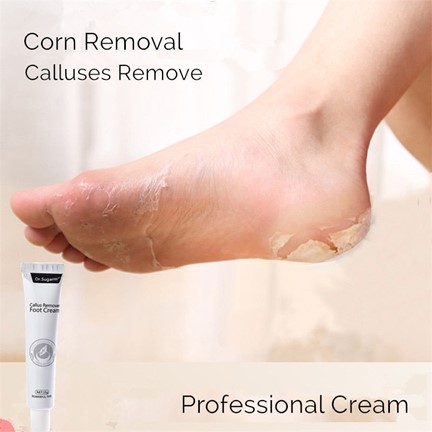
Choice A is wrong because soaking feet in warm water daily can soften corns and calluses, making it easier to remove the thickened skin 2.
Choice B is wrong because while using corn pads can help protect the area where corn has formed, it is important to follow the manufacturer’s instructions for use and removal.
Choice C is wrong because using over-the-counter liquid medication to remove corn is not recommended for people with diabetes.
A nurse is preparing to administer an injection to a client.
Which of the following actions should the nurse plan to take after administering the injection?
A. Remove the needle from the syringe.
Choice A is wrong because removing the needle from the syringe is not necessary.
B. Recap the needle before disposal.
Choice B is wrong because recapping the needle before disposal is not recommended as it increases the risk of needlestick injuries.
C. Discard the needle in a puncture-proof container.
After administering an injection, a nurse should discard the needle in a puncture-proof container. This is a recommended practice to ensure the safety of injections and related practices.
D. Place the needle on the bedside table.
Choice D is wrong because placing the needle on the bedside table poses a risk of injury and infection.
Full Explanation
After administering an injection, a nurse should discard the needle in a puncture-proof container.
This is a recommended practice to ensure the safety of injections and related practices.
Choice A is wrong because removing the needle from the syringe is not necessary.
Choice B is wrong because recapping the needle before disposal is not recommended as it increases the risk of needlestick injuries.
Choice D is wrong because placing the needle on the bedside table poses a risk of injury and infection.