
Nursing practice questions with comprehensive rationales
NurseDive Free Nursing Practice Question
A nurse is educating parents about essential dietary modifications for their child, who has recently been diagnosed with celiac disease.
Which foods should the nurse include in the list of permissible foods for this child?
A. Rice
Rice is a gluten-free grain and is safe for individuals with celiac disease to consume.
B. Barley
Barley contains gluten, a protein that triggers an immune response in people with celiac disease, damaging the lining of the small intestine. Therefore, barley should be avoided.
C. Rye
Rye also contains gluten and should be avoided by individuals with celiac disease.
D. Oats
Oats are often cross-contaminated with gluten-containing grains and should be consumed with caution. Only oats labeled as gluten-free are safe for individuals with celiac disease.
This question is an excerpt from Nurse Dive's nursing test bank - HESI Pediatrics Proctored Exam. Take the full exam now
Full Explanation
Choice A rationale
Rice is a gluten-free grain and is safe for individuals with celiac disease to consume.
Choice B rationale
Barley contains gluten, a protein that triggers an immune response in people with celiac disease, damaging the lining of the small intestine. Therefore, barley should be avoided.
Choice C rationale
Rye also contains gluten and should be avoided by individuals with celiac disease.
Choice D rationale
Oats are often cross-contaminated with gluten-containing grains and should be consumed with caution. Only oats labeled as gluten-free are safe for individuals with celiac disease.
Similar Questions
The nurse is evaluating a child with acute glomerulonephritis who presents at the clinic with increased fatigue, facial swelling, and decreased appetite. The child’s urine sample is dark yellow. What additional finding should the nurse report to the healthcare provider?
A. Blood pressure 88/50 mmHg
Blood pressure of 88/50 mmHg is lower than normal but not typically associated with acute glomerulonephritis. High blood pressure is more common in this condition.
B. Weight loss
Weight loss is not a typical symptom of acute glomerulonephritis. Instead, fluid retention and weight gain are more common due to edema.
C. Maculopapular rash over the trunk of the body
A maculopapular rash over the trunk is not commonly associated with acute glomerulonephritis. This condition usually presents with symptoms like hematuria, proteinuria, and edema.
D. Positive rapid strep test of the oropharynx
A positive rapid strep test of the oropharynx indicates a recent streptococcal infection, which is a common cause of acute glomerulonephritis. Reporting this finding is crucial for appropriate management.
Full Explanation
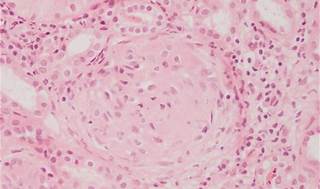
The correct answer is choice d. Positive rapid strep test of the oropharynx.
Choice A rationale:
Blood pressure of 88/50 mmHg is lower than normal but not typically associated with acute glomerulonephritis. High blood pressure is more common in this condition.
Choice B rationale:
Weight loss is not a typical symptom of acute glomerulonephritis. Instead, fluid retention and weight gain are more common due to edema.
Choice C rationale:
A maculopapular rash over the trunk is not commonly associated with acute glomerulonephritis. This condition usually presents with symptoms like hematuria, proteinuria, and edema.
Choice D rationale:
A positive rapid strep test of the oropharynx indicates a recent streptococcal infection, which is a common cause of acute glomerulonephritis. Reporting this finding is crucial for appropriate management.
Which snack choice by a school-aged child with gastroesophageal reflux indicates to the nurse that the child understands the dietary restrictions?
A. Chocolate milkshake
Chocolate is known to trigger GERD symptoms as it contains caffeine and other stimulants which can cause acid reflux.
B. Sugar cookies
Sugar cookies are a safe snack choice for individuals with gastroesophageal reflux disease as they are not known to trigger GERD symptoms.
C. Tacos
Tacos often contain spicy ingredients and high-fat meats, both of which can trigger GERD symptoms.
D. Pizza
Pizza is typically high in fat and can contain acidic tomato sauce, both of which can trigger GERD symptoms.
Full Explanation
Choice A rationale
Chocolate is known to trigger GERD symptoms as it contains caffeine and other stimulants which can cause acid reflux.
Choice B rationale
Sugar cookies are a safe snack choice for individuals with gastroesophageal reflux disease as they are not known to trigger GERD symptoms.
Choice C rationale
Tacos often contain spicy ingredients and high-fat meats, both of which can trigger GERD symptoms.
Choice D rationale
Pizza is typically high in fat and can contain acidic tomato sauce, both of which can trigger GERD symptoms.
The nurse is assessing the growth and development of a 3-year-old child. Which speech and language skills should the nurse identify as normal developmental milestones for this child?
A. Recognizes most letters and numbers
Recognizing most letters and numbers is a skill typically developed around the age of 4 or 5, not at 3 years old.
B. Uses 1-word sentences
Using 1-word sentences is a milestone typically reached by the age of 2. By 3 years old, children are usually able to speak in simple sentences with four or more words.
C. Speaks in simple sentences with four or more words
Speaking in simple sentences with four or more words is a typical language skill for a 3-year-old child.
D. Uses gestures with 1 to 2-word sentences .
Using gestures with 1 to 2-word sentences is a milestone typically reached by the age of 2. By 3 years old, children are usually able to speak in simple sentences with four or more words.
Full Explanation
Choice A rationale
Recognizing most letters and numbers is a skill typically developed around the age of 4 or 5, not at 3 years old.
Choice B rationale
Using 1-word sentences is a milestone typically reached by the age of 2. By 3 years old, children are usually able to speak in simple sentences with four or more words.
Choice C rationale
Speaking in simple sentences with four or more words is a typical language skill for a 3-year-old child.
Choice D rationale
Using gestures with 1 to 2-word sentences is a milestone typically reached by the age of 2. By 3 years old, children are usually able to speak in simple sentences with four or more words.