Nursing practice questions with comprehensive rationales
NurseDive Free Nursing Practice Question
A nurse is establishing a baseline postoperative assessment for a client who is recovering from a right femoropopliteal bypass graft. Which of the following findings in the assessment of the client's right leg should be of the most concern to the nurse?
A. The client's foot feels cooler than in the previous assessment.
A cooler foot may indicate decreased blood flow to the limb.
B. The client's pedal pulse in the right foot is not palpable.
The most concerning finding in the assessment of a client's right leg after a femoropopliteal bypass graft would be if the client's pedal pulse in the right foot is not palpable. This could indicate a problem with blood flow to the limb.
C. The client's capillary refill time is 5 seconds in the toes.
A capillary refill time of 5 seconds may also indicate decreased blood flow.
D. The client reports a pain level of 8 on a scale from 0 to 10.
A pain level of 8 on a scale from 0 to 10 should also be reported and addressed.
This question is an excerpt from Nurse Dive's nursing test bank - VATI PN Comprehensive Predictor 2020 Proctored Exam. Take the full exam now
Full Explanation
The most concerning finding in the assessment of a client's right leg after a femoropopliteal bypass graft would be if the client's pedal pulse in the right foot is not palpable. This could indicate a problem with blood flow to the limb.
The other options are also concerning and should be reported to the healthcare provider.
a) A cooler foot may indicate decreased blood flow to the limb.
c) A capillary refill time of 5 seconds may also indicate decreased blood flow.
d) A pain level of 8 on a scale from 0 to 10 should also be reported and addressed.
Similar Questions
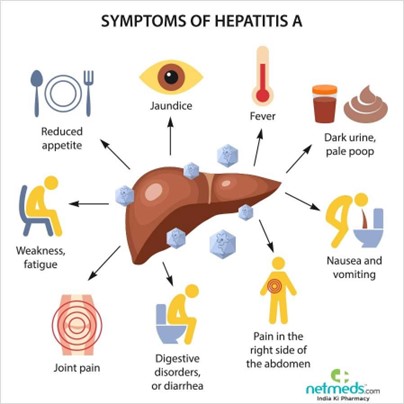
A nurse is collecting data from a client who has hepatitis A. Which of the following findings should the nurse expect?
A. Splenomegaly
Splenomegaly is an enlargement of the spleen and is not a typical symptom of hepatitis A.
B. Abdominal pain
A nurse collecting data from a client who has hepatitis A should expect to find that the client may have abdominal pain. Hepatitis A is a liver infection that can cause inflammation and discomfort in the abdomen.
C. Irregular heart rate
An irregular heart rate is not a typical symptom of hepatitis A
D. Tarry stools
Tarry stoolsmay indicate bleeding in the digestive tract and is not a typical symptom of hepatitis A.
Full Explanation
A nurse collecting data from a client who has hepatitis A should expect to find that the client may have abdominal pain. Hepatitis A is a liver infection that can cause inflammation and discomfort in the abdomen.
The other options are not typical symptoms of hepatitis
a) Splenomegaly is an enlargement of the spleen and is not a typical symptom of hepatitis A.
c) An irregular heart rate is not a typical symptom of hepatitis A.
d) Tarry stools may indicate bleeding in the digestive tract and is not a typical symptom of hepatitis A.
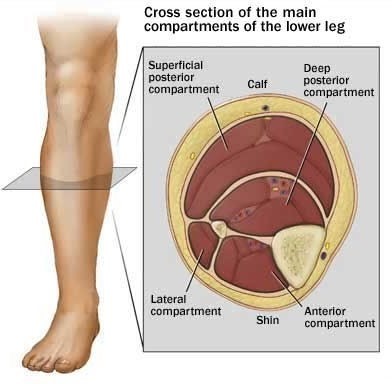
A nurse is collecting data on a client who has swelling of the lower leg. The nurse should identify that which of the following findings is a manifestation of compartment syndrome?
A. Affected extremity warm to touch
A) Affected extremity warm to touch: Warmth in the affected extremity may indicate inflammation or infection but is not specifically indicative of compartment syndrome. In compartment syndrome, the skin might feel tight and shiny, but the key symptoms involve pain, especially disproportionate to the injury.
B. Moderate pain on the ankle of the affected extremity
B) Moderate pain on the ankle of the affected extremity: Pain that is out of proportion to the injury and worsens with passive movement is a hallmark of compartment syndrome. This pain results from increased pressure within the muscle compartments, compromising circulation and nerve function.
C. Blanch time of 2 seconds in the toenail beds of the affected extremity
C) Blanch time of 2 seconds in the toenail beds of the affected extremity: A blanch time of 2 seconds is considered normal and suggests adequate peripheral perfusion. Compartment syndrome typically leads to prolonged capillary refill time due to impaired circulation.
D. Palpation of a +1 dorsal pedal pulse of the affected extremity
D) Palpation of a +1 dorsal pedal pulse of the affected extremity: A diminished pulse can occur in compartment syndrome, but the presence of a palpable pulse does not rule it out. The key issue is compromised tissue perfusion, which can occur even if pulses are present initially.
Full Explanation
A nurse collecting data on a client who has swelling of the lower leg should identify that moderate pain on the ankle of the affected extremity is a manifestation of compartment syndrome. Compartment syndrome is a painful condition that occurs when pressure within a muscle compartment increases to dangerous levels.
The other options are not typical symptoms of compartment syndrome.
a) An affected extremity being warm to touch is not a typical symptom of compartment syndrome.
c) A blanch time of 2 seconds in the toenail beds of the affected extremity is not a typical symptom of compartment syndrome.
d) Palpation of a +1 dorsal pedal pulse of the affected extremity is not a typical symptom of
compartment syndrome.
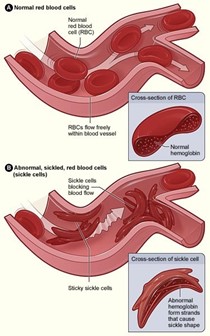
A nurse is contributing to the plan of care for a school-age child who has sickle-cell disease and is experiencing a vaso-occlusive crisis. Which of the following should the nurse recommend to include in the plan of care?
A. Limit fluid intake during the evening
Limit fluid intake during the evening: Fluid intake is important in sickle-cell disease to prevent dehydration and maintain adequate blood flow. Restricting fluid intake during a vaso-occlusive crisis can further contribute to dehydration and may worsen the crisis. It is important to encourage fluid intake unless otherwise instructed by the healthcare provider.
B. Perform passive range-of-motion exercises.
During a vaso-occlusive crisis in sickle-cell disease, blood flow to certain areas of the body may be restricted, leading to pain and tissue damage. Passive range-of-motion exercises can help promote blood circulation and prevent joint stiffness and further complications. These exercises involve gently moving the child's joints through their full range of motion without active participation from the child.
C. Apply cold compresses to painful areas.
Apply cold compresses to painful areas: Cold compresses are not recommended during a vaso-occlusive crisis in sickle-cell disease. Cold temperatures can cause vasoconstriction and further worsen the blood flow to affected areas, leading to increased pain and tissue damage. Warm compresses or warm packs may be used to promote vasodilation and provide pain relief.
D. Provide a low-protein diet
Provide a low-protein diet: A low-protein diet is not specifically indicated in the plan of care for a vaso- occlusive crisis in sickle-cell disease. Adequate protein intake is important for overall nutritional needs and tissue repair. The focus of nutritional management in sickle-cell disease is usually on a well-balanced diet that includes adequate hydration and appropriate nutrient intake.
Full Explanation
b. Perform passive range-of-motion exercises.
During a vaso-occlusive crisis in sickle-cell disease, blood flow to certain areas of the body may be restricted, leading to pain and tissue damage. Passive range-of-motion exercises can help promote blood circulation and prevent joint stiffness and further complications. These exercises involve gently moving the child's joints through their full range of motion without active participation from the child.
Explanation for the other options:
a. Limit fluid intake during the evening: Fluid intake is important in sickle-cell disease to prevent dehydration and maintain adequate blood flow. Restricting fluid intake during a vaso-occlusive crisis can further contribute to dehydration and may worsen the crisis. It is important to encourage fluid intake unless otherwise instructed by the healthcare provider.
c. Apply cold compresses to painful areas: Cold compresses are not recommended during a vaso-occlusive crisis in sickle-cell disease. Cold temperatures can cause vasoconstriction and further worsen the blood flow to affected areas, leading to increased pain and tissue damage. Warm compresses or warm packs may be used to promote vasodilation and provide pain relief.
d. Provide a low-protein diet: A low-protein diet is not specifically indicated in the plan of care for a vaso- occlusive crisis in sickle-cell disease. Adequate protein intake is important for overall nutritional needs and tissue repair. The focus of nutritional management in sickle-cell disease is usually on a well-balanced diet that includes adequate hydration and appropriate nutrient intake.
In summary, performing passive range-of-motion exercises is an appropriate intervention to include in the
plan of care for a school-age child experiencing a vaso-occlusive crisis in sickle-cell disease.