
Nursing practice questions with comprehensive rationales
NurseDive Free Nursing Practice Question
A nurse is giving a presentation to a community group about preventing atherosclerosis. Which of the following should the nurse include as modifiable risk factors for this disorder? (Select all that apply.)
A. Hypertension
Hypertension is a modifiable risk factor for atherosclerosis. Managing blood pressure through lifestyle changes and medication can reduce the risk of developing atherosclerosis.
B. Hypercholesterolemia
Hypercholesterolemia, or high cholesterol, is another modifiable risk factor. Dietary adjustments, physical activity, and medications can help manage cholesterol levels.
C. Genetic predisposition
Genetic predisposition is not a modifiable risk factor. It is an inherent risk that cannot be changed, but awareness can prompt early monitoring and intervention.
D. Obesity
Obesity is a modifiable risk factor for atherosclerosis. Weight loss through diet and exercise can significantly reduce the risk.
E. Smoking
Smoking is a significant modifiable risk factor for atherosclerosis. Quitting smoking can greatly reduce the risk of developing this condition.
This question is an excerpt from Nurse Dive's nursing test bank - Ati Med Surg Proctored Exam Midterm Rn 36 1125. Take the full exam now
Full Explanation
Choice A rationale
Hypertension is a modifiable risk factor for atherosclerosis. Managing blood pressure through lifestyle changes and medication can reduce the risk of developing atherosclerosis.
Choice B rationale
Hypercholesterolemia, or high cholesterol, is another modifiable risk factor. Dietary adjustments, physical activity, and medications can help manage cholesterol levels.
Choice C rationale
Genetic predisposition is not a modifiable risk factor. It is an inherent risk that cannot be changed, but awareness can prompt early monitoring and intervention.
Choice D rationale
Obesity is a modifiable risk factor for atherosclerosis. Weight loss through diet and exercise can significantly reduce the risk.
Choice E rationale
Smoking is a significant modifiable risk factor for atherosclerosis. Quitting smoking can greatly reduce the risk of developing this condition.
Similar Questions
A nurse is giving a presentation about preventing deep vein thrombosis (DVT). Which of the following should the nurse include as risk factors for this disorder? (Select all that apply.)
A. Immobility
Immobility is a significant risk factor for DVT as it can lead to stagnation of blood in the veins, increasing the risk of clot formation.
B. High calcium intake
High calcium intake is not typically associated with an increased risk of DVT. Instead, factors like immobility, certain medications, and medical conditions are more influential.
C. Oral contraceptive use
Oral contraceptive use, especially those containing estrogen, can increase the risk of DVT due to their effect on blood clotting mechanisms.
D. BMI of 20
A BMI of 20 is considered within the normal range and is not a risk factor for DVT. Obesity, which is a BMI of 30 or higher, would be a risk factor.
E. Hypertension
Hypertension itself is not a direct risk factor for DVT. However, it can be associated with other health conditions that may increase the risk of thrombosis.
Full Explanation
Choice A rationale
Immobility is a significant risk factor for DVT as it can lead to stagnation of blood in the veins, increasing the risk of clot formation.
Choice B rationale
High calcium intake is not typically associated with an increased risk of DVT. Instead, factors like immobility, certain medications, and medical conditions are more influential.
Choice C rationale
Oral contraceptive use, especially those containing estrogen, can increase the risk of DVT due to their effect on blood clotting mechanisms.
Choice D rationale
A BMI of 20 is considered within the normal range and is not a risk factor for DVT. Obesity, which is a BMI of 30 or higher, would be a risk factor.
Choice E rationale
Hypertension itself is not a direct risk factor for DVT. However, it can be associated with other health conditions that may increase the risk of thrombosis.
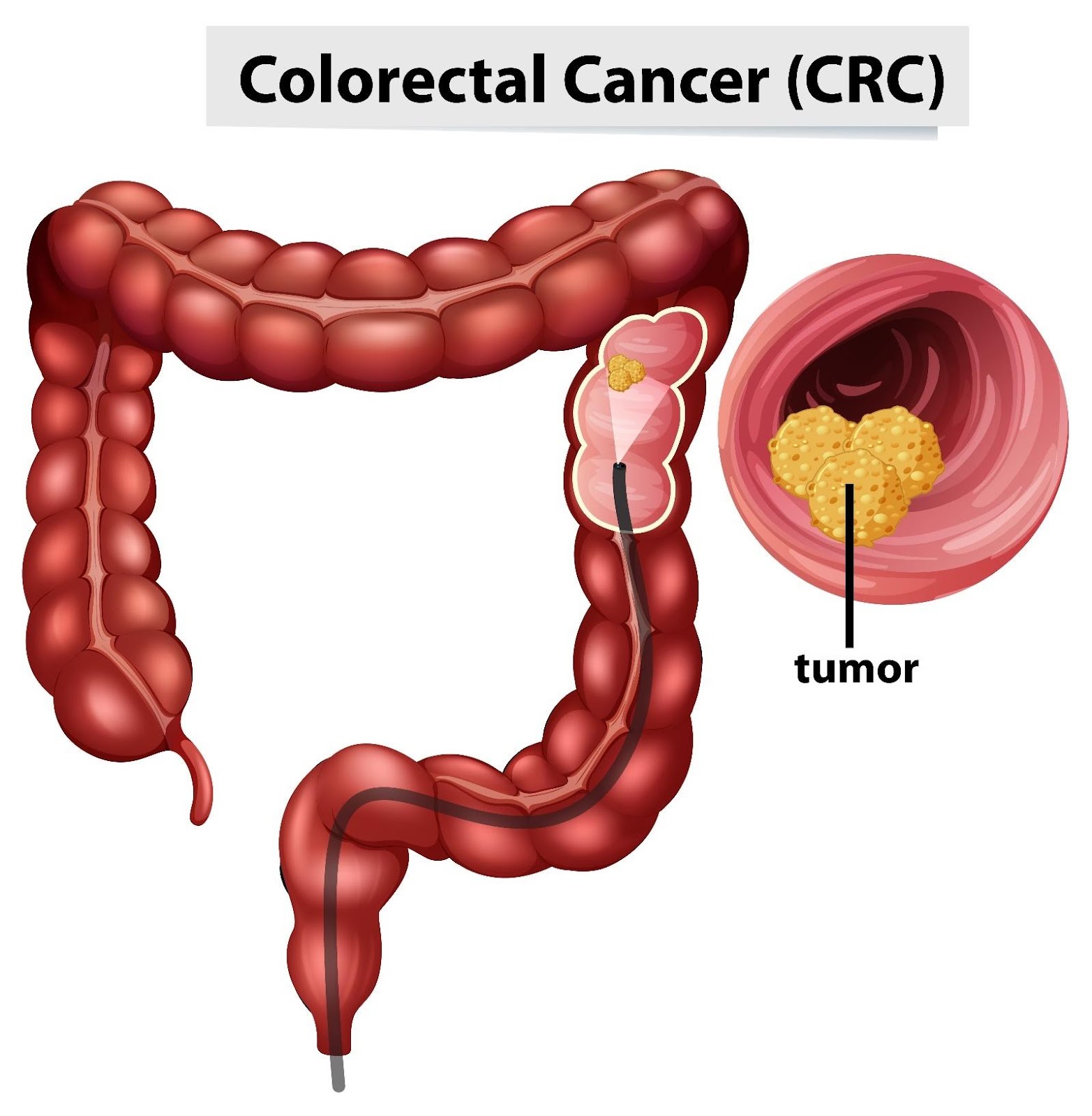
A nurse is educating the public at a health fair about colorectal cancer. Which of the following risk factors increase the risk of developing colorectal cancer? (Select all that apply.)
A. Smoking
Smoking is a well-established risk factor for colorectal cancer. The carcinogens in tobacco smoke can lead to the formation of cancerous cells in the colon and rectum.
B. Obesity
Obesity increases the risk of colorectal cancer, possibly due to chronic low-level inflammation associated with excess body fat, which can contribute to cancer development.
C. Limiting alcohol intake to less than four drinks per week
Limiting alcohol intake to less than four drinks per week is actually a protective measure against colorectal cancer, not a risk factor.
D. More than seven servings of red meat per week
A high intake of red meat, particularly more than seven servings per week, has been linked to an increased risk of colorectal cancer due to compounds formed during digestion that can damage the lining of the colon and rectum.
E. A diet high in fruits, vegetables, and grains
A diet high in fruits, vegetables, and grains is generally considered protective against colorectal cancer due to the fiber and nutrients they provide, not a risk factor.
Full Explanation
Choice A rationale
Smoking is a well-established risk factor for colorectal cancer. The carcinogens in tobacco smoke can lead to the formation of cancerous cells in the colon and rectum.
Choice B rationale
Obesity increases the risk of colorectal cancer, possibly due to chronic low-level inflammation associated with excess body fat, which can contribute to cancer development.
Choice C rationale
Limiting alcohol intake to less than four drinks per week is actually a protective measure against colorectal cancer, not a risk factor.
Choice D rationale
A high intake of red meat, particularly more than seven servings per week, has been linked to an increased risk of colorectal cancer due to compounds formed during digestion that can damage the lining of the colon and rectum.
Choice E rationale
A diet high in fruits, vegetables, and grains is generally considered protective against colorectal cancer due to the fiber and nutrients they provide, not a risk factor.
Which interventions would the nurse expect in the treatment plan for a patient who is admitted to the hospital with ascites? (Select all that apply.)
A. Monitor fluid and electrolytes.
Monitoring fluid and electrolytes is essential in managing ascites to prevent complications such as fluid overload or electrolyte imbalances, which can exacerbate the condition.
B. Provide a high-sodium diet.
Providing a high-sodium diet is not recommended for patients with ascites. Sodium restriction is typically advised to help manage fluid retention.
C. Anticipate paracentesis.
Anticipating paracentesis is appropriate as it is a procedure used to remove excess fluid from the abdominal cavity, providing relief from discomfort and respiratory difficulty.
D. Encourage high-fluid intake.
Encouraging high-fluid intake is not recommended for ascites management. Fluid restriction may be necessary to prevent further accumulation of fluid in the abdominal cavity.
E. Administer an albumin infusion.
Administering an albumin infusion can be part of the treatment for ascites, especially following paracentesis, to help maintain blood volume and pressure.
Full Explanation
Choice A rationale
Monitoring fluid and electrolytes is essential in managing ascites to prevent complications such as fluid overload or electrolyte imbalances, which can exacerbate the condition.
Choice B rationale
Providing a high-sodium diet is not recommended for patients with ascites. Sodium restriction is typically advised to help manage fluid retention.
Choice C rationale
Anticipating paracentesis is appropriate as it is a procedure used to remove excess fluid from the abdominal cavity, providing relief from discomfort and respiratory difficulty.
Choice D rationale
Encouraging high-fluid intake is not recommended for ascites management. Fluid restriction may be necessary to prevent further accumulation of fluid in the abdominal cavity.
Choice E rationale
Administering an albumin infusion can be part of the treatment for ascites, especially following paracentesis, to help maintain blood volume and pressure.