
Nursing practice questions with comprehensive rationales
NurseDive Free Nursing Practice Question
A nurse is monitoring a client who has bipolar disorder and is exhibiting manifestations of mania.
Which of the following findings should the nurse expect? (Select all that apply.).
A. Anhedonia.
Choice A is wrong because anhedonia, which means loss of interest or pleasure in activities, is a symptom of depression, not mania.
B. Distractibility.
None
C. Grandiose thinking.
None
D. Overeating.
Choice D is wrong because overeating is not a specific symptom of mania, although some people with bipolar disorder may have changes in appetite or weight during mood episodes.
E. Flight of ideas.
None
This question is an excerpt from Nurse Dive's nursing test bank - ATI PN Capstone Proctored Comprehensive Assessment 2020 B. Take the full exam now
Full Explanation
Correct Answers: Distractibility. Grandiose thinking. Flight of ideas.
These are the common symptoms of mania in bipolar disorder.
Some possible explanations for the other choices are:
- Choice A is wrong because anhedonia, which means loss of interest or pleasure in activities, is a symptom of depression, not mania.
- Choice D is wrong because overeating is not a specific symptom of mania, although some people with bipolar disorder may have changes in appetite or weight during mood episodes.
Similar Questions
A nurse is collecting data from a client who has osteoarthritis and reports pain and limited mobility in both knees.
Which of the following recommendations should the nurse make?
A. Use a recliner when sitting for long periods.
Choice A is wrong because using a recliner when sitting for long periods can increase pressure on the knees and decrease circulation. A better option is to use a straight-backed chair with a footstool.
B. Apply moist heat to the knees.
Moist heat can help reduce pain and stiffness in the joints by increasing blood flow and relaxing the muscles. Moist heat can be applied using warm compresses, heating pads, or warm baths.
C. Sleep on a soft mattress.
Choice C is wrong because sleeping on a soft mattress can cause poor alignment of the spine and joints, which can worsen pain and mobility. A firm mattress is recommended for clients with osteoarthritis.
D. Place large pillows under the knees when lying in bed.
Choice D is wrong because placing large pillows under the knees when lying in bed can limit the range of motion of the knees and cause contractures. A small pillow under the knees can provide some support and comfort, but it should not be too large or too high.
E. Place large pillows under the knees when lying in bed.
Full Explanation
Moist heat can help reduce pain and stiffness in the joints by increasing blood flow and relaxing the muscles. Moist heat can be applied using warm compresses, heating pads, or warm baths.
Choice A is wrong because using a recliner when sitting for long periods can increase pressure on the knees and decrease circulation. A better option is to use a straight-backed chair with a footstool.
Choice C is wrong because sleeping on a soft mattress can cause poor alignment of the spine and joints, which can worsen pain and mobility. A firm mattress is recommended for clients with osteoarthritis.
Choice D is wrong because placing large pillows under the knees when lying in bed can limit the range of motion of the knees and cause contractures. A small pillow under the knees can provide some support and comfort, but it should not be too large or too high.
A nurse is caring for a client who is pregnant and Rh-negative. The nurse should plan to monitor which of the following maternal laboratory test results to determine maternal-fetal blood incompatibility?
A. Homocysteine.
Choice A is wrong because homocysteine is a type of amino acid and is not related to blood compatibility.
B. Indirect Coombs.
The indirect Coombs test is used to detect antibodies against foreign red blood cells in the maternal serum. This test can help identify maternal-fetal blood incompatibility, which can cause hemolytic disease of the newborn.
C. Erythropoietin.
Choice C is incorrect because erythropoietin is a hormone that regulates red blood cell production and is not a specific test for detecting maternal-fetal blood incompatibility.
D. aPTT.
Choice D is not the correct answer as aPTT (activated partial thromboplastin time) is a test used to evaluate blood clotting factors and is not directly related to monitoring maternal-fetal blood incompatibility.
Full Explanation
The indirect Coombs test is used to detect antibodies against foreign red blood cells in the maternal serum. This test can help identify maternal-fetal blood incompatibility, which can cause hemolytic disease of the newborn.
Choice A is wrong because homocysteine is a type of amino acid and is not related to blood compatibility.
Choice C is incorrect because erythropoietin is a hormone that regulates red blood cell production and is not a specific test for detecting maternal-fetal blood incompatibility.
Choice D is not the correct answer as aPTT (activated partial thromboplastin time) is a test used to evaluate blood clotting factors and is not directly related to monitoring maternal-fetal blood incompatibility.
A nurse is caring for a client who is at 6 weeks of gestation.
Which of the following laboratory findings should the nurse report to the provider?
A. WBC 7,000/mm³.
Choice A is wrong because WBC 7,000/mm³ is within the normal range for pregnant women, which is 4,500 to 10,000 cells/mcL . A low WBC count would indicate an increased risk of infection, while a high WBC count would indicate inflammation or infection.
B. Hemoglobin 13 g/dL.
Choice B is wrong because hemoglobin 13 g/dL is within the normal range for pregnant women, which is 11 to 14 g/dL . A low hemoglobin level would indicate anemia, while a high hemoglobin level would indicate dehydration or polycythemia.
C. Blood glucose 130 mg/dL.
This is because the normal range of blood glucose for pregnant women is 70- 110 mg/dL . A blood glucose level of 130 mg/dL indicates gestational diabetes, which can have adverse effects on the mother and the fetus.
D. RBC 5.8 million/mm³.
Choice D is wrong because RBC 5.8 million/mm³ is within the normal range for pregnant women, which is 4.2 to 5.9 million/mm³ . A low RBC count would indicate anemia or hemorrhage, while a high RBC count would indicate dehydration or polycythemia.
Full Explanation
Blood glucose 130 mg/dL.
This is because the normal range of blood glucose for pregnant women is 70 - 110 mg/dL .
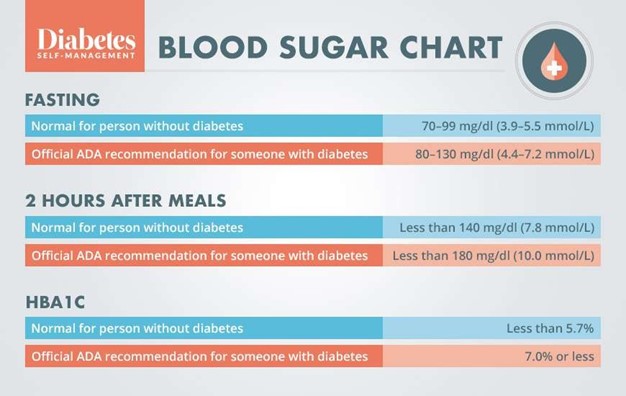
A blood glucose level of 130 mg/dL indicates gestational diabetes, which can have adverse effects on the mother and the fetus.
The nurse should report this finding to the provider and initiate interventions such as dietary counseling, glucose monitoring, and insulin therapy if needed.
Choice A is wrong because WBC 7,000/mm³ is within the normal range for pregnant women, which is 4,500 to 10,000 cells/mcL .
A low WBC count would indicate an increased risk of infection, while a high WBC count would indicate inflammation or infection.
Choice B is wrong because hemoglobin 13 g/dL is within the normal range for pregnant women, which is 11 to 14 g/dL .
A low hemoglobin level would indicate anemia, while a high hemoglobin level would indicate dehydration or polycythemia.
Choice D is wrong because RBC 5.8 million/mm³ is within the normal range for pregnant women, which is 4.2 to 5.9 million/mm³ .
A low RBC count would indicate anemia or hemorrhage, while a high RBC count would indicate dehydration or polycythemia.