
Nursing practice questions with comprehensive rationales
NurseDive Free Nursing Practice Question
A nurse is performing an initial assessment of a newborn who was delivered vaginally at term with no complications.
Which of the following findings should alert the nurse to a potential problem?
A. Molding of the head
Molding of the head is a normal finding in a newborn who was delivered vaginally. It is caused by the pressure of the birth canal on the skull bones and usually resolves within a few days
B. Acrocyanosis of hands and feet
Acrocyanosis of hands and feet is a normal finding in a newborn during the first 24 hours of life. It is caused by poor peripheral circulation and does not indicate hypoxia or cyanosis.
C. Nasal flaring and grunting
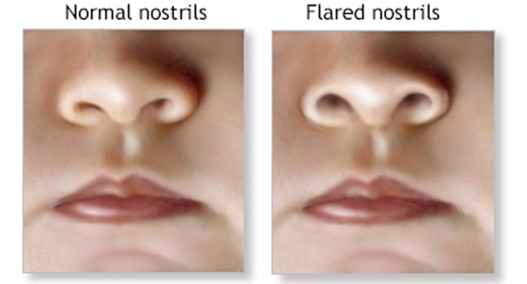
Nasal flaring and grunting are signs of respiratory distress in a newborn and should alert the nurse to a potential problem. The nurse should monitor the newborn’s respiratory rate, oxygen saturation, and chest movements, and notify the provider if the symptoms persist or worsen.
D. Vernix caseosa on skin folds
Vernix caseosa on skin folds is a normal finding in a newborn. It is a white, cheesy substance that protects the skin from amniotic fluid and helps with thermoregulation. It usually disappears within a few days.
This question is an excerpt from Nurse Dive's nursing test bank - More questions on this topic. Take the full exam now
Full Explanation
The correct answer is choice C. Nasal flaring and grunting are signs of respiratory distress in a newborn and should alert the nurse to a potential problem.
The nurse should monitor the newborn’s respiratory rate, oxygen saturation, and chest movements, and notify the provider if the symptoms persist or worsen.
Choice A is wrong because molding of the head is a normal finding in a newborn who was delivered vaginally.
It is caused by the pressure of the birth canal on the skull bones and usually resolves within a few days.
Choice B is wrong because acrocyanosis of hands and feet is a normal finding in a newborn during the first 24 hours of life.
It is caused by poor peripheral circulation and does not indicate hypoxia or cyanosis.
Choice D is wrong because vernix caseosa on skin folds is a normal finding in a newborn.
It is a white, cheesy substance that protects the skin from amniotic fluid and helps with thermoregulation.
It usually disappears within a few days.
Similar Questions
A nurse is caring for a newborn who has received erythromycin eye ointment as prophylaxis for ophthalmia neonatorum.
What should the nurse monitor for as a potential adverse reaction to this medication?
A. Hypersensitivity
Erythromycin eye ointment is an antibiotic that can cause allergic reactions in some newborns, such as irritation, redness, swelling, or cloudy eyes. This is a potential adverse reaction to this medication that the nurse should monitor for.
B. Glaucoma
Glaucoma is a condition that causes increased pressure in the eye and can damage the optic nerve. It is not caused by erythromycin eye ointment.
C. Cataracts
Cataracts are a condition that causes clouding of the lens of the eye and can impair vision. It is not caused by erythromycin eye ointment.
D. Strabismus
Strabismus is a condition that causes misalignment of the eyes and can affect depth perception. It is not caused by erythromycin eye ointment. Erythromycin eye ointment is used to prevent ophthalmia neonatorum, which is an infection of the eye surface that affects newborns within the first month of life.It can be caused by bacteria such as chlamydia or gonorrhea that can enter the baby’s eyes during childbirth and cause permanent damage to the corneas.Erythromycin eye ointment can help prevent vision loss caused by these bacteria.
Full Explanation
The correct answer is choice A. Hypersensitivity. Erythromycin eye ointment is an antibiotic that can cause allergic reactions in some newborns, such as irritation, redness, swelling, or cloudy eyes.
This is a potential adverse reaction to this medication that the nurse should monitor for.
Choice B. Glaucoma is wrong because glaucoma is a condition that causes increased pressure in the eye and can damage the optic nerve.
It is not caused by erythromycin eye ointment.
Choice C. Cataracts is wrong because cataracts are a condition that causes clouding of the lens of the eye and can impair vision.
It is not caused by erythromycin eye ointment.
Choice D. Strabismus is wrong because strabismus is a condition that causes misalignment of the eyes and can affect depth perception.
It is not caused by erythromycin eye ointment.
Erythromycin eye ointment is used to prevent ophthalmia neonatorum, which is an infection of the eye surface that affects newborns within the first month of life. It can be caused by bacteria such as chlamydia or gonorrhea that can enter the baby’s eyes during childbirth and cause permanent damage to the corneas. Erythromycin eye ointment can help prevent vision loss caused by these bacteria.
A nurse is administering erythromycin eye ointment to a newborn who has a history of allergic reaction to penicillin.
What should the nurse do before applying the ointment?
A. Ask the mother if she has any allergies to antibiotics
Asking the mother if she has any allergies to antibiotics is not enough to determine if the newborn is at risk of an allergic reaction to erythromycin. The newborn may have inherited or developed an allergy to penicillin or erythromycin that the mother does not have.
B. Check if there is any cross-sensitivity between erythromycin and penicillin
Erythromycin is a macrolide antibiotic that can be used to treat bacterial eye infections in newborns and adults. Penicillin is a beta-lactam antibiotic that can cause allergic reactions in some people. Cross-sensitivity means that a person who is allergic to one type of antibiotic may also be allergic to another type of antibiotic that has a similar structure or mechanism of action.Erythromycin and penicillin have different structures and mechanisms of action, but there is still a small chance of cross-sensitivity between them. Therefore, the nurse should check if the newborn has any history of allergic reaction to penicillin before applying the erythromycin eye ointment.
C. Apply a small amount of ointment on the skin to test for allergic reaction
Applying a small amount of ointment on the skin to test for allergic reaction is not a reliable method to diagnose an allergy.Skin testing can cause false positive or false negative results, and it may also trigger a severe allergic reaction in some cases.
D. Administer an antihistamine to prevent anaphylaxis
Administering an antihistamine to prevent anaphylaxis is not appropriate for a newborn who has not been exposed to the allergen yet. An antihistamine is a medication that blocks the effects of histamine, a chemical that causes allergic symptoms. Anaphylaxis is a life-threatening allergic reaction that involves multiple organ systems and requires immediate medical attention.An antihistamine cannot prevent anaphylaxis, and it may also cause side effects such as drowsiness, dry mouth, or low blood pressure in a newborn.
Full Explanation
The correct answer is choice B. Check if there is any cross-sensitivity between erythromycin and penicillin. Erythromycin is a macrolide antibiotic that can be used to treat bacterial eye infections in newborns and adults.
Penicillin is a beta-lactam antibiotic that can cause allergic reactions in some people.
Cross-sensitivity means that a person who is allergic to one type of antibiotic may also be allergic to another type of antibiotic that has a similar structure or mechanism of action. Erythromycin and penicillin have different structures and mechanisms of action, but there is still a small chance of cross-sensitivity between them.
Therefore, the nurse should check if the newborn has any history of allergic reaction to penicillin before applying the erythromycin eye ointment.
Choice A is wrong because asking the mother if she has any allergies to antibiotics is not enough to determine if the newborn is at risk of an allergic reaction to erythromycin.
The newborn may have inherited or developed an allergy to penicillin or erythromycin that the mother does not have.
Choice C is wrong because applying a small amount of ointment on the skin to test for allergic reaction is not a reliable method to diagnose an allergy. Skin testing can cause false positive or false negative results, and it may also trigger a severe allergic reaction in some cases.
Choice D is wrong because administering an antihistamine to prevent anaphylaxis is not appropriate for a newborn who has not been exposed to the allergen yet.
An antihistamine is a medication that blocks the effects of histamine, a chemical that causes allergic symptoms.
Anaphylaxis is a life-threatening allergic reaction that involves multiple organ systems and requires immediate medical attention. An antihistamine cannot prevent anaphylaxis, and it may also cause side effects such as drowsiness, dry mouth, or low blood pressure in a newborn.
A nurse is reviewing laboratory results for a newborn who received vitamin K injection at birth.
Which of the following coagulation factors should be activated by vitamin K?
A. Factor II
Factor II, also known as prothrombin, is one of the coagulation factors that are activated by vitamin K.Vitamin K is a cofactor for the carboxylation of specific glutamic acid groups in coagulation factors II, VII, IX, and X. This process is essential for the activation of these factors in the coagulation cascade.
B. Factor V
Factor V is not a vitamin K-dependent coagulation factor.
C. Factor VIII
Factor VIII is not a vitamin K-dependent coagulation factor. Factor VIII is activated by thrombin and acts as a cofactor for factor IXa in the activation of factor X.
D. Factor XI
Factor XI is not a vitamin K-dependent coagulation factor. Factor XI is activated by factor XIIa and activates factor IX in the intrinsic pathway of coagulation.
Full Explanation
The correct answer is choice A. Factor II, also known as prothrombin, is one of the coagulation factors that are activated by vitamin K. Vitamin K is a cofactor for the carboxylation of specific glutamic acid groups in coagulation factors II, VII, IX, and X.
This process is essential for the activation of these factors in the coagulation cascade.
Choice B is wrong because factor V is not a vitamin K-dependent coagulation factor.
Factor V is activated by thrombin and acts as a cofactor for factor Xa in the conversion of prothrombin to thrombin.
Choice C is wrong because factor VIII is not a vitamin K-dependent coagulation factor.
Factor VIII is activated by thrombin and acts as a cofactor for factor IXa in the activation of factor X.
Choice D is wrong because factor XI is not a vitamin K-dependent coagulation factor.
Factor XI is activated by factor XIIa and activates factor IX in the intrinsic pathway of coagulation.
Normal ranges for coagulation factors are:
• Factor II: 70-120% of normal activity
• Factor V: 50-150% of normal activity
• Factor VIII: 50-150% of normal activity
• Factor IX: 50-150% of normal activity
• Factor X: 70-140% of normal activity
• Factor XI: 70-150% of normal activity