
Nursing practice questions with comprehensive rationales
NurseDive Free Nursing Practice Question
A nurse is planning an educational program about various herbal supplements for middle- aged women related to menopause. Which of the following supplements should the nurse plan to include and discuss?
A. Comfrey
Comfrey is not commonly recommended as an herbal supplement for menopausal symptoms. It has been associated with potential liver toxicity.
B. Gingko biloba
Ginkgo biloba is often used to improve cognitive function and circulation but is not typically used to address menopausal symptoms.
C. Black cohosh
Black cohosh is an herbal supplement that is commonly used by middle-aged women to help alleviate symptoms related to menopause, such as hot flashes and mood swings. Black cohosh may also have some benefits for bone health and cardiovascular health. However, black cohosh may also have some side effects and interactions with other medications, so the nurse should advise the women to consult their health care providers before taking it.
D. Garlic
Garlic is not typically used as an herbal supplement to manage menopausal symptoms; it is more commonly known for its potential cardiovascular benefits.
This question is an excerpt from Nurse Dive's nursing test bank - RN ati Concept-based assessment level proctored exam. Take the full exam now
Full Explanation
Choice A rationale:
Comfrey is not commonly recommended as an herbal supplement for menopausal symptoms. It has been associated with potential liver toxicity.
Choice B rationale:
Ginkgo biloba is often used to improve cognitive function and circulation but is not typically used to address menopausal symptoms.
Choice C rationale:
Black cohosh is an herbal supplement that is commonly used by middle-aged women to help alleviate symptoms related to menopause, such as hot flashes and mood swings. Black cohosh may also have some benefits for bone health and cardiovascular health. However, black cohosh may also have some side effects and interactions with other medications, so the nurse should advise the women to consult their health care providers before taking it.
Choice D rationale:
Garlic is not typically used as an herbal supplement to manage menopausal symptoms; it is more commonly known for its potential cardiovascular benefits.
Similar Questions
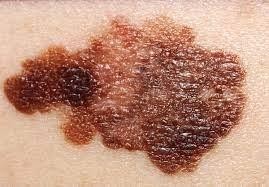
A nurse is providing teaching to a client who has melanoma. Which of the following information should the nurse include?
A. Radiation therapy is the primary method of treatment for melanoma.
Radiation therapy is not typically the primary method of treatment for melanoma. Surgical excision and other therapies are often utilized.
B. Metastasis occurs in the deeper levels of skin tissue before it extends outward.
Metastasis in melanoma generally occurs from the outer layers of the skin to deeper levels and eventually to other parts of the body.
C. There are no specific genetic mutations that cause melanoma.
Specific genetic mutations, such as mutations in the BRAF gene, are associated with an increased risk of developing melanoma.
D. Melanoma is highly metastatic and requires early diagnosis and treatment.
Melanoma is a highly metastatic form of skin cancer that can spread quickly to other parts of the body. Early diagnosis and treatment are crucial to improve outcomes.
Full Explanation
Choice A rationale:
Radiation therapy is not typically the primary method of treatment for melanoma. Surgical excision and other therapies are often utilized.
Choice B rationale:
Metastasis in melanoma generally occurs from the outer layers of the skin to deeper levels and eventually to other parts of the body.
Choice C rationale:
Specific genetic mutations, such as mutations in the BRAF gene, are associated with an increased risk of developing melanoma.
Choice D rationale: Melanoma is a highly metastatic form of skin cancer that can spread quickly to other parts of the body. Early diagnosis and treatment are crucial to improve outcomes.
A nurse is providing teaching for a client who has depression and a new prescription for amitriptyline. Which of the following client statements indicates an understanding of the teaching?
A. "This medication might cause me to have a dry mouth."
Dry mouth is a common side effect of amitriptyline, which is a tricyclic antidepressant. Informing the client of potential side effects is important for their understanding and management of medication-related symptoms.
B. "This medication might cause my blood pressure to increase."
Amitriptyline is not known to cause an increase in blood pressure. In fact, it can have a hypotensive effect.
C. "This medication might cause me to lose weight.
Weight loss is not a typical side effect of amitriptyline. It can often lead to weight gain.
D. "This medication might cause me to urinate more often."
Amitriptyline can cause urinary retention rather than increased urination.
Full Explanation
Choice A rationale:
Dry mouth is a common side effect of amitriptyline, which is a tricyclic antidepressant. Informing the client of potential side effects is important for their understanding and management of medication-related symptoms.
Choice B rationale:
Amitriptyline is not known to cause an increase in blood pressure. In fact, it can have a hypotensive effect.
Choice C rationale:
Weight loss is not a typical side effect of amitriptyline. It can often lead to weight gain.
Choice D rationale:
Amitriptyline can cause urinary retention rather than increased urination.
A nurse is planning care for a client who is in the manic phase of bipolar disorder. Which of the following interventions should the nurse include?
A. Monitor the client's blood pressure daily.
This is not a priority intervention for a client who is in the manic phase of bipolar disorder. The nurse should monitor the client's vital signs as indicated, but blood pressure is not likely to be affected by mania unless the client has a preexisting condition or is taking medications that affect blood pressure.
B. Allow the client to exercise once per week.
This is not an appropriate intervention for a client who is in the manic phase of bipolar disorder. The nurse should not restrict the client's physical activity, as this can increase their frustration and agitation. The nurse should provide a safe environment for the client to expend their energy and channel it into productive activities.
C. Encourage the client to participate in group activities.
This is not a suitable intervention for a client who is in the manic phase of bipolar disorder. The nurse should avoid stimulating the client's already elevated mood and arousal, as this can worsen their symptoms and increase their risk of injury or aggression. The nurse should limit the client's exposure to noise, crowds, and bright lights, and provide them with opportunities for rest and quiet time.
D. Provide the client with high-calorie finger foods.
A client who is in the manic phase of bipolar disorder has increased energy, activity, and metabolism, which can lead to weight loss and nutritional deficiencies. The nurse should provide the client with high-calorie finger foods that are easy to eat and do not require utensils or sitting down. This way, the nurse can help the client meet their nutritional needs while respecting their need for movement and autonomy.
Full Explanation
Choice A rationale:
This is not a priority intervention for a client who is in the manic phase of bipolar disorder. The nurse should monitor the client's vital signs as indicated, but blood pressure is not likely to be affected by mania unless the client has a preexisting condition or is taking medications that affect blood pressure.
Choice B rationale:
This is not an appropriate intervention for a client who is in the manic phase of bipolar disorder. The nurse should not restrict the client's physical activity, as this can increase their frustration and agitation. The nurse should provide a safe environment for the client to expend their energy and channel it into productive activities.
Choice C rationale:
This is not a suitable intervention for a client who is in the manic phase of bipolar disorder. The nurse should avoid stimulating the client's already elevated mood and arousal, as this can worsen their symptoms and increase their risk of injury or aggression. The nurse should limit the client's exposure to noise, crowds, and bright lights, and provide them with opportunities for rest and quiet time.
Choice D rationale:
A client who is in the manic phase of bipolar disorder has increased energy, activity, and metabolism, which can lead to weight loss and nutritional deficiencies. The nurse should provide the client with high-calorie finger foods that are easy to eat and do not require utensils or sitting down. This way, the nurse can help the client meet their nutritional needs while respecting their need for movement and autonomy.