
Nursing practice questions with comprehensive rationales
NurseDive Free Nursing Practice Question
A nurse is planning care for a client who has a radial fracture and a newly placed short arm cast on the left arm. Which of the following findings is the nurse's priority?
A. The client requires assistance with getting dressed.
While requiring assistance with getting dressed is an important consideration in care planning, it is not the most immediate priority. The nurse should ensure that the client's basic needs are met, but this does not represent an acute medical concern.
B. The client reports numbness of the fingers of the left hand.
The client reporting numbness of the fingers of the left hand is the most urgent priority. Numbness can indicate neurovascular compromise or increased pressure within the cast, which could lead to further injury or complications such as compartment syndrome. Immediate assessment and intervention are required to prevent permanent damage.
C. The client reports itching of the left arm.
Itching of the left arm under the cast is a common complaint and can be uncomfortable for the client. However, it is not a priority over potential neurovascular compromise. The nurse can provide education on how to safely alleviate itching without compromising the integrity of the cast.
D. The client has a pillow under their left arm.
Having a pillow under the left arm is part of proper positioning to reduce swelling and provide comfort. While it is a part of good nursing care, it is not a priority over signs of neurovascular compromise.
This question is an excerpt from Nurse Dive's nursing test bank - Ati Rn Adult Medical Surgical 2023 Proctored Exam. Take the full exam now
Full Explanation
Choice A reason: While requiring assistance with getting dressed is an important consideration in care planning, it is not the most immediate priority. The nurse should ensure that the client's basic needs are met, but this does not represent an acute medical concern.
Choice B reason: The client reporting numbness of the fingers of the left hand is the most urgent priority. Numbness can indicate neurovascular compromise or increased pressure within the cast, which could lead to further injury or complications such as compartment syndrome. Immediate assessment and intervention are required to prevent permanent damage.
Choice C reason: Itching of the left arm under the cast is a common complaint and can be uncomfortable for the client. However, it is not a priority over potential neurovascular compromise. The nurse can provide education on how to safely alleviate itching without compromising the integrity of the cast.
Choice D reason: Having a pillow under the left arm is part of proper positioning to reduce swelling and provide comfort. While it is a part of good nursing care, it is not a priority over signs of neurovascular compromise.
Similar Questions
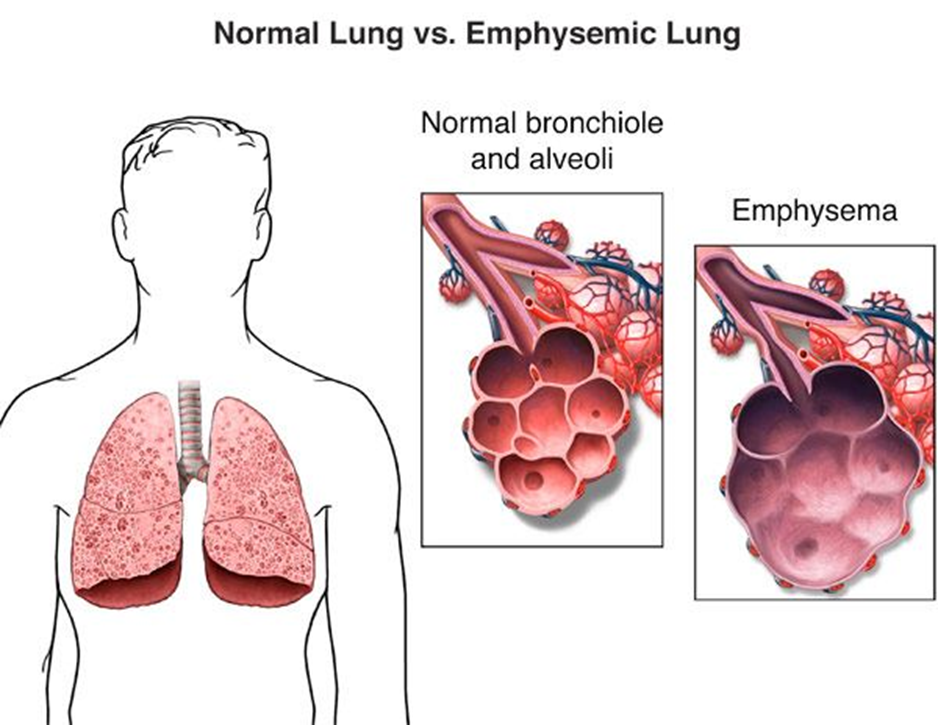
A nurse is caring for a client who has emphysema. Which of the following interventions should the nurse include in the client's plan of care?
A. Administer oxygen at 2 L/min.
Administering oxygen at 2 L/min is appropriate for clients with emphysema who have hypoxemia. Oxygen therapy should be titrated based on the client's oxygen saturation levels to avoid suppressing the respiratory drive.
B. Encourage use of incentive spirometry for 5 minutes every 2 hours.
The use of incentive spirometry is beneficial for clients with emphysema as it encourages deep breathing and helps prevent atelectasis. It is an appropriate intervention to include in the plan of care.
C. Teach the client a breathing exercise with a longer inhalation phase.
Breathing exercises for clients with emphysema typically focus on prolonging the exhalation phase, not the inhalation phase, to improve airway clearance and reduce the work of breathing.
D. Limit fluid intake to 1,000 mL per day.
Limiting fluid intake is not generally recommended for clients with emphysema unless there are specific contraindications. Adequate hydration can help thin secretions and improve mucus clearance.
Full Explanation
Choice A reason: Administering oxygen at 2 L/min is appropriate for clients with emphysema who have hypoxemia. Oxygen therapy should be titrated based on the client's oxygen saturation levels to avoid suppressing the respiratory drive.
Choice B reason: The use of incentive spirometry is beneficial for clients with emphysema as it encourages deep breathing and helps prevent atelectasis. It is an appropriate intervention to include in the plan of care.
Choice C reason: Breathing exercises for clients with emphysema typically focus on prolonging the exhalation phase, not the inhalation phase, to improve airway clearance and reduce the work of breathing.
Choice D reason: Limiting fluid intake is not generally recommended for clients with emphysema unless there are specific contraindications. Adequate hydration can help thin secretions and improve mucus clearance.
A nurse is preparing a client for a magnetic resonance angiography (MRA). The client is allergic to iodinated contrast dye. Which of the following actions should the nurse plan to take?
A. Administer prednisone before the test.
Administering prednisone before the test may be part of a premedication protocol for clients with a history of allergic reactions to contrast media. However, this is typically done for iodinated contrast used in CT scans, not for gadolinium-based contrast agents used in MRA.
B. Consult with the provider to change to a CT scan.
Consulting with the provider to change to a CT scan would not be appropriate if the client is allergic to iodinated contrast dye, as CT scans commonly use iodinated contrast. MRA typically uses gadolinium-based contrast agents, which may be safer for clients with iodine allergies.
C. Assess the alkaline phosphatase level.
Assessing the alkaline phosphatase level is not directly related to preparing a client with a contrast dye allergy for an MRA. Alkaline phosphatase is an enzyme measured in blood tests and is not specific to contrast media allergies.
D. Obtain the client's allergy history to seafood.
Obtaining the client's allergy history to seafood is not necessary for MRA preparation. While there is a common misconception that seafood allergies are related to iodinated contrast allergies, the evidence does not support this association.
Full Explanation
Choice A reason: Administering prednisone before the test may be part of a premedication protocol for clients with a history of allergic reactions to contrast media. However, this is typically done for iodinated contrast used in CT scans, not for gadolinium-based contrast agents used in MRA.
Choice B reason: Consulting with the provider to change to a CT scan would not be appropriate if the client is allergic to iodinated contrast dye, as CT scans commonly use iodinated contrast. MRA typically uses gadolinium-based contrast agents, which may be safer for clients with iodine allergies.
Choice C reason: Assessing the alkaline phosphatase level is not directly related to preparing a client with a contrast dye allergy for an MRA. Alkaline phosphatase is an enzyme measured in blood tests and is not specific to contrast media allergies.
Choice D reason: Obtaining the client's allergy history to seafood is not necessary for MRA preparation. While there is a common misconception that seafood allergies are related to iodinated contrast allergies, the evidence does not support this association.
A nurse is caring for a client who is receiving morphine through a PCA (Patient-Controlled Analgesia) device. Which of the following actions should the nurse take?
A. Encourage family members to press the PCA button for the client.
Encouraging family members to press the PCA button for the client is not recommended. The PCA device is designed to be used by the patient to manage their own pain. Allowing someone other than the patient to administer the medication can lead to over-sedation or respiratory depression. The patient must have control over the PCA device to ensure that they are receiving the medication based on their pain level and not someone else's perception of their pain.
B. Monitor the client's respiratory status every 4 hours.
Monitoring the client's respiratory status every 4 hours is important but may not be sufficient for a patient receiving morphine via a PCA device. According to clinical guidelines, respiratory rate, sedation, and pain scores must be recorded more frequently after the initiation of PCA therapy—typically every 15 minutes for the first hour, then every 30 minutes for the next 2 hours, and hourly until 24 hours post-operation. This is to ensure early detection of any adverse effects such as respiratory depression, which is a risk with opioid administration.
C. Teach the client how to self-medicate using the PCA device.
Teaching the client how to self-medicate using the PCA device is the correct action. Patient education is crucial for the effective use of PCA. The patient should be instructed on how to use the device, including when to press the button and the importance of only the patient controlling the button. This empowers the patient to manage their pain effectively and safely, ensuring that they receive the medication when needed and reducing the risk of over-sedation or under-medication.
D. Administer an oral opioid for breakthrough pain.
Administering an oral opioid for breakthrough pain may be necessary if the PCA does not adequately control the patient's pain. However, this should be done cautiously and typically under the guidance of a pain management team or physician. Breakthrough pain medication is usually reserved for instances where the PCA is not providing sufficient pain relief, and the patient's pain is assessed to be higher than what can be managed by the PCA alone.
Full Explanation
Choice A reason: Encouraging family members to press the PCA button for the client is not recommended. The PCA device is designed to be used by the patient to manage their own pain. Allowing someone other than the patient to administer the medication can lead to over-sedation or respiratory depression. The patient must have control over the PCA device to ensure that they are receiving the medication based on their pain level and not someone else's perception of their pain.
Choice B reason: Monitoring the client's respiratory status every 4 hours is important but may not be sufficient for a patient receiving morphine via a PCA device. According to clinical guidelines, respiratory rate, sedation, and pain scores must be recorded more frequently after the initiation of PCA therapy—typically every 15 minutes for the first hour, then every 30 minutes for the next 2 hours, and hourly until 24 hours post-operation. This is to ensure early detection of any adverse effects such as respiratory depression, which is a risk with opioid administration.
Choice C reason: Teaching the client how to self-medicate using the PCA device is the correct action. Patient education is crucial for the effective use of PCA. The patient should be instructed on how to use the device, including when to press the button and the importance of only the patient controlling the button. This empowers the patient to manage their pain effectively and safely, ensuring that they receive the medication when needed and reducing the risk of over-sedation or under-medication.
Choice D reason: Administering an oral opioid for breakthrough pain may be necessary if the PCA does not adequately control the patient's pain. However, this should be done cautiously and typically under the guidance of a pain management team or physician. Breakthrough pain medication is usually reserved for instances where the PCA is not providing sufficient pain relief, and the patient's pain is assessed to be higher than what can be managed by the PCA alone.