
Nursing practice questions with comprehensive rationales
NurseDive Free Nursing Practice Question
A nurse is planning care for a client who has atrial fibrillation and reports heart palpitations, lightheadedness, and shortness of breath. Which of the following procedures should the nurse anticipate for this client?
A. Pericardiocentesis
Pericardiocentesis is a procedure used to remove fluid from the pericardial sac and is not typically used to treat atrial fibrillation. It is more commonly indicated for conditions such as pericardial effusion or cardiac tamponade.
B. Septal myectomy
Septal myectomy is a surgical intervention to remove part of the thickened septal wall that separates the ventricles of the heart. It is primarily used to treat hypertrophic cardiomyopathy, not atrial fibrillation.
C. Pericardial window
A pericardial window is a procedure that creates an opening in the pericardium to allow fluid to drain into the surrounding chest cavity. This procedure is not a treatment for atrial fibrillation.
D. Synchronized electrical cardioversion
Synchronized electrical cardioversion is a procedure where a controlled electric shock is delivered to the heart to restore a normal rhythm. It is a common and effective treatment for atrial fibrillation, especially when the condition is causing significant symptoms like palpitations, lightheadedness, and shortness of breath.
This question is an excerpt from Nurse Dive's nursing test bank - Ati Med Surg Proctored Exam Midterm Rn 36 1125. Take the full exam now
Full Explanation
Choice A rationale
Pericardiocentesis is a procedure used to remove fluid from the pericardial sac and is not typically used to treat atrial fibrillation. It is more commonly indicated for conditions such as pericardial effusion or cardiac tamponade.
Choice B rationale
Septal myectomy is a surgical intervention to remove part of the thickened septal wall that separates the ventricles of the heart. It is primarily used to treat hypertrophic cardiomyopathy, not atrial fibrillation.
Choice C rationale
A pericardial window is a procedure that creates an opening in the pericardium to allow fluid to drain into the surrounding chest cavity. This procedure is not a treatment for atrial fibrillation.
Choice D rationale
Synchronized electrical cardioversion is a procedure where a controlled electric shock is delivered to the heart to restore a normal rhythm. It is a common and effective treatment for atrial fibrillation, especially when the condition is causing significant symptoms like palpitations, lightheadedness, and shortness of breath.
Similar Questions
A nurse is caring for a school-age child who has acute glomerulonephritis with peripheral edema and is producing 35 mL of urine per hour. The nurse should place the client on which of the following diets?
A. Regular diet, no added salt
A regular diet with no added salt may not be sufficient to address the fluid retention associated with acute glomerulonephritis and peripheral edema.
B. Low-protein, low-potassium diet
While a low-protein, low-potassium diet may be considered for certain kidney conditions, it does not specifically address the fluid and sodium management needed in acute glomerulonephritis with edema.
C. Low-carbohydrate, low-protein diet
A low-carbohydrate, low-protein diet is not indicated in this scenario as it does not provide the necessary restrictions on sodium and fluid that are required for a child with edema and oliguria due to acute glomerulonephritis.
D. Low-sodium, fluid-restricted diet
A low-sodium, fluid-restricted diet is most appropriate for a child with acute glomerulonephritis and peripheral edema. This diet helps manage the edema and prevent further fluid overload, which is crucial in the care of this condition.
Full Explanation
Choice A rationale
A regular diet with no added salt may not be sufficient to address the fluid retention associated with acute glomerulonephritis and peripheral edema.
Choice B rationale
While a low-protein, low-potassium diet may be considered for certain kidney conditions, it does not specifically address the fluid and sodium management needed in acute glomerulonephritis with edema.
Choice C rationale
A low-carbohydrate, low-protein diet is not indicated in this scenario as it does not provide the necessary restrictions on sodium and fluid that are required for a child with edema and oliguria due to acute glomerulonephritis.
Choice D rationale
A low-sodium, fluid-restricted diet is most appropriate for a child with acute glomerulonephritis and peripheral edema. This diet helps manage the edema and prevent further fluid overload, which is crucial in the care of this condition.
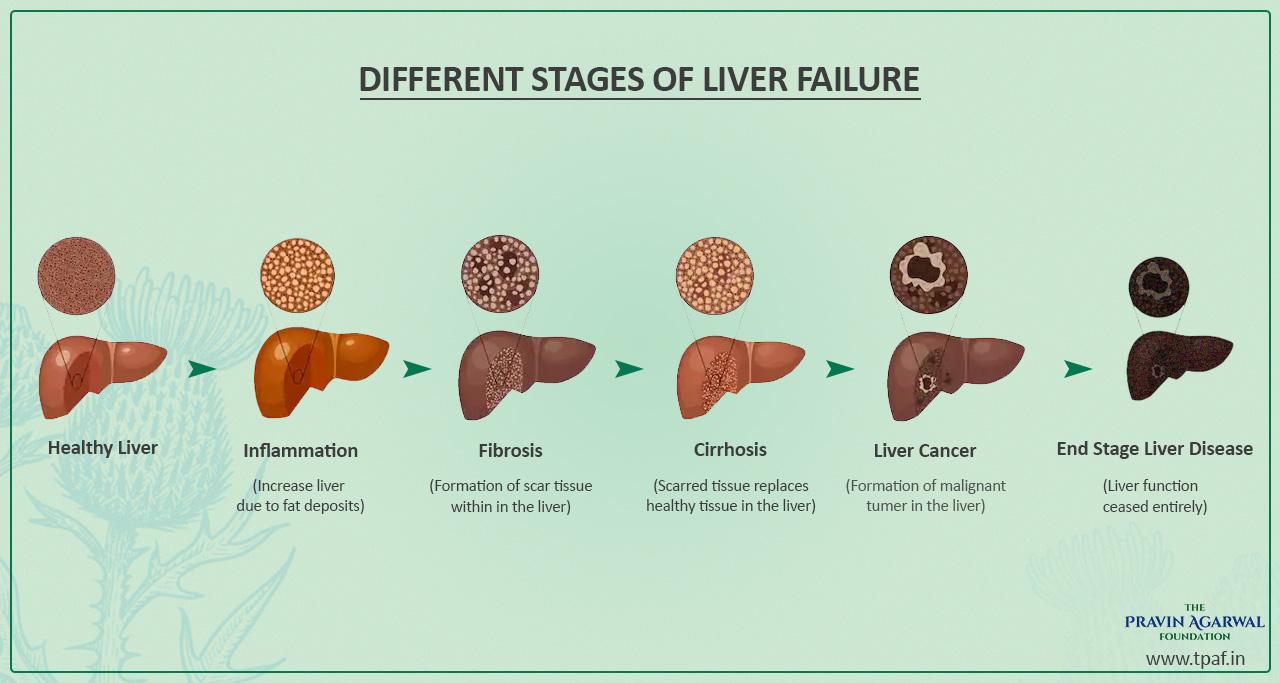
A nurse is caring for an older adult client who has significant issues with ascites related to end-stage liver disease. Which of the following precautions is most important for the nurse to include in the teaching?
A. "An increased weight in the abdomen can lead to problems with getting comfortable when lying down; therefore, have extra pillows in bed."
While having extra pillows can help with comfort, it does not address the primary safety concern associated with ascites, which is the risk of falls due to altered center of gravity and balance.
B. "Due to the increased weight in the abdomen, it is advised that you do not wear undergarments as they may not fit properly."
The advice about undergarments is not a safety precaution but rather a comfort consideration. It is less critical than ensuring the client's safety while ambulating.
C. "Due to the increased abdominal weight, take your time with walking as your balance might be affected and could cause a fall."
This is the correct choice because it directly addresses a significant safety risk for the client. Ascites can greatly affect balance, increasing the risk of falls, which can lead to serious injury, especially in older adults.
D. "The increased weight in your abdomen will mean that you can no longer exercise due to the strain on your heart."
While exercise is important, this statement is overly restrictive and not accurate. Clients with ascites can often still engage in exercise, albeit modified, to accommodate their condition and under medical supervision.
Full Explanation
Choice A rationale
While having extra pillows can help with comfort, it does not address the primary safety concern associated with ascites, which is the risk of falls due to altered center of gravity and balance.
Choice B rationale
The advice about undergarments is not a safety precaution but rather a comfort consideration. It is less critical than ensuring the client's safety while ambulating.
Choice C rationale
This is the correct choice because it directly addresses a significant safety risk for the client. Ascites can greatly affect balance, increasing the risk of falls, which can lead to serious injury, especially in older adults.
Choice D rationale
While exercise is important, this statement is overly restrictive and not accurate. Clients with ascites can often still engage in exercise, albeit modified, to accommodate their condition and under medical supervision.
How will the nurse assess for flank tenderness in a patient with suspected pyelonephritis?
A. Percuss between the iliac crest and ribs at the midaxillary line.
Percussion between the iliac crest and ribs at the midaxillary line is not the standard method for assessing flank tenderness associated with pyelonephritis. This technique may not elicit the characteristic pain of kidney inflammation.
B. Push fingers upward into the two lowest intercostal spaces.
Pushing fingers upward into the two lowest intercostal spaces is not a specific test for flank tenderness and may not accurately assess for pyelonephritis. This action is more related to assessing the integrity of the rib cage and intercostal muscles.
C. Palpate along both sides of the lumbar vertebral column.
Palpating along both sides of the lumbar vertebral column is not the correct method for assessing flank tenderness due to pyelonephritis. This approach is more suited for assessing the musculoskeletal structure rather than the kidneys.
D. Strike a flat hand covering the costovertebral angle (CVA).
Striking a flat hand over the costovertebral angle is the correct method for assessing flank tenderness in cases of suspected pyelonephritis. This technique, known as costovertebral angle tenderness, elicits pain when the kidneys are inflamed, which is a common sign of pyelonephritis.
Full Explanation
Choice A rationale
Percussion between the iliac crest and ribs at the midaxillary line is not the standard method for assessing flank tenderness associated with pyelonephritis. This technique may not elicit the characteristic pain of kidney inflammation.
Choice B rationale
Pushing fingers upward into the two lowest intercostal spaces is not a specific test for flank tenderness and may not accurately assess for pyelonephritis. This action is more related to assessing the integrity of the rib cage and intercostal muscles.
Choice C rationale
Palpating along both sides of the lumbar vertebral column is not the correct method for assessing flank tenderness due to pyelonephritis. This approach is more suited for assessing the musculoskeletal structure rather than the kidneys.
Choice D rationale
Striking a flat hand over the costovertebral angle is the correct method for assessing flank tenderness in cases of suspected pyelonephritis. This technique, known as costovertebral angle tenderness, elicits pain when the kidneys are inflamed, which is a common sign of pyelonephritis.