
Nursing practice questions with comprehensive rationales
NurseDive Free Nursing Practice Question
A nurse is planning care for a client who has diverticulitis. The nurse should plan to monitor the client for which of the following complications of diverticulitis?
A. Ulcerative colitis
Ulcerative colitis is not a complication of diverticulitis. Ulcerative colitis is a chronic inflammatory bowel disease that causes ulcers and inflammation in the colon and rectum. Diverticulitis is an acute condition that occurs when small pouches called diverticula in the colon become infected or inflamed.
B. Dysphagia
Dysphagia is not a complication of diverticulitis. Dysphagia is a term for difficulty swallowing, which can have many causes, such as stroke, nerve damage, or esophageal cancer. Diverticulitis affects the lower part of the digestive tract, not the upper part.
C. Peritonitis
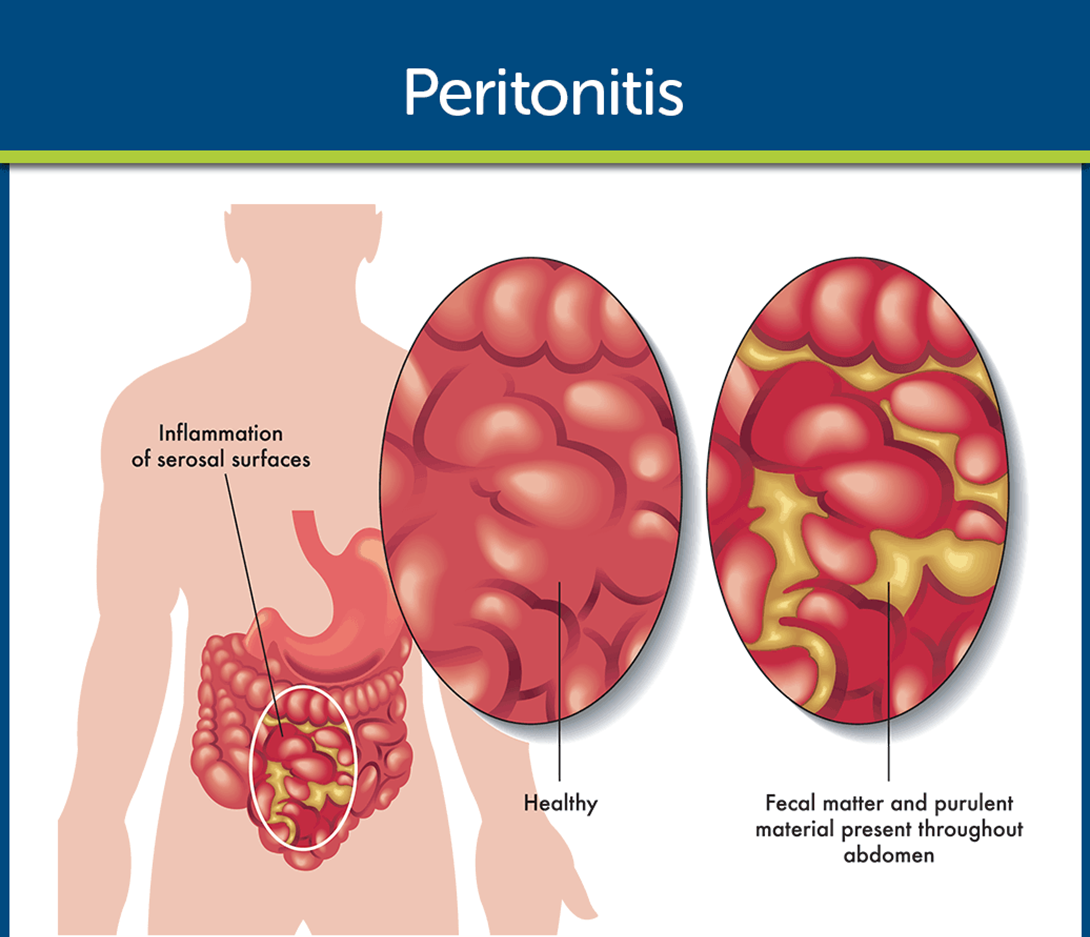
Peritonitis is a complication of diverticulitis. Peritonitis is an inflammation of the peritoneum, the membrane that lines the abdominal cavity. It can be caused by a perforation or rupture of a diverticulum, which allows bacteria and fecal matter to enter the peritoneal space. Peritonitis is a serious and life-threatening condition that requires immediate medical attention.
D. Crohn's disease
Crohn's disease is not a complication of diverticulitis. Crohn's disease is a chronic inflammatory bowel disease that can affect any part of the digestive tract, causing ulcers, fistulas, and strictures. Diverticulitis is an acute condition that affects only the colon, not the entire digestive tract.
This question is an excerpt from Nurse Dive's nursing test bank - Ati Med Surg Nursing 102 Proctored Exam 4. Take the full exam now
Full Explanation
Choice A reason: Ulcerative colitis is not a complication of diverticulitis. Ulcerative colitis is a chronic inflammatory bowel disease that causes ulcers and inflammation in the colon and rectum. Diverticulitis is an acute condition that occurs when small pouches called diverticula in the colon become infected or inflamed.
Choice B reason: Dysphagia is not a complication of diverticulitis. Dysphagia is a term for difficulty swallowing, which can have many causes, such as stroke, nerve damage, or esophageal cancer. Diverticulitis affects the lower part of the digestive tract, not the upper part.
Choice C reason: Peritonitis is a complication of diverticulitis. Peritonitis is an inflammation of the peritoneum, the membrane that lines the abdominal cavity. It can be caused by a perforation or rupture of a diverticulum, which allows bacteria and fecal matter to enter the peritoneal space. Peritonitis is a serious and life-threatening condition that requires immediate medical attention.
Choice D reason: Crohn's disease is not a complication of diverticulitis. Crohn's disease is a chronic inflammatory bowel disease that can affect any part of the digestive tract, causing ulcers, fistulas, and strictures. Diverticulitis is an acute condition that affects only the colon, not the entire digestive tract.
Similar Questions
A client reports having heartburn, dysphagia, and frequent dyspepsia. What does the nurse suspect that these clinical manifestations indicate?
A. Gastritis
Gastritis is not the most likely condition that these clinical manifestations indicate. Gastritis is an inflammation of the stomach lining, which can cause abdominal pain, nausea, vomiting, and loss of appetite. Gastritis may cause heartburn or dyspepsia, but it does not usually cause dysphagia, which is difficulty swallowing.
B. GERD
GERD is the most likely condition that these clinical manifestations indicate. GERD stands for gastroesophageal reflux disease, which is a chronic condition where the stomach acid flows back into the esophagus, causing irritation and inflammation. GERD can cause heartburn, which is a burning sensation in the chest or throat, dysphagia, which is difficulty swallowing or a feeling of a lump in the throat, and dyspepsia, which is indigestion or discomfort in the upper abdomen.
C. Peptic ulcer disease
Peptic ulcer disease is not the most likely condition that these clinical manifestations indicate. Peptic ulcer disease is a condition where there are open sores or ulcers in the lining of the stomach or duodenum, which can cause bleeding, perforation, or obstruction. Peptic ulcer disease can cause dyspepsia, which is indigestion or discomfort in the upper abdomen, but it does not usually cause heartburn or dysphagia, which are more characteristic of GERD.
D. Pancreatitis
Pancreatitis is not the most likely condition that these clinical manifestations indicate. Pancreatitis is an inflammation of the pancreas, which can cause severe abdominal pain, nausea, vomiting, fever, and jaundice. Pancreatitis does not cause heartburn, dysphagia, or dyspepsia, which are more characteristic of GERD.
Full Explanation
Choice A reason: Gastritis is not the most likely condition that these clinical manifestations indicate. Gastritis is an inflammation of the stomach lining, which can cause abdominal pain, nausea, vomiting, and loss of appetite. Gastritis may cause heartburn or dyspepsia, but it does not usually cause dysphagia, which is difficulty swallowing.
Choice B reason: GERD is the most likely condition that these clinical manifestations indicate. GERD stands for gastroesophageal reflux disease, which is a chronic condition where the stomach acid flows back into the esophagus, causing irritation and inflammation. GERD can cause heartburn, which is a burning sensation in the chest or throat, dysphagia, which is difficulty swallowing or a feeling of a lump in the throat, and dyspepsia, which is indigestion or discomfort in the upper abdomen.
Choice C reason: Peptic ulcer disease is not the most likely condition that these clinical manifestations indicate. Peptic ulcer disease is a condition where there are open sores or ulcers in the lining of the stomach or duodenum, which can cause bleeding, perforation, or obstruction. Peptic ulcer disease can cause dyspepsia, which is indigestion or discomfort in the upper abdomen, but it does not usually cause heartburn or dysphagia, which are more characteristic of GERD.
Choice D reason: Pancreatitis is not the most likely condition that these clinical manifestations indicate. Pancreatitis is an inflammation of the pancreas, which can cause severe abdominal pain, nausea, vomiting, fever, and jaundice. Pancreatitis does not cause heartburn, dysphagia, or dyspepsia, which are more characteristic of GERD.
A postoperative bariatric surgery client is complaining of nausea. Which intervention should the nurse facilitate?
A. Call the doctor for more antiemetic medication
Calling the doctor for more antiemetic medication is not the best intervention for the nurse to facilitate. Antiemetics are drugs that prevent or reduce nausea and vomiting, but they may have side effects such as drowsiness, dry mouth, or constipation. The nurse should first try non-pharmacological measures to relieve the patient's nausea, such as giving small sips of water, providing a cool and quiet environment, or using aromatherapy.
B. Give the patient small sips of tepid water
Giving the patient small sips of tepid water is the best intervention for the nurse to facilitate. Water can help hydrate the patient and dilute any stomach acid that may cause irritation. Tepid water is water that is slightly warm, which can be more soothing than cold or hot water. Small sips can prevent the patient from swallowing too much air, which can worsen nausea and vomiting.
C. Help the patient lay supine
Helping the patient lay supine is not a good intervention for the nurse to facilitate. Supine means lying flat on the back, which can increase the risk of aspiration, or inhaling food or fluids into the lungs. Aspiration can cause pneumonia, a serious lung infection. The nurse should help the patient lay on their side, with their head elevated, to prevent aspiration and reduce pressure on the stomach.
D. Show the patient how to use the patient-controlled analgesia
Showing the patient how to use the patient-controlled analgesia is not a relevant intervention for the nurse to facilitate. Patient-controlled analgesia is a system that allows the patient to self-administer pain medication through an IV pump. It has nothing to do with nausea and vomiting, and may even cause them as side effects. The nurse should monitor the patient's pain level and adjust the analgesia settings as needed, but not as a way to treat nausea.
Full Explanation
Choice A reason: Calling the doctor for more antiemetic medication is not the best intervention for the nurse to facilitate. Antiemetics are drugs that prevent or reduce nausea and vomiting, but they may have side effects such as drowsiness, dry mouth, or constipation. The nurse should first try non-pharmacological measures to relieve the patient's nausea, such as giving small sips of water, providing a cool and quiet environment, or using aromatherapy.
Choice B reason: Giving the patient small sips of tepid water is the best intervention for the nurse to facilitate. Water can help hydrate the patient and dilute any stomach acid that may cause irritation. Tepid water is water that is slightly warm, which can be more soothing than cold or hot water. Small sips can prevent the patient from swallowing too much air, which can worsen nausea and vomiting.
Choice C reason: Helping the patient lay supine is not a good intervention for the nurse to facilitate. Supine means lying flat on the back, which can increase the risk of aspiration, or inhaling food or fluids into the lungs. Aspiration can cause pneumonia, a serious lung infection. The nurse should help the patient lay on their side, with their head elevated, to prevent aspiration and reduce pressure on the stomach.
Choice D reason: Showing the patient how to use the patient-controlled analgesia is not a relevant intervention for the nurse to facilitate. Patient-controlled analgesia is a system that allows the patient to self-administer pain medication through an IV pump. It has nothing to do with nausea and vomiting, and may even cause them as side effects. The nurse should monitor the patient's pain level and adjust the analgesia settings as needed, but not as a way to treat nausea.
A client with long-standing obesity has been prescribed phentermine/topiramate-ER for treatment. What statement by the client suggests that further health education is necessary?
A. I'm going to have to do some rearranging of my finances to make sure I can afford this medication.
This statement does not suggest that further health education is necessary. The client is expressing a realistic concern about the cost of the medication, which may be expensive or not covered by insurance. The nurse should acknowledge the client's financial situation and provide information about possible assistance programs or alternative options.
B. I'm a bit nervous to start this medication because I know I'll need blood tests sometimes.
This statement does not suggest that further health education is necessary. The client is expressing a reasonable anxiety about the medication, which may have side effects or interactions that require monitoring. The nurse should reassure the client and explain the purpose and frequency of the blood tests, as well as the potential benefits and risks of the medication.
C. It's hard to believe that there are actually medications that can treat obesity.
This statement does not suggest that further health education is necessary. The client is expressing a sense of wonder or skepticism about the medication, which may be uncommon or novel for the treatment of obesity. The nurse should educate the client about how the medication works and what to expect from the treatment, as well as the evidence and research behind it.
D. I'm so relieved to start this medication. I really don't like having to exercise or change what I eat.
This statement suggests that further health education is necessary. The client is expressing a false or unrealistic expectation about the medication, which is not a magic pill or a substitute for lifestyle changes. The nurse should correct the client and emphasize the importance of following a healthy diet and exercise regimen, as well as the goals and limitations of the medication.
Full Explanation
Choice A reason: This statement does not suggest that further health education is necessary. The client is expressing a realistic concern about the cost of the medication, which may be expensive or not covered by insurance. The nurse should acknowledge the client's financial situation and provide information about possible assistance programs or alternative options.
Choice B reason: This statement does not suggest that further health education is necessary. The client is expressing a reasonable anxiety about the medication, which may have side effects or interactions that require monitoring. The nurse should reassure the client and explain the purpose and frequency of the blood tests, as well as the potential benefits and risks of the medication.
Choice C reason: This statement does not suggest that further health education is necessary. The client is expressing a sense of wonder or skepticism about the medication, which may be uncommon or novel for the treatment of obesity. The nurse should educate the client about how the medication works and what to expect from the treatment, as well as the evidence and research behind it.
Choice D reason: This statement suggests that further health education is necessary. The client is expressing a false or unrealistic expectation about the medication, which is not a magic pill or a substitute for lifestyle changes. The nurse should correct the client and emphasize the importance of following a healthy diet and exercise regimen, as well as the goals and limitations of the medication.