
Nursing practice questions with comprehensive rationales
NurseDive Free Nursing Practice Question
A nurse is planning care for a school-age child who was admitted from the emergency department 2 hr ago.
Which of the following interventions should the nurse include to promote adequate sleep for the child?
A. Follow the child's home sleep routine to reduce anxiety.
Following the child’s home sleep routine can help reduce anxiety and promote adequate sleep. Children thrive on routine and consistency, and maintaining their usual sleep routine can provide a sense of familiarity and comfort in an unfamiliar environment.
B. Leave the lights on in the child's room to promote safety.
Choice B is wrong because leaving the lights on can disrupt the child’s sleep.
C. Allow the child to adjust their bedtime to promote autonomy.
Choice C is wrong because allowing the child to adjust their bedtime may disrupt their sleep routine and lead to inadequate sleep.
D. Provide the child with calming activities prior to bedtime to reduce stress.
Choice D is a good option, but following the child’s home sleep routine is the best way to promote adequate sleep.
This question is an excerpt from Nurse Dive's nursing test bank - ATI RN Nursing Care of Children 2019 Proctored Exam. Take the full exam now
Full Explanation
Following the child’s home sleep routine can help reduce anxiety and promote adequate sleep.
Children thrive on routine and consistency, and maintaining their usual sleep routine can provide a sense of familiarity and comfort in an unfamiliar environment.
Choice B is wrong because leaving the lights on can disrupt the child’s sleep.
Choice C is wrong because allowing the child to adjust their bedtime may disrupt their sleep routine and lead to inadequate sleep.
Choice D is a good option, but following the child’s home sleep routine is the best way to promote adequate sleep.
Similar Questions
A nurse is performing a cranial nerve assessment on a school-age child.
Which of the following findings indicates proper functioning of the child's trigeminal nerve?
A. The child maintains balance when standing with eyes closed.
Choice A is wrong because it assesses the vestibulocochlear nerve, not the trigeminal nerve.
B. The child has symmetrical jaw strength when biting down.
The trigeminal nerve is responsible for sensation in the face and motor functions such as biting and chewing. Symmetrical jaw strength when biting down indicates proper functioning of the trigeminal nerve.
C. The child exhibits a gag reflex when stimulated with a tongue blade.
Choice C is wrong because it assesses the glossopharyngeal and vagus nerves, not the trigeminal nerve.
D. The child correctly identifies specific scents.
Choice D is wrong because it assesses the olfactory nerve, not the trigeminal nerve.
Full Explanation
The trigeminal nerve is responsible for sensation in the face and motor functions such as biting and chewing.
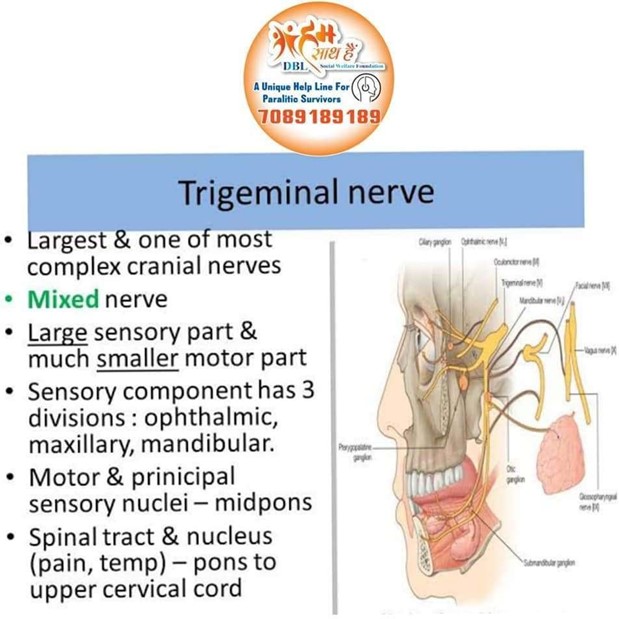
Symmetrical jaw strength when biting down indicates proper functioning of the trigeminal nerve.
Choice A is wrong because it assesses the vestibulocochlear nerve, not the trigeminal nerve.
Choice C is wrong because it assesses the glossopharyngeal and vagus nerves, not the trigeminal nerve.
Choice D is wrong because it assesses the olfactory nerve, not the trigeminal nerve.
A nurse is preparing to administer a prescribed medication to a toddler whose parent is nearby.
Which of the following actions should the nurse take to identify the toddler?
A. Check the toddler's room number against their ID band.
Choice A is wrong because room numbers can change and are not a reliable way to identify a patient.
B. Ask another nurse to confirm the toddler's identity.
Choice B is not the best answer because it relies on another person’s knowledge and memory, which can be fallible.
C. Ask the parent to confirm the toddler's identity.
Choice C is wrong because parents may be stressed or distracted and may not provide accurate information.
D. Check the toddler's ID band against the medical record.
Checking the toddler’s ID band against the medical record is the best way to confirm their identity before administering medication. This ensures that the right medication is given to the right patient.
Full Explanation
Checking the toddler’s ID band against the medical record is the best way to confirm their identity before administering medication.
This ensures that the right medication is given to the right patient.
Choice A is wrong because room numbers can change and are not a reliable way to identify a patient.
Choice B is not the best answer because it relies on another person’s knowledge and memory, which can be fallible.
Choice C is wrong because parents may be stressed or distracted and may not provide accurate information.
A nurse is planning care for an adolescent who has sickle cell anemia.
Which of the following immunizations should the nurse include in the plan?
A. Pneumococcal conjugate (PCV13).
The pneumococcal conjugate vaccine (PCV13) is one of the immunizations recommended for people with sickle cell anemia. People with sickle cell disease are immunocompromised and have an increased risk of infection, so immunizations are an important part of their care.
B. Rotavirus.
Choice B is not the best answer because the rotavirus vaccine is not specifically recommended for people with sickle cell anemia.
C. Measles, mumps, and rubella (MMR).
Choice C is wrong because the MMR vaccine is not specifically recommended for people with sickle cell anemia.
D. Respiratory syncytial virus (RSV).
Choice D is wrong because there is no vaccine for respiratory syncytial virus (RSV).
Full Explanation
The pneumococcal conjugate vaccine (PCV13) is one of the immunizations recommended for people with sickle cell anemia.
People with sickle cell disease are immunocompromised and have an increased risk of infection, so immunizations are an important part of their care.
Choice B is not the best answer because the rotavirus vaccine is not specifically recommended for people with sickle cell anemia.
Choice C is wrong because the MMR vaccine is not specifically recommended for people with sickle cell anemia.
Choice D is wrong because there is no vaccine for respiratory syncytial virus (RSV).