
Nursing practice questions with comprehensive rationales
NurseDive Free Nursing Practice Question
A nurse is planning to reinforce teaching with a preschooler who is about to undergo an incision and
drainage for cellulitis on the left arm. Which of the following techniques should the nurse use?
A. Plan for a 30-min instructional session.
Plan for a 30-min instructional session: Preschool-age children have limited atention spans and may become restless or disinterested during a 30-minute instructional session. Shorter, more focused teaching sessions are generally more effective for this age group.
B. Schedule the instructional session for 24 to 36 hr before the procedure
Schedule the instructional session for 24 to 36 hr before the procedure: Scheduling the instructional session too far in advance may result in the child forgetting or not retaining the information. It is recommended to conduct the teaching session closer to the procedure date to ensure the information is fresh in the child's mind.
C. Take the child on a tour of the surgery and recovery areas.
Take the child on a tour of the surgery and recovery areas: While taking a child on a tour of the surgery and recovery areas can be beneficial for older children or adolescents, it may not be suitable or developmentally appropriate for a preschooler. Young children may find the hospital environment overwhelming or intimidating, and the tour may increase their anxiety or fear. Using a more hands-on and interactive approach, such as helping the child put a dressing on a doll, is typically more effective for preschool-age children.
D. Help the child put a dressing on a doll.
The nurse should use the technique of helping the child put a dressing on a doll to reinforce teaching for a preschooler who is about to undergo an incision and drainage for cellulitis. This technique allows the child to participate in a hands-on activity that simulates the upcoming procedure and helps them become familiar with the process in a non-threatening and interactive manner. It provides an opportunity for the child to ask questions, express concerns, and gain a sense of control and understanding about what will happen during their own procedure.
This question is an excerpt from Nurse Dive's nursing test bank - RN Comprehensive Online Practice 2019 B with NGN Proctored Exam. Take the full exam now
Similar Questions
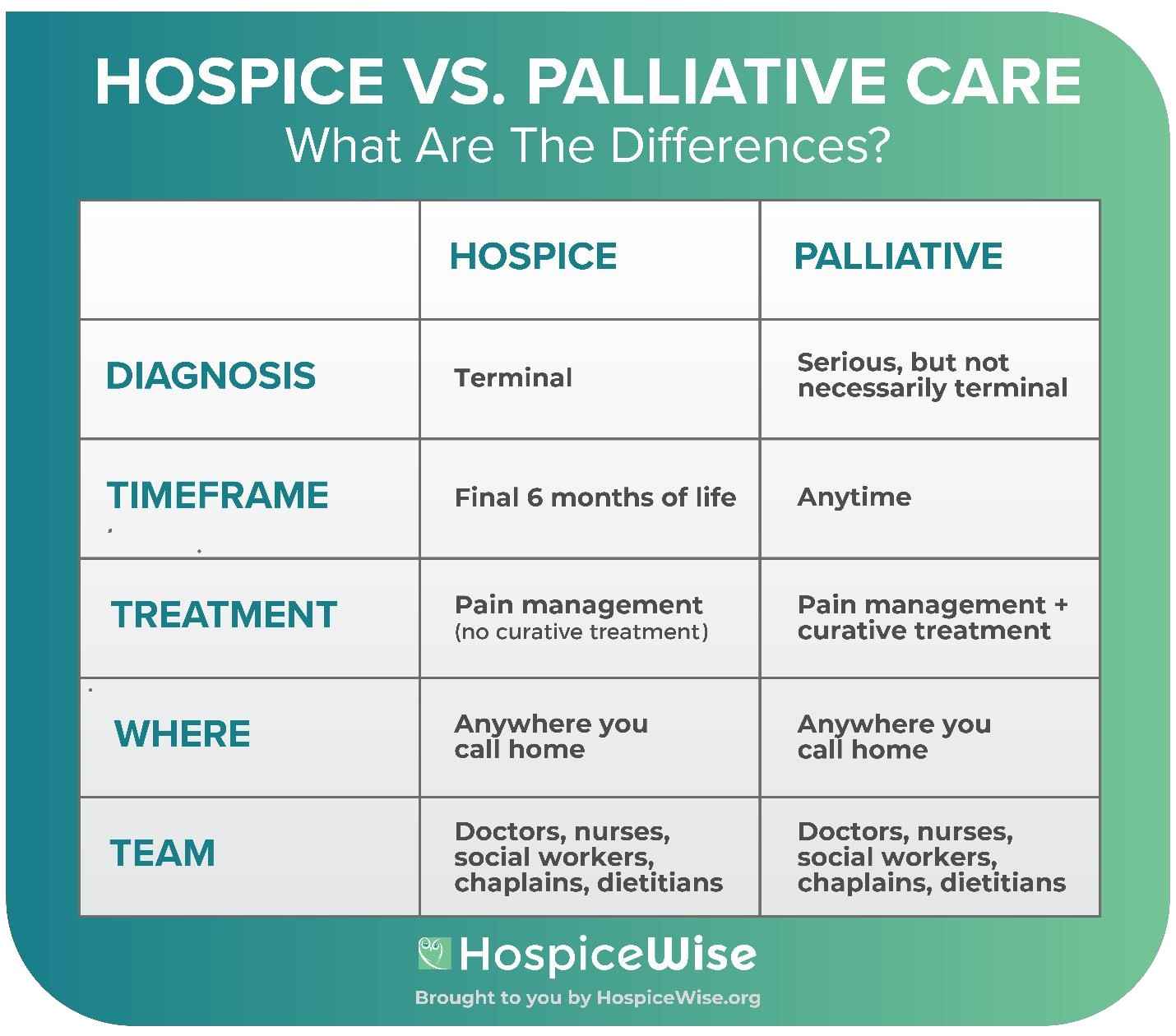
A hospice nurse is consulting with a client and her family about receiving home services. Which of the following statements should the nurse identify as an indication that the family understands home hospice care?
A. "We can expect the hospice nurse to provide support for us after our mother's death."
Hospice care includes bereavement support for the family for up to a year after the client's death.
B. "A hospice nurse will come to the house each time our mother needs pain medication."
The hospice nurse does not administer pain medication, but rather teaches the family how to manage the client's pain at home.
C. "Now that my mother is receiving hospice services, we will not be able to get respite care."
Respite care is one of the services that hospice provides to allow the family to take a break from caregiving.
D. "Hospice care focuses on arranging treatment that will prolong our mother's life."
Hospice care does not aim to prolong life, but rather to provide comfort and quality of life for the client and the family.
Full Explanation
Hospice care includes bereavement support for the family for up to a year after the client's death.
- B is incorrect because the hospice nurse does not administer pain medication, but rather teaches the family how to manage the client's pain at home.
- C is incorrect because respite care is one of the services that hospice provides to allow the family to take a break from caregiving.
- D is incorrect because hospice care does not aim to prolong life, but rather to provide comfort and quality of life for the client and the family.
A nurse manager is preparing an educational session about advocacy to a group of nurses.
The nurse manager should include which of the following information in the teaching?
A. Advocacy is a leadership role that helps others to self-actualize
This statement is true and reflects one of the core principles of advocacy, which is to empower others to achieve their full potential and exercise their rights and responsibilities. This choice is correct.
B. Subordinates are advocates for the nurse manager
This statement is false and contradicts one of the core principles of advocacy, which is to act in the best interest of those who are vulnerable or oppressed, not those who are in positions of power or authority. This choice is incorrect.
C. Advocacy encourages clients to rely on health care staff for decision-making
This statement is false and contradicts one of the core principles of advocacy, which is to respect and support clients' autonomy and self-determination, not to impose or influence their choices or actions.
D. Nurse managers should distrust people who expose inappropriate professional practices
This statement is false and contradicts one of the core principles of advocacy, which is to promote and uphold ethical standards and quality of care, not to conceal or ignore malpractice or misconduct. This choice is incorrect.
Full Explanation
Advocacy is a leadership role that helps others to self-actualize.
- A. Advocacy is a leadership role that helps others to self-actualize. This statement is true and reflects one of the core principles of advocacy, which is to empower others to achieve their full potential and exercise their rights and responsibilities. This choice is correct.
- B. Subordinates are advocates for the nurse manager. This statement is false and contradicts one of the core principles of advocacy, which is to act in the best interest of those who are vulnerable or oppressed, not those who are in positions of power or authority. This choice is incorrect.
- C. Advocacy encourages clients to rely on health care staff for decision-making. This statement is false and contradicts one of the core principles of advocacy, which is to respect and support clients' autonomy and self-determination, not to impose or influence their choices or actions. This choice is incorrect.
- D. Nurse managers should distrust people who expose inappropriate professional practices. This statement is false and contradicts one of the core principles of advocacy, which is to promote and uphold ethical standards and quality of care, not to conceal or ignore malpractice or misconduct. This choice is incorrect.
A nurse is caring for a client who is receiving a continuous heparin infusion. Which of the following laboratory tests should the nurse review prior to adjusting the client's heparin?
A. aPTT
aPTT (activated partial thromboplastin time) measures the effectiveness of heparin therapy and guides dosage adjustments.
B. PT
PT (prothrombin time) measures the effectiveness of warfarin therapy, not heparin.
C. INR
INR (international normalized ratio) is a standardized version of PT that also monitors warfarin therapy, not heparin.
D. WBC count
WBC count (white blood cell count) measures the body's immune response and has no relation to heparin therapy.
Full Explanation
- A is correct because aPTT (activated partial thromboplastin time) measures the effectiveness of heparin therapy and guides dosage adjustments.
- B is incorrect because PT (prothrombin time) measures the effectiveness of warfarin therapy, not heparin.
- C is incorrect because INR (international normalized ratio) is a standardized version of PT that also monitors warfarin therapy, not heparin.
- D is incorrect because WBC count (white blood cell count) measures the body's immune response and has no relation to heparin therapy.