
Nursing practice questions with comprehensive rationales
NurseDive Free Nursing Practice Question
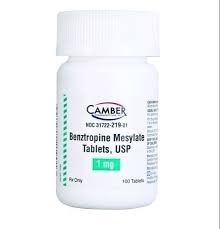
A nurse is preparing to administer benztropine 2 mg IM every 12 hr to a client who is experiencing an extrapyramidal reaction. Available is benztropine 1 mg/mL for injection. How many ml should the nurse administer per dose? (Round the answer to the nearest whole number. Use a leading zero if it applies. Do not use a trailing zero.)
This question is an excerpt from Nurse Dive's nursing test bank - ATI Mental Health Proctored Exam. Take the full exam now
Full Explanation
The nurse is preparing to administer benztropine 2 mg IM every 12 hours. The concentration of the available benztropine is 1 mg/mL.
To calculate the volume (mL) of the medication needed for the prescribed dose, you can use the formula:
Volume (mL) = Dose (mg) / Concentration (mg/mL)
Plugging in the values:
Volume (mL) = 2 mg / 1 mg/mL = 2 mL
So, the nurse should administer 2 mL of benztropine 1 mg/mL for each dose. Since we're looking for a whole number, we round to the nearest whole number, which is 2 mL.
Similar Questions
A nurse is providing discharge teaching to a client who is taking risperidone. Which of the following instructions should the nurse include in the teaching?
A. "This medication may increase your blood pressure."
This statement is incorrect. Risperidone is not typically associated with significant increases in blood pressure. One of the potential side effects of risperidone is orthostatic hypotension, which is a drop in blood pressure when changing positions (e.g., standing up quickly). Therefore, this choice is not the best instruction to include in the teaching.
B. "Flu-like symptoms are an expected adverse effect of this medication."
This statement is incorrect. While risperidone can have side effects, flu-like symptoms are not commonly associated with it. Common side effects of risperidone may include dizziness, drowsiness, weight gain, and movement disorders. Flu-like symptoms are not a typical adverse effect of this medication.
C. "Avoid becoming overheated while taking this medication."
This statement is correct. Risperidone, like many other antipsychotic medications, can interfere with the body's ability to regulate temperature. This can lead to an increased risk of overheating, especially in hot weather or during vigorous physical activity. Therefore, it's important for patients taking risperidone to be cautious and avoid becoming overheated, as this could potentially lead to heat-related complications.
D. "Muscle twitches can occur the first few weeks while taking this medication."
This statement is incorrect. Muscle twitches are not a common side effect of risperidone. While it's true that some movement disorders can occur with antipsychotic medications, the statement is too specific to muscle twitches and does not accurately reflect the typical side effect profile of risperidone.
Full Explanation
A. "This medication may increase your blood pressure."
This statement is incorrect. Risperidone is not typically associated with significant increases in blood pressure. One of the potential side effects of risperidone is orthostatic hypotension, which is a drop in blood pressure when changing positions (e.g., standing up quickly). Therefore, this choice is not the best instruction to include in the teaching.
B. "Flu-like symptoms are an expected adverse effect of this medication."
This statement is incorrect. While risperidone can have side effects, flu-like symptoms are not commonly associated with it. Common side effects of risperidone may include dizziness, drowsiness, weight gain, and movement disorders. Flu-like symptoms are not a typical adverse effect of this medication.
C. "Avoid becoming overheated while taking this medication."
This statement is correct. Risperidone, like many other antipsychotic medications, can interfere with the body's ability to regulate temperature. This can lead to an increased risk of overheating, especially in hot weather or during vigorous physical activity. Therefore, it's important for patients taking risperidone to be cautious and avoid becoming overheated, as this could potentially lead to heat-related complications.
D. "Muscle twitches can occur the first few weeks while taking this medication."
This statement is incorrect. Muscle twitches are not a common side effect of risperidone. While it's true that some movement disorders can occur with antipsychotic medications, the statement is too specific to muscle twitches and does not accurately reflect the typical side effect profile of risperidone.
A nurse is reviewing medication records for several clients who have bipolar disorder. The nurse should recognize that which of the following medications are used to treat clients who have bipolar disorder? (Select all that apply.)
A. Lithium
Lithium: Lithium is a mood stabilizer commonly used in the treatment of bipolar disorder. It helps to control mood swings and prevent the recurrence of manic and depressive episodes.
B. Carbamazepine
Carbamazepine: Carbamazepine is an anticonvulsant medication that has been found effective in managing mood swings in bipolar disorder. It can help stabilize mood and prevent manic episodes.
C. Valproate (Valproic acid or Divalproex sodium)
Valproate (Valproic acid or Divalproex sodium): Valproate is another anticonvulsant medication that is used as a mood stabilizer in bipolar disorder. It can help control manic and mixed episodes. The following options are not used to treat bipolar disorder:
D. Paroxetine
SSRIs, including paroxetine, carry a risk of inducing mania or hypomania in individuals with bipolar disorder. This risk is why these medications are usually avoided or used cautiously, always in conjunction with a mood stabilizer like lithium, valproate, or atypical antipsychotics. Before initiating paroxetine, it’s crucial that the client is stabilized with a mood stabilizer to minimize the risk of mood switching (i.e., moving from depression to mania or hypomania).
E. Donepezil
Donepezil: Donepezil is a medication used to treat Alzheimer's disease and other forms of dementia. It is not used to treat bipolar disorder.
Full Explanation
A. Lithium: Lithium is a mood stabilizer commonly used in the treatment of bipolar disorder. It helps to control mood swings and prevent the recurrence of manic and depressive episodes.
B. Carbamazepine: Carbamazepine is an anticonvulsant medication that has been found effective in managing mood swings in bipolar disorder. It can help stabilize mood and prevent manic episodes.
C. Valproate (Valproic acid or Divalproex sodium): Valproate is another anticonvulsant medication that is used as a mood stabilizer in bipolar disorder. It can help control manic and mixed episodes.
The following options are not used to treat bipolar disorder:
D. Paroxetine: SSRIs, including paroxetine, carry a risk of inducing mania or hypomania in individuals with bipolar disorder. This risk is why these medications are usually avoided or used cautiously, always in conjunction with a mood stabilizer like lithium, valproate, or atypical antipsychotics. Before initiating paroxetine, it’s crucial that the client is stabilized with a mood stabilizer to minimize the risk of mood switching (i.e., moving from depression to mania or hypomania).
E. Donepezil: Donepezil is a medication used to treat Alzheimer's disease and other forms of dementia. It is not used to treat bipolar disorder.
A nurse in a psychiatric unit is caring for several clients. Which of the following clients should the nurse recommend for group therapy?
A. A client exhibiting psychotic behavior
Group therapy is generally not recommended for clients who are actively exhibiting psychotic behavior. Psychotic behavior can include hallucinations, delusions, and severe thought disturbances, which might impede the individual's ability to effectively participate and benefit from group therapy. Such clients often require more immediate and individualized attention to address their acute symptoms.
B. A client who has been taking amitriptyline for 3 months for depression
This is the correct choice. A client who has been taking amitriptyline for 3 months for depression is likely to have their symptoms more stabilized and under better control compared to acute situations. They might be at a stage where they can engage in group therapy to discuss their experiences, coping strategies, and learn from others in a similar situation.
C. A client who is experiencing alcohol intoxication
Group therapy is not appropriate for clients who are currently intoxicated, as their ability to actively participate and engage in therapeutic discussions may be compromised. Addressing the effects of alcohol intoxication and ensuring the client's safety would be a priority before considering group therapy.
D. A client admitted 12 hr ago for acute mania
Clients admitted for acute mania often require stabilization and intervention to manage their manic symptoms. In the early stages of admission, they might not be in a state conducive to group therapy. Once their acute symptoms are better controlled and they have had time to stabilize, they could potentially benefit from group therapy as part of their overall treatment plan.
Full Explanation
A. A client exhibiting psychotic behavior
Group therapy is generally not recommended for clients who are actively exhibiting psychotic behavior. Psychotic behavior can include hallucinations, delusions, and severe thought disturbances, which might impede the individual's ability to effectively participate and benefit from group therapy. Such clients often require more immediate and individualized attention to address their acute symptoms.
B. A client who has been taking amitriptyline for 3 months for depression
This is the correct choice. A client who has been taking amitriptyline for 3 months for depression is likely to have their symptoms more stabilized and under better control compared to acute situations. They might be at a stage where they can engage in group therapy to discuss their experiences, coping strategies, and learn from others in a similar situation.
C. A client who is experiencing alcohol intoxication
Group therapy is not appropriate for clients who are currently intoxicated, as their ability to actively participate and engage in therapeutic discussions may be compromised. Addressing the effects of alcohol intoxication and ensuring the client's safety would be a priority before considering group therapy.
D. A client admitted 12 hours ago for acute mania
Clients admitted for acute mania often require stabilization and intervention to manage their manic symptoms. In the early stages of admission, they might not be in a state conducive to group therapy. Once their acute symptoms are better controlled and they have had time to stabilize, they could potentially benefit from group therapy as part of their overall treatment plan.