
Nursing practice questions with comprehensive rationales
NurseDive Free Nursing Practice Question
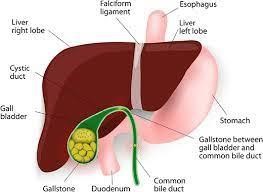
A nurse is preparing to administer PRN pain medication to a client who has cholelithiasis and is experiencing moderate abdominal pain. Which of the following medications should the nurse plan to administer?
A. Acetaminophen
Acetaminophen is a safer choice for pain relief in clients with cholelithiasis because it does not have significant effects on the gallbladder or biliary system. It can provide effective pain relief without exacerbating the underlying condition.
B. Omeprazole
Omeprazole Omeprazole should not administer because it is a proton pump inhibitor (PPI) used to reduce stomach acid production and treat conditions such as gastroesophageal reflux disease (GERD) and peptic ulcers. It is not indicated for the treatment of pain and discomfort associated with cholelithiasis.
C. Metoclopramide
Should not be administered Metoclopramide Metoclopramide should not be administered because it is a medication used to treat gastrointestinal issues such as nausea, vomiting, and gastroparesis. It is not indicated for the treatment of pain associated with cholelithiasis.
D. Ketorolac
Ketorolac Ketorolac should not be administered because it is an NSAID used for moderate to severe pain. However, it should be avoided in clients with cholelithiasis due to its potential adverse effects on the gallbladder and biliary system.
This question is an excerpt from Nurse Dive's nursing test bank - PN Comprehensive Predictor 2023 Proctored Exam. Take the full exam now
Full Explanation
Choice A reason:
Acetaminophen is a safer choice for pain relief in clients with cholelithiasis because it does not have significant effects on the gallbladder or biliary system. It can provide effective pain relief without exacerbating the underlying condition.
Choice B reason:
Omeprazole Omeprazole should not administer because it is a proton pump inhibitor (PPI) used to reduce stomach acid production and treat conditions such as gastroesophageal reflux disease (GERD) and peptic ulcers. It is not indicated for the treatment of pain and discomfort associated with cholelithiasis.
Choice C reason
Should not be administered
Metoclopramide Metoclopramide should not be administered because it is a medication used to treat gastrointestinal issues such as nausea, vomiting, and gastroparesis. It is not indicated for the treatment of pain associated with cholelithiasis.
Choice D reason:
Ketorolac Ketorolac should not be administered because it is an NSAID used for moderate to severe pain. However, it should be avoided in clients with cholelithiasis due to its potential adverse effects on the gallbladder and biliary system.
Similar Questions
A nurse is teaching the parents of a school-age child who is newly diagnosed with juvenile idiopathic arthritis. Which of the following interventions should the nurse include in the teaching?
A. Have the child take a tub bath each morning
Warm tub baths are recommended for children with juvenile idiopathic arthritis (JIA) as they help to relieve joint stiffness and pain, especially in the morning. The warm water can soothe the joints, making movement easier and reducing discomfort throughout the day.
B. Apply splints to the child's extremities during the day.
While splints may be used in JIA, they are typically applied during the night (resting splints) to maintain joint position and prevent contractures. Daytime use of splints (working splints) may be considered in certain situations, but generally, children are encouraged to be as active as possible during the day to maintain joint mobility.
C. Encourage the child to take naps during the day.
While rest is important, encouraging too much rest during the day may contribute to joint stiffness. Regular activity helps maintain joint function and mobility, which is essential in managing JIA. Frequent daytime naps also interfere with the child's quality of sleep.
D. Keep the child on bedrest as long as pain persists.
Prolonged bedrest is not recommended for children with JIA. It can lead to muscle atrophy, increased stiffness, and reduced joint mobility. Instead, the focus should be on maintaining activity within the child's pain tolerance and using pain management strategies.
Full Explanation
Correct answer: A. Have the child take a tub bath each morning
A. Have the child take a tub bath each morning: Warm tub baths are recommended for children with juvenile idiopathic arthritis (JIA) as they help to relieve joint stiffness and pain, especially in the morning. The warm water can soothe the joints, making movement easier and reducing discomfort throughout the day.
B. Apply splints to the child's extremities during the day: While splints may be used in JIA, they are typically applied during the night (resting splints) to maintain joint position and prevent contractures. Daytime use of splints (working splints) may be considered in certain situations, but generally, children are encouraged to be as active as possible during the day to maintain joint mobility.
C. Encourage the child to take naps during the day: While rest is important, encouraging too much rest during the day may contribute to joint stiffness. Regular activity helps maintain joint function and mobility, which is essential in managing JIA.
D. Keep the child on bedrest as long as pain persists: Prolonged bedrest is not recommended for children with JIA. It can lead to muscle atrophy, increased stiffness, and reduced joint mobility. Instead, the focus should be on maintaining activity within the child's pain tolerance and using pain management strategies.
A nurse in a long-term care facility is providing care for a client who has been receiving donepezil. Which of the following findings indicates that the medication is effective?
A. Increased food intake
Increased food intake does not show medication is effective: Increased food intake is not a specific indication of donepezil's effectiveness. While some clients with dementia may have improved appetite due to reduced agitation or confusion, it is not directly related to the medication's therapeutic effect.
B. Can perform ADLS independently
Can perform ADLs independently is inappropriate: The ability to perform activities of daily living (ADLs) independently can be a positive outcome in clients with dementia. However, it may not be solely attributed to donepezil, as ADLs can be influenced by various factors, including the client's overall condition and support received.
C. Improved short-term memory
Improved short-term memory is correct. One of the primary goals of using donepezil is to improve memory and slow the decline in cognitive abilities associated with dementia. Therefore, if a client shows improvement in short-term memory, it suggests that the medication is having a positive effect in preserving cognitive function.
D. Enhanced mood
Enhanced mood does not show the medicine is effective: Donepezil is primarily aimed at improving cognitive function and memory, and its effects on mood may be limited. While some clients may experience mood improvements due to reduced frustration or confusion from memory loss, it is not the primary indicator of the medication's effectiveness.
Full Explanation
Choice A reason
Increased food intake does not show medication is effective: Increased food intake is not a specific indication of donepezil's effectiveness. While some clients with dementia may have improved appetite due to reduced agitation or confusion, it is not directly related to the medication's therapeutic effect.
Choice B reason:
Can perform ADLs independently is inappropriate: The ability to perform activities of daily living (ADLs) independently can be a positive outcome in clients with dementia. However, it may not be solely attributed to donepezil, as ADLs can be influenced by various factors, including the client's overall condition and support received.
Choice C reason:
Improved short-term memory is correct. One of the primary goals of using donepezil is to improve memory and slow the decline in cognitive abilities associated with dementia. Therefore, if a client shows improvement in short-term memory, it suggests that the medication is having a positive effect in preserving cognitive function.
Choice D reason
Enhanced mood does not show the medicine is effective: Donepezil is primarily aimed at improving cognitive function and memory, and its effects on mood may be limited. While some clients may experience mood improvements due to reduced frustration or confusion from memory loss, it is not the primary indicator of the medication's effectiveness.
A nurse is providing teaching about digoxin administration to the parents of a toddler who has heart failure. Which of the following statements should the nurse include in the teaching?
A. "Repeat the dose if your child vomits within 1 hour after taking the medication."
"Repeat the dose if your child vomits within 1 hour after taking the medication." This statement is incorrect. If a child vomits within 1 hour after taking digoxin, the parents should not repeat the dose. The reason is that the child may have already absorbed a sufficient amount of the medication before vomiting, and an additional dose could lead to digoxin toxicity.
B. "You can add the medication to a half-cup of your child's favorited juice."
"You can add the medication to a half-cup of your child's favourite juice." This statement is incorrect. Adding digoxin to juice or any other food or drink is not recommended. Digoxin should be administered separately and not mixed with food or liquids to ensure accurate dosing and prevent potential interactions with other substances.
C. "Have your child drink a small glass of water after swallowing the medication."
"Have your child drink a small glass of water after swallowing the medication." This statement is correct. Giving a small glass of water after administering digoxin helps ensure that the medication is fully swallowed and goes into the stomach, reducing the risk of it being retained in the mouth or throat.
D. "Limit your child's potassium intake while she is taking this medication."
"Limit your child's potassium intake while she is taking this medication." This statement is not accurate. Digoxin is often prescribed in conjunction with other heart failure medications, some of which may impact potassium levels. However, the parents should not arbitrarily limit the child's potassium intake without specific instructions from the healthcare provider. The healthcare provider will monitor the child's potassium levels and adjust the treatment plan as necessary.
Full Explanation
Choice A reason:
"Repeat the dose if your child vomits within 1 hour after taking the medication." This statement is incorrect. If a child vomits within 1 hour after taking digoxin, the parents should not repeat the dose. The reason is that the child may have already absorbed a sufficient amount of the medication before vomiting, and an additional dose could lead to digoxin toxicity.
Choice B reason:
"You can add the medication to a half-cup of your child's favourite juice." This statement is incorrect. Adding digoxin to juice or any other food or drink is not recommended. Digoxin should be administered separately and not mixed with food or liquids to ensure accurate dosing and prevent potential interactions with other substances.
Choice C reason:
"Have your child drink a small glass of water after swallowing the medication." This statement is correct. Giving a small glass of water after administering digoxin helps ensure that the medication is fully swallowed and goes into the stomach, reducing the risk of it being retained in the mouth or throat.
Choice D reason:
"Limit your child's potassium intake while she is taking this medication." This statement is not accurate. Digoxin is often prescribed in conjunction with other heart failure medications, some of which may impact potassium levels. However, the parents should not arbitrarily limit the child's potassium intake without specific instructions from the healthcare provider. The healthcare provider will monitor the child's potassium levels and adjust the treatment plan as necessary.