
Nursing practice questions with comprehensive rationales
NurseDive Free Nursing Practice Question
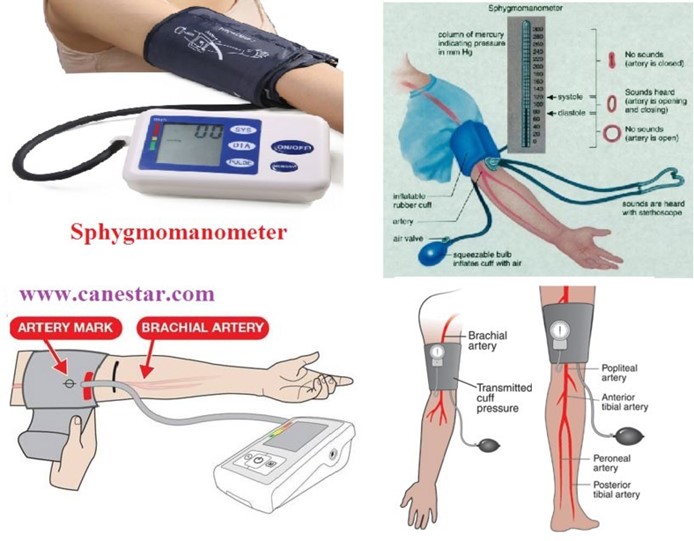
A nurse is preparing to check a client's blood pressure. Which of the following actions should the nurse take?
A. Use a cuff with a width that is about 60% of the client's arm circumference.
When checking a client's blood pressure, the nurse should use a cuff with a width that is about 60% of the client's arm circumference. This will help to ensure that the cuff fits properly and provides an accurate reading. Options b, c, and d are not correct. The cuff should be applied over the client's brachial artery, which is located in the antecubital fossa. The client should sit with their arm resting at the level of their heart, not above it. The pressure on the client's arm should be released at a rate of 2 to 3 mm per second, not 5 to 6 mm per second.
B. Apply the cuff above the client's antecubital fossa.
C. Have the client sit with his arm resting above the level of his heart.
D. Release the pressure on the client's arm 5 to 6 mm per second.
This question is an excerpt from Nurse Dive's nursing test bank - ATI RN Fundamentals 2019 with NGN - Proctored Exam 2. Take the full exam now
Full Explanation
When checking a client's blood pressure, the nurse should use a cuff with a width that is about 60% of the client's arm circumference. This will help to ensure that the cuff fits properly and provides an accurate reading.
Options b, c, and d are not correct. The cuff should be applied over the client's brachial artery, which is located in the antecubital fossa. The client should sit with their arm resting at the level of their heart, not above it. The pressure on the client's arm should be released at a rate of 2 to 3 mm per second, not 5 to 6 mm per second.
Similar Questions
A nurse on a medical-surgical unit is caring for a client who reports difficulty sleeping at night. Which of the following findings should indicate to the nurse that the client has sleep deprivation?
A. Decreased judgment
Decreased judgment is a common sign of sleep deprivation. When a person is sleep deprived, their cognitive function can be impaired, leading to difficulty making decisions and exercising good judgment. Options b, c, and d are not necessarily indicative of sleep deprivation. Decreased activity can be a sign of many different conditions, including fatigue or depression. Increased reflexes and increased auditory alertness are not commonly associated with sleep deprivation.
B. Decreased activity
C. Increased reflexes
D. Increased auditory alertness
Full Explanation
Decreased judgment is a common sign of sleep deprivation. When a person is sleep deprived, their cognitive function can be impaired, leading to difficulty making decisions and exercising good judgment.
Options b, c, and d are not necessarily indicative of sleep deprivation. Decreased activity can be a sign of many different conditions, including fatigue or depression. Increased reflexes and increased auditory alertness are not commonly associated with sleep deprivation.
A nurse enters a client's room and discovers a smoldering fire in the drapes. After moving clients to a safe location, which of the following actions should the nurse take next?
A. Use an extinguisher to put out the fire.
B. Pull the fire alarm.
After moving clients to a safe location, the next action the nurse should take is to pull the fire alarm. This will alert others in the building to the presence of a fire and activate the building's fire suppression systems. Options a, c, and d are not the next actions the nurse should take. Using an extinguisher to put out the fire may be appropriate if the nurse has been trained to do so and if it is safe to do so. Closing the doors to client rooms can help to contain the spread of smoke and fire, but it is not the next action the nurse should take. Turning off electrical equipment in the room may help to prevent further ignition sources, but it is not the next action the nurse should take.
C. Close the doors to client rooms.
D. Turn off any electrical equipment in the room.
Full Explanation
After moving clients to a safe location, the next action the nurse should take is to pull the fire alarm. This will alert others in the building to the presence of a fire and activate the building's fire suppression systems.
Options a, c, and d are not the next actions the nurse should take. Using an extinguisher to put out the fire may be appropriate if the nurse has been trained to do so and if it is safe to do so. Closing the doors to client rooms can help to contain the spread of smoke and fire, but it is not the next action the nurse should take. Turning off electrical equipment in the room may help to prevent further ignition sources, but it is not the next action the nurse should take.
A nurse is caring for a client who is nauseated and unable to eat after taking an antibiotic. Identify the steps the nurse should take to address the client's nausea.
(Arrange the steps, placing them in the order of performance. Use all the steps.)
A. Determine the probability of intervention-related complications.
B. Review the potential benefits and consequences of each intervention.
C. Select an intervention that provides the greatest benefit and least risk.
D. Identify possible nursing interventions that address the client's nausea.
Full Explanation
When caring for a client who is nauseated and unable to eat after taking an antibiotic, the nurse should first identify possible nursing interventions that address the client's nausea. The nurse should then review the potential benefits and consequences of each intervention. The nurse should determine the probability of intervention-related complications. Finally, the nurse should select an intervention that provides the greatest benefit and least risk to the client.