
Nursing practice questions with comprehensive rationales
NurseDive Free Nursing Practice Question
A nurse is preparing to insert an IV catheter for a client following a right mastectomy.
Which of the following veins should the nurse select when initiating IV therapy?
A. The cephalic vein on the back of the right hand.
Choice A is wrong because it involves placing the IV catheter on the same side as the mastectomy.
B. The cephalic vein in the left distal forearm.
It is recommended that IVs are placed in the arm on the opposite side of your surgery, if possible.
C. The basilic vein in the right antecubital fossa.
Choice C is wrong because it involves placing the IV catheter on the same side as the mastectomy.
D. The radial vein on the left wrist.
Choice D is wrong because it involves placing the IV catheter on a vein that is not commonly used for IV therapy.
This question is an excerpt from Nurse Dive's nursing test bank - ATI RN Fundamentals 2019 with NGN Proctored Exam. Take the full exam now
Full Explanation
It is recommended that IVs are placed in the arm on the opposite side of your surgery, if possible.
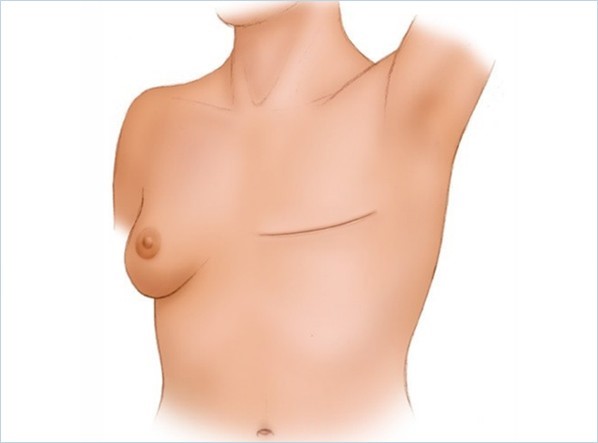
Choice A is wrong because it involves placing the IV catheter on the same side as the mastectomy.
Choice C is wrong because it involves placing the IV catheter on the same side as the mastectomy.
Choice D is wrong because it involves placing the IV catheter on a vein that is not commonly used for IV therapy.
Similar Questions
A nurse is planning care for a client who has a latex allergy and is scheduled for surgery. Which of the following actions is appropriate to include in the client's plan of care?
A. Remove the stopcocks from IV tubing.
Choice A is wrong because removing the stopcocks from IV tubing does not address the issue of latex allergy.
B. Cleanse the stoppers with povidone-iodine before withdrawing the medication.
Choice B is wrong because cleansing the stoppers with povidone-iodine before withdrawing medication does not address the issue of latex allergy.
C. Ensure the gloves in the surgical suite are powdered gloves.
Choice C is wrong because powdered gloves can contain latex and should be avoided for patients with a latex allergy.
D. Schedule the client as the first surgical procedure of the day.
Schedule the client as the first surgical procedure of the day. When scheduling a surgical procedure for a patient with a latex allergy, it is recommended to schedule them as the first case of the day.
Full Explanation
Schedule the client as the first surgical procedure of the day.
When scheduling a surgical procedure for a patient with a latex allergy, it is recommended to schedule them as the first case of the day.
Choice A is wrong because removing the stopcocks from IV tubing does not address the issue of latex allergy.
Choice B is wrong because cleansing the stoppers with povidone-iodine before withdrawing medication does not address the issue of latex allergy.
Choice C is wrong because powdered gloves can contain latex and should be avoided for patients with a latex allergy.
A nurse is caring for a client who is scheduled for surgery. While the nurse is witnessing the client's signature, the client states, "I trust my doctor, but I don't understand what is meant by resecting my intestines."
Which of the following actions should the nurse take?
A. Provide brochures about the procedure.
Choice A is wrong because providing brochures about the procedure may not be sufficient to address the client’s confusion or lack of understanding.
B. Complete an incident report.
Choice B is wrong because completing an incident report is not an appropriate action in this situation.
C. Notify the provider.
If a client expresses confusion or lack of understanding about a medical procedure, the nurse should notify the provider so that they can clarify any misunderstandings and ensure that the client is fully informed before giving their consent.
D. Describe the surgery to the client.
Choice D is wrong because it is the provider’s responsibility to ensure that the client fully understands the procedure and gives informed consent.
Full Explanation
If a client expresses confusion or lack of understanding about a medical procedure, the nurse should notify the provider so that they can clarify any misunderstandings and ensure that the client is fully informed before giving their consent.
Choice A is wrong because providing brochures about the procedure may not be sufficient to address the client’s confusion or lack of understanding.
Choice B is wrong because completing an incident report is not an appropriate action in this situation.
Choice D is wrong because it is the provider’s responsibility to ensure that the client fully understands the procedure and gives informed consent.
A nurse is performing postural drainage with percussion and vibration for a client who has cystic fibrosis.
Which of the following actions should the nurse take?
A. Cover the area of percussion with a towel.
This is because chest percussion uses clapping of the chest using a cupped hand to vibrate the airways of the lungs and move and break apart the mucus inside the lungs. Covering the area of percussion with a towel can help to reduce discomfort during the procedure.
B. Schedule postural drainage after meals.
Choice B is wrong because postural drainage should not be scheduled after meals. It is best to schedule postural drainage before meals or at least 1-2 hours after meals to prevent discomfort or vomiting.
C. Instruct the client to exhale quickly during vibration.
Choice D is wrong because, during vibration, the client should inhale deeply and exhale slowly.
D. Perform percussion over the lower back.
Choice C is wrong because percussion should not be performed over the lower back. It should be performed over the chest and back, avoiding areas such as the spine and breastbone.
Full Explanation
This is because chest percussion uses clapping of the chest using a cupped hand to vibrate the airways of the lungs and move and break apart the mucus inside the lungs.
Covering the area of percussion with a towel can help to reduce discomfort during the procedure.
Choice B is wrong because postural drainage should not be scheduled after meals.
It is best to schedule postural drainage before meals or at least 1-2 hours after meals to prevent discomfort or vomiting.
Choice C is wrong because, during vibration, the client should inhale deeply and exhale slowly.
Choice D is wrong because percussion should not be performed over the lower back.
It should be performed over the chest and back, avoiding areas such as the spine and breastbone.