Nursing practice questions with comprehensive rationales
NurseDive Free Nursing Practice Question
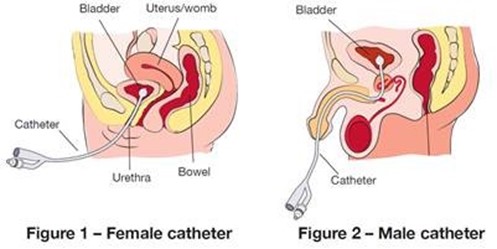
A nurse is preparing to perform a urinary catheterization to obtain a urine specimen for a client. The client tells the nurse that she is concerned about her privacy during the procedure. Which of the following actions should the nurse take to alleviate the client's concern?
A. Explain the procedure to the client.
Option A may also be helpful in alleviating the client's concern by providing information about the procedure.
B. Gather the equipment necessary before starting the procedure.
Option B may also be helpful in ensuring that the procedure is performed efficiently.
C. Obtain assistance so the client does not become resistant to the procedure.
Option C may not be necessary if the client is not resistant to the procedure.
D. Close the door and cover the client during the procedure.
If a client is concerned about her privacy during a urinary catheterization procedure, the nurse should close the door and cover the client during the procedure. This action helps to maintain the client's privacy and dignity.
This question is an excerpt from Nurse Dive's nursing test bank - ATI PN Medical Surgical Leadership Proctored Exam. Take the full exam now
Full Explanation
If a client is concerned about her privacy during a urinary catheterization procedure, the nurse should close the door and cover the client during the procedure. This action helps to maintain the client's privacy and dignity.
Option A may also be helpful in alleviating the client's concern by providing information about the procedure.
Option B may also be helpful in ensuring that the procedure is performed efficiently.
Option C may not be necessary if the client is not resistant to the procedure.
Similar Questions
A staff nurse suspects that a newly licensed nurse is chemically impaired. Which of the following actions should the staff nurse take?
A. Examine unit narcotic records.
Option A may be necessary at some point, but it should not be the first response.
B. Arrange transportation home for the newly licensed nurse.
Option B may also be necessary at some point, but it does not address the underlying issue.
C. Confront the newly licensed nurse regarding her behavior.
Option C may not be appropriate as it may not be within the staff nurse's scope of practice to confront the newly licensed nurse regarding her behavior.
D. Notify the charge nurse of the situation.
If a staff nurse suspects that a newly licensed nurse is chemically impaired, the staff nurse should notify the charge nurse of the situation. The charge nurse can then take appropriate action to address the situation and ensure patient safety.
Full Explanation
If a staff nurse suspects that a newly licensed nurse is chemically impaired, the staff nurse should notify the charge nurse of the situation. The charge nurse can then take appropriate action to address the situation and ensure patient safety.
Option A may be necessary at some point, but it should not be the first response.
Option B may also be necessary at some point, but it does not address the underlying issue.
Option C may not be appropriate as it may not be within the staff nurse's scope of practice to confront the newly licensed nurse regarding her behavior.
A charge nurse in a long-term care facility reviews client outcomes when delegating tasks to assistive personnel (AP) with a newly licensed nurse. Which of the following statements should the charge nurse include in the teaching?
A. "The AP should document the client's outcome for a delegated task."
Option A is incorrect because it is not the AP's responsibility to document the client's outcome for a delegated task.
B. "The final step in delegation is evaluation of the outcomes."
The charge nurse should include the statement "The final step in delegation is evaluation of the outcomes" in the teaching. This is because it is important for the nurse to evaluate the outcomes of delegated tasks to ensure that they have been completed correctly and that the client's needs have been met.
C. "A delegated task does not require predictable outcomes."
Option C is incorrect because a delegated task should have predictable outcomes.
D. "The nurse gives up accountability for client outcomes when care is delegated."
Option D is incorrect because the nurse does not give up accountability for client outcomes when care is delegated. The nurse remains accountable for ensuring that the delegated task is completed correctly and that the client's needs are met.
Full Explanation
The charge nurse should include the statement "The final step in delegation is evaluation of the outcomes" in the teaching. This is because it is important for the nurse to evaluate the outcomes of delegated tasks to ensure that they have been completed correctly and that the client's needs have been met.
Option A is incorrect because it is not the AP's responsibility to document the client's outcome for a delegated task.
Option C is incorrect because a delegated task should have predictable outcomes.
Option D is incorrect because the nurse does not give up accountability for client outcomes when care is delegated. The nurse remains accountable for ensuring that the delegated task is completed correctly and that the client's needs are met.
A charge nurse in a long-term care facility checks with other nursing personnel on the unit throughout the day to determine if they are completing tasks. Which of the following rights of delegation is the nurse demonstrating?
A. Right supervision
The charge nurse is demonstrating the right of supervision by checking with other nursing personnel on the unit throughout the day to determine if they are completing tasks. This means that the charge nurse is providing appropriate supervision and monitoring of the delegated tasks to ensure that they are being completed correctly and that the client's needs are being met.
B. Right circumstances
Option B is incorrect because it refers to ensuring that the circumstances are appropriate for delegation.
C. Right person
Option C is incorrect because it refers to delegating tasks to the right person who has the appropriate skills and knowledge to complete them.
D. Right communication
Option D is incorrect because it refers to clear communication between the delegator and delegatee about the task being delegated.
Full Explanation
The charge nurse is demonstrating the right of supervision by checking with other nursing personnel on the unit throughout the day to determine if they are completing tasks. This means that the charge nurse is providing appropriate supervision and monitoring of the delegated tasks to ensure that they are being completed correctly and that the client's needs are being met.
Option B is incorrect because it refers to ensuring that the circumstances are appropriate for delegation.
Option C is incorrect because it refers to delegating tasks to the right person who has the appropriate skills and knowledge to complete them.
Option D is incorrect because it refers to clear communication between the delegator and delegatee about the task being delegated.