
Nursing practice questions with comprehensive rationales
NurseDive Free Nursing Practice Question
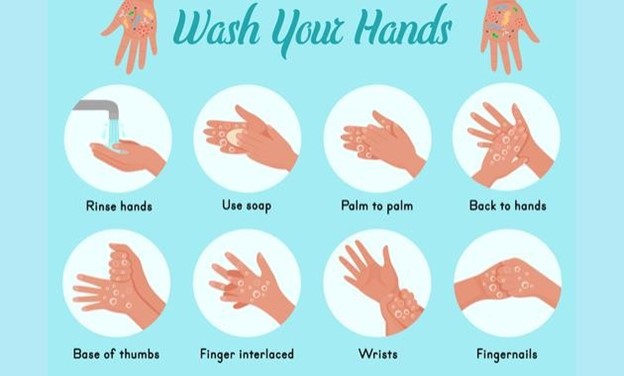
A nurse is preparing to perform hand hygiene. Which of the following actions should the nurse take?
A. Rub hands and arms to dry.
Rubbing hands and arms to dry is not the correct action for hand hygiene. After applying soap, hands should be rinsed thoroughly with water and then dried using a clean towel or air dryer.
B. Adjust the water temperature to feel hot.
Adjusting the water temperature to feel hot is not recommended for hand hygiene.Water that is too hot can be uncomfortable and may even cause skin irritation. The water should be comfortably warm.
C. Apply 4 to 5 mL of liquid soap to the hands.
Applying 4 to 5 mL of liquid soap to the hands is the correct action. This provides an adequate amount of soap to create a good lather for effective handwashing.
D. Hold the hands higher than the elbows.
Holding the hands higher than the elbows is not a necessary step for hand hygiene.The focus should be on thoroughly cleaning the hands, not on the position of the hands in relation to the elbows.
This question is an excerpt from Nurse Dive's nursing test bank - RN Ati fundamental of nursing proctored exam. Take the full exam now
Full Explanation
A. Rubbing hands and arms to dry is not the correct action for hand hygiene. After applying soap, hands should be rinsed thoroughly with water and then dried using a clean towel or air dryer.
B. Adjusting the water temperature to feel hot is not recommended for hand hygiene.
Water that is too hot can be uncomfortable and may even cause skin irritation. The water should be comfortably warm.
C. Applying 4 to 5 mL of liquid soap to the hands is the correct action. This provides an adequate amount of soap to create a good lather for effective handwashing.
D. Holding the hands higher than the elbows is not a necessary step for hand hygiene.
The focus should be on thoroughly cleaning the hands, not on the position of the hands in relation to the elbows.
Similar Questions
A nurse is teaching a client who has constipation. Which of the following should the nurse discuss as causes of constipation? (Select all that apply.)
A. Increased fiber in the diet
Increased fiber in the diet is not a cause of constipation, but rather a preventive measure that can help promote regular bowel movements by adding bulk and softness to the stool.
B. Ignoring the urge to defecate
Ignoring the urge to defecate is a cause of constipation, as it can lead to hardening and accumulation of fecal matter in the colon, resulting in difficulty and pain during defecation.
C. Inadequate fluid intake
Inadequate fluid intake is a cause of constipation, as it can contribute to dehydration and reduced stool moisture, making it harder and drier to pass.
D. Increased activity
Increased activity is not a cause of constipation, but rather a beneficial factor that can stimulate intestinal motility and facilitate bowel elimination.
E. Excessive laxative use
Excessive laxative use is a cause of constipation, as it can interfere with the normal functioning of the colon and cause dependence, leading to decreased bowel tone and reduced peristalsis.
Full Explanation
A. Increased fiber in the diet is not a cause of constipation, but rather a preventive measure that can help promote regular bowel movements by adding bulk and softness to the stool.
B. Ignoring the urge to defecate is a cause of constipation, as it can lead to hardening and accumulation of fecal matter in the colon, resulting in difficulty and pain during defecation.
C. Inadequate fluid intake is a cause of constipation, as it can contribute to dehydration and reduced stool moisture, making it harder and drier to pass.
D. Increased activity is not a cause of constipation, but rather a beneficial factor that can stimulate intestinal motility and facilitate bowel elimination.
E. Excessive laxative use is a cause of constipation, as it can interfere with the normal functioning of the colon and cause dependence, leading to decreased bowel tone and reduced peristalsis.
A nurse in a clinic is interviewing a client who will undergo diagnostic testing The nurse should ask about a client's potential allerges during which phase of the nursing process?
A. Assessment
During the Assessment phase, the nurse gathers information about the client's health status, including any potential allergies. This information is crucial for planning safe and effective care.
B. Planning
The Planning phase involves developing a care plan based on the assessment data.While allergies are an important consideration in planning care, they are first identified during the assessment phase.
C. Implementation
The Implementation phase involves carrying out the care plan. While it is important to be aware of allergies during this phase to ensure the safe administration of treatments, the initial identification of allergies occurs in the assessment phase.
D. Evaluation
The Evaluation phase involves assessing the client's response to interventions and determining if goals have been met. While allergies are relevant in evaluating the client's response to certain treatments, they are initially identified during the assessment phase.
Full Explanation
A. During the Assessment phase, the nurse gathers information about the client's health status, including any potential allergies. This information is crucial for planning safe and effective care.
B. The Planning phase involves developing a care plan based on the assessment data.
While allergies are an important consideration in planning care, they are first identified during the assessment phase.
C. The Implementation phase involves carrying out the care plan. While it is important to be aware of allergies during this phase to ensure the safe administration of treatments, the initial identification of allergies occurs in the assessment phase.
D. The Evaluation phase involves assessing the client's response to interventions and determining if goals have been met. While allergies are relevant in evaluating the client's response to certain treatments, they are initially identified during the assessment phase.
A nurse is caring for a client who refuses treatment and asks to be discharged from the hospital against medical advice. The nurse notifies the client's provider, who tells the nurse to restrain the client, if necessary, to keep her from leaving the hospital. The nurse understands that restraining this client would be considered which type of civil action by the nurse?
A. False imprisonment
False imprisonment occurs when a person is intentionally confined or restrained against their will, and they have not given consent. In this scenario, if the nurse restrains the client against her will, it would be considered false imprisonment.
B. Invasion of privacy
Invasion of privacy involves intruding into a person's private affairs, disclosing private information, or using their name or likeness without their consent. This option is not applicable in this scenario.
C. Assault
Assault is the intentional threat of causing harm to another person, which creates a reasonable fear of imminent harmful or offensive contact. It involves the apprehension of harm, but not the actual physical act.
D. Battery
Battery is the intentional harmful or offensive touching of another person without their consent. It involves the actual physical act of touching.
Full Explanation
A. False imprisonment occurs when a person is intentionally confined or restrained against their will, and they have not given consent. In this scenario, if the nurse restrains the client against her will, it would be considered false imprisonment.
B. Invasion of privacy involves intruding into a person's private affairs, disclosing private information, or using their name or likeness without their consent. This option is not applicable in this scenario.
C. Assault is the intentional threat of causing harm to another person, which creates a reasonable fear of imminent harmful or offensive contact. It involves the apprehension of harm, but not the actual physical act.
D. Battery is the intentional harmful or offensive touching of another person without their consent. It involves the actual physical act of touching.