
Nursing practice questions with comprehensive rationales
NurseDive Free Nursing Practice Question
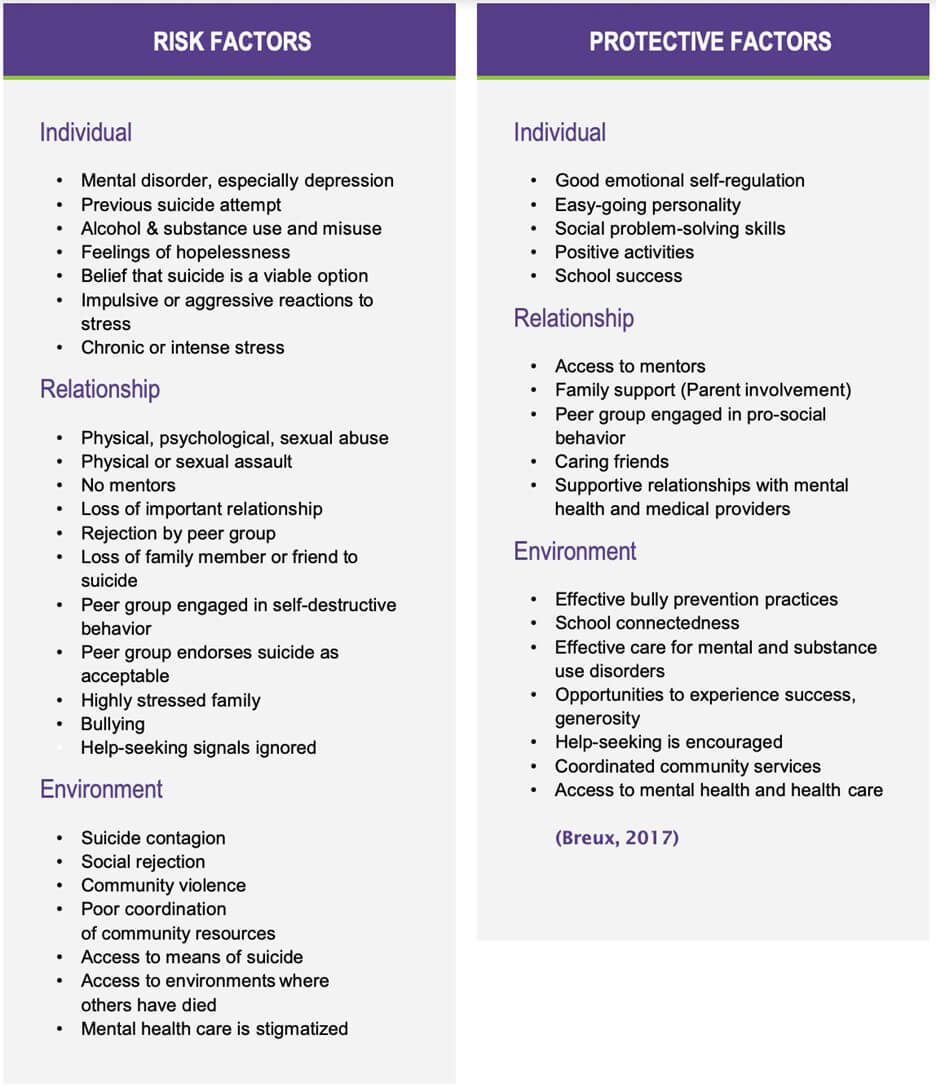
A nurse is providing a community health education class about suicide prevention. Which of the following should the nurse identify as risk factors for suicide? (Select all that apply).
A. Female gender
While the risk of attempted suicide is generally higher in females, completed suicide rates are higher in males. Therefore, being female is not typically considered a primary risk factor for suicide, though it's important to note that both genders require attention for prevention.
B. Currently married
Being married is generally considered a protective factor against suicide. Social support and close relationships tend to reduce the risk of suicidal behavior.
C. Age greater than 45 years old
Suicide risk tends to increase with age, particularly for men. Individuals over 45, especially those facing chronic illness, social isolation, or significant life changes, are at higher risk.
D. Substance use disorder
Substance use disorder is a significant risk factor for suicide. Substance abuse can contribute to feelings of hopelessness and despair, impair judgment, and lower inhibitions, increasing the likelihood of suicidal behavior.
E. Schizophrenia: Correct
Schizophrenia is a mental disorder associated with an increased risk of suicide. The symptoms of schizophrenia, such as hallucinations, delusions, and feelings of isolation, can contribute to severe distress and increase the risk of suicidal ideation and behaviors.
This question is an excerpt from Nurse Dive's nursing test bank - ATI Mental Health Proctored Exam. Take the full exam now
Full Explanation
A. Female gender: Incorrect
While the risk of attempted suicide is generally higher in females, completed suicide rates are higher in males. Therefore, being female is not typically considered a primary risk factor for suicide, though it's important to note that both genders require attention for prevention.
B. Currently married: Incorrect
Being married is generally considered a protective factor against suicide. Social support and close relationships tend to reduce the risk of suicidal behavior.
C. Age greater than 45 years old: correct
Suicide risk tends to increase with age, particularly for men. Individuals over 45, especially those facing chronic illness, social isolation, or significant life changes, are at higher risk.
D. Substance use disorder: Correct
Substance use disorder is a significant risk factor for suicide. Substance abuse can contribute to feelings of hopelessness and despair, impair judgment, and lower inhibitions, increasing the likelihood of suicidal behavior.
E. Schizophrenia: Correct
Schizophrenia is a mental disorder associated with an increased risk of suicide. The symptoms of schizophrenia, such as hallucinations, delusions, and feelings of isolation, can contribute to severe distress and increase the risk of suicidal ideation and behaviors.
Similar Questions
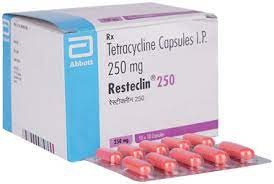
A nurse is caring for a client who is prescribed tetracycline 2 grams daily PO in four divided doses every 6 hr. Available is tetracycline 250 mg capsules. How many capsules should the nurse administer per dose? (Round the answer to the nearest tenth. Use a leading zero if it applies. Do not use a trailing zero.)
Full Explanation
To calculate the number of capsules that the nurse should administer per dose, the nurse should first divide the total daily dose of tetracycline by the number of doses per day. This gives the dose per administration:
2 grams / 4 doses = 0.5 grams per dose
Next, the nurse should convert the dose from grams to milligrams, since the available capsules are in milligrams. There are 1000 milligrams in one gram, so the nurse should multiply the dose by 1000:
0.5 grams x 1000 mg/g = 500 mg per dose
Finally, the nurse should divide the dose in milligrams by the strength of each capsule, which is 250 mg. This gives the number of capsules that the nurse should administer per dose:
500 mg / 250 mg/capsule = 2 capsules per dose
Therefore, the nurse should administer 2 capsules of tetracycline every 6 hours to the client.
A nurse is caring for a client who has schizophrenia and is experiencing a variety of hallucinations. Which of the following hallucinations is the priority for the nurse to address?
A. Tactile hallucination
Tactile hallucinations involve false sensations of touch, such as feeling something on the skin that isn't there. While these hallucinations can be distressing, they are not typically considered a priority over other types of hallucinations, especially those that might pose more immediate risks.
B. Command hallucination
Command hallucinations involve hearing voices that command the individual to take specific actions, often harmful ones. These types of hallucinations are considered a significant priority because they can lead to dangerous behaviors, self-harm, or harm to others. Addressing and managing command hallucinations promptly is crucial to ensure the safety of the individual and those around them
C. Visual hallucination
Visual hallucinations involve seeing things that aren't actually present. While these can be distressing, they are generally considered less urgent compared to command hallucinations, which can directly lead to risky actions.
D. Gustatory hallucination
Gustatory hallucinations involve false perceptions of taste. While these can be unsettling, they are not typically considered a priority over command hallucinations, which have a more immediate potential for harm.
Full Explanation
A. Tactile hallucination: Incorrect
Tactile hallucinations involve false sensations of touch, such as feeling something on the skin that isn't there. While these hallucinations can be distressing, they are not typically considered a priority over other types of hallucinations, especially those that might pose more immediate risks.
B. Command hallucination: Correct
Command hallucinations involve hearing voices that command the individual to take specific actions, often harmful ones. These types of hallucinations are considered a significant priority because they can lead to dangerous behaviors, self-harm, or harm to others. Addressing and managing command hallucinations promptly is crucial to ensure the safety of the individual and those around them.
C. Visual hallucination: Incorrect
Visual hallucinations involve seeing things that aren't actually present. While these can be distressing, they are generally considered less urgent compared to command hallucinations, which can directly lead to risky actions.
D. Gustatory hallucination: Incorrect
Gustatory hallucinations involve false perceptions of taste. While these can be unsettling, they are not typically considered a priority over command hallucinations, which have a more immediate potential for harm.
A nurse in an emergency department is caring for an adolescent client who reports being sexually assaulted just prior to admission. Which of the following actions should the nurse take?
A. Discuss self-defense techniques with the client.
While self-defense techniques can be useful information, discussing them immediately after a traumatic event like sexual assault may not be appropriate. The client's immediate needs for emotional support, medical evaluation, and safety are more pressing.
B. Give the client a bed bath prior to physical examination.
In cases of sexual assault, preserving evidence is important for legal purposes and for the client's well-being. Providing a bed bath could potentially compromise evidence and hinder a thorough examination by healthcare professionals.
C. Inform the client photographs of injuries are required for a police report.
Preserving evidence is crucial in cases of sexual assault, especially if the client intends to involve law enforcement. Informing the client about the importance of photographs for a police report is appropriate and can contribute to a potential legal investigation.
D. Ask the client to describe the situation.
It's important to encourage the client to share their experience, but it should be done in a sensitive and supportive manner. Gathering information about the situation can help the healthcare team understand the scope of the assault, provide appropriate medical care, and offer necessary emotional support.
Full Explanation
A. Discuss self-defense techniques with the client: Incorrect
While self-defense techniques can be useful information, discussing them immediately after a traumatic event like sexual assault may not be appropriate. The client's immediate needs for emotional support, medical evaluation, and safety are more pressing.
B. Give the client a bed bath prior to physical examination: Incorrect
In cases of sexual assault, preserving evidence is important for legal purposes and for the client's well-being. Providing a bed bath could potentially compromise evidence and hinder a thorough examination by healthcare professionals.
C. Inform the client photographs of injuries are required for a police report: Correct
Preserving evidence is crucial in cases of sexual assault, especially if the client intends to involve law enforcement. Informing the client about the importance of photographs for a police report is appropriate and can contribute to a potential legal investigation.
D. Ask the client to describe the situation: Correct
It's important to encourage the client to share their experience, but it should be done in a sensitive and supportive manner. Gathering information about the situation can help the healthcare team understand the scope of the assault, provide appropriate medical care, and offer necessary emotional support.