Nursing practice questions with comprehensive rationales
NurseDive Free Nursing Practice Question
A nurse is providing discharge teaching for a client who has a new implantable cardioverter defibrillator (ICD). Which of the following client statements demonstrates understanding of the teaching?
A. "I will avoid using my microwave oven at home because of the ICD."
"I will avoid using my microwave oven at home because of the ICD."This statement is incorrect. Using a microwave oven does not interfere with the functioning of an ICD. It is safe for clients with ICDs to use microwave ovens.
B. "I can hold my cell phone on the same side of my body as the ICD."
"I can hold my cell phone on the same side of my body as the ICD."This statement is incorrect Holding a cell phone on the same side of the body as the ICD should not cause any harm or interfere with the device's functioning.
C. "I will wear loose clothing over my ICD
"I will wear loose clothing over my ICD." This statement is correct and demonstrates understanding of the teaching. Wearing loose clothing over the ICD helps prevent excessive pressure or friction on the device and reduces the risk of dislodging the ICD leads or causing discomfort.
D. "I will soak in the tub rather than showering."
"I will soak in the tub rather than showering." This statement is incorrect. Avoiding showers is not necessary for clients with ICDs. Taking showers is generally safe for individuals with ICDs, as the device is designed to be waterproof and withstand such conditions.
This question is an excerpt from Nurse Dive's nursing test bank - PN Comprehensive Predictor 2023 Proctored Exam. Take the full exam now
Full Explanation
Choice A reason:
"I will avoid using my microwave oven at home because of the ICD."This statement is incorrect. Using a microwave oven does not interfere with the functioning of an ICD. It is safe for clients with ICDs to use microwave ovens.
Choice B reason:
"I can hold my cell phone on the same side of my body as the ICD."This statement is incorrect Holding a cell phone on the same side of the body as the ICD should not cause any harm or interfere with the device's functioning.
Choice C reason:
"I will wear loose clothing over my ICD." This statement is correct and demonstrates understanding of the teaching. Wearing loose clothing over the ICD helps prevent excessive pressure or friction on the device and reduces the risk of dislodging the ICD leads or causing discomfort.
Choice D reason:
"I will soak in the tub rather than showering." This statement is incorrect. Avoiding showers is not necessary for clients with ICDs. Taking showers is generally safe for individuals with ICDs, as the device is designed to be waterproof and withstand such conditions.
Similar Questions
A nurse is assessing a child who has bacterial pneumonia. Which of the following manifestations should the nurse expect?
A. Arch
Arching should not be expected. Arching of the body is not a typical manifestation of bacterial pneumonia. It may be seen in infants with certain conditions such as abdominal pain or neurologic issues, but it is not specific to pneumonia.
B. Drooling
Drooling should not be expected. Drooling is not a common manifestation of bacterial pneumonia. It may be seen in certain conditions affecting the throat or mouth, but it is not directly related to pneumonia.
C. Fever
Fever is the correct answer. Bacterial pneumonia is an infection in the lungs caused by bacteria. When a child has bacterial pneumonia, their body's immune system responds to the infection, leading to inflammation and fever.
D. Steatorrhea
Steatorrhea should not be expected. Steatorrhea refers to fatty, bulky, and foul-smelling stools and is not associated with bacterial pneumonia. Steatorrhea may be seen in conditions affecting the gastrointestinal system and fat absorption.
Full Explanation
Choice A reason:
Arching should not be expected. Arching of the body is not a typical manifestation of bacterial pneumonia. It may be seen in infants with certain conditions such as abdominal pain or neurologic issues, but it is not specific to pneumonia.
Choice B reason:
Drooling should not be expected. Drooling is not a common manifestation of bacterial pneumonia. It may be seen in certain conditions affecting the throat or mouth, but it is not directly related to pneumonia.
Choice C reason:
Fever is the correct answer. Bacterial pneumonia is an infection in the lungs caused by bacteria. When a child has bacterial pneumonia, their body's immune system responds to the infection, leading to inflammation and fever.
Choice D reason:
Steatorrhea should not be expected. Steatorrhea refers to fatty, bulky, and foul-smelling stools and is not associated with bacterial pneumonia. Steatorrhea may be seen in conditions affecting the gastrointestinal system and fat absorption.
Choice E reason:
Tinnitus should not be expected. Tinnitus is the perception of noise or ringing in the ears and is not a typical manifestation of bacterial pneumonia. Tinnitus can be associated with various ear-related conditions or medication side effects, but it is not directly related to pneumonia.
A nurse is providing teaching to a client who is undergoing radiation therapy and has stomatitis. Which of the following responses by the client indicates an understanding of the teaching?
A. “I should gargle with an alcohol-based mouthwash to kill germs."
"I should gargle with an alcohol-based mouthwash to kill germs”. This statement is not appropriate. Using an alcohol-based mouthwash is not recommended for a client with stomatitis. Alcohol can be irritating to the already inflamed mucous membranes and may worsen the condition. Instead, the client should use a mild, non-alcohol-based mouthwash or rinse as prescribed by the healthcare provider.
B. “I should limit my intake of dairy products to prevent nausea."
I should limit my intake of dairy products to prevent nausea." This statement is not appropriate. While some clients may experience nausea during radiation therapy, limiting dairy products is not specifically related to stomatitis management. The client should follow any dietary recommendations provided by the healthcare provider or a registered dietitian to address nausea or other dietary concerns.
C. "I should moisten my lips with lemon-glycerine swabs."
I should moisten my lips with lemon-glycerine swabs." This is incorrect because lemon-glycerine swabs can be drying and irritating to the oral mucosa, which may exacerbate stomatitis symptoms. Instead, using a gentle, non-irritating lip balm or petroleum jelly is preferred.
D. “I should use a soft-bristle toothbrush to clean my teeth after meals."
"I should use a soft-bristle toothbrush to clean my teeth after meals. “This response indicates an understanding of the teaching because a soft-bristle toothbrush is gentle on the gums and oral tissues, which is important for a client with stomatitis, as it helps to minimize irritation and injury.
Full Explanation
Choice A reason:
"I should gargle with an alcohol-based mouthwash to kill germs”. This statement is not appropriate. Using an alcohol-based mouthwash is not recommended for a client with stomatitis. Alcohol can be irritating to the already inflamed mucous membranes and may worsen the condition. Instead, the client should use a mild, non-alcohol-based mouthwash or rinse as prescribed by the healthcare provider.
Choice B option
"I should limit my intake of dairy products to prevent nausea." This statement is not appropriate. While some clients may experience nausea during radiation therapy, limiting dairy products is not specifically related to stomatitis management. The client should follow any dietary recommendations provided by the healthcare provider or a registered dietitian to address nausea or other dietary concerns.
Choice C option
"I should moisten my lips with lemon-glycerine swabs." This is incorrect because lemon-glycerine swabs can be drying and irritating to the oral mucosa, which may exacerbate stomatitis symptoms. Instead, using a gentle, non-irritating lip balm or petroleum jelly is preferred.
Choice D option
"I should use a soft-bristle toothbrush to clean my teeth after meals." This response indicates an understanding of the teaching because a soft-bristle toothbrush is gentle on the gums and oral tissues, which is important for a client with stomatitis, as it helps to minimize irritation and injury.
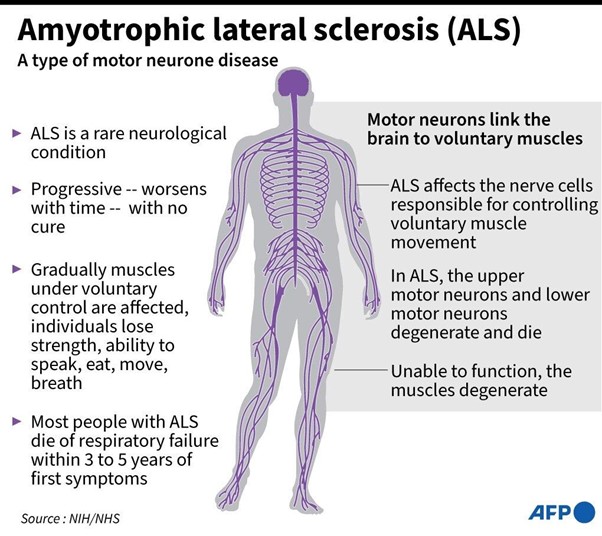
A nurse is updating the plan of care for a client who has amyotrophic lateral sclerosis with dysphagia. Which of the following interprofessional team members should the nurse identify as the priority to consult?
A. Dietitian
Dietitian should not be consulted: The dietitian is an essential team member and will work closely with the client to ensure proper nutrition and dietary management. However, in the context of dysphagia, the speech-language pathologist's expertise is needed to determine safe swallowing strategies and food modifications.
B. Physical therapist
Physical therapist should not be consulted: The physical therapist focuses on maintaining and improving the client's physical function and mobility. While important in ALS management, the physical therapist's role is not directly related to the immediate issue of dysphagia.
C. Speech-language pathologist
The speech-language pathologist is the correct answer because it specializes in assessing and treating communication and swallowing disorders. In this case, the speech-language pathologist is essential in evaluating the client's swallowing function, recommending appropriate dietary modifications (texture and consistency of foods), and implementing swallowing exercises or strategies to improve swallowing safety.
D. Occupational therapist
Occupational therapist should not be consulted: The occupational therapist assists clients in regaining or maintaining independence in daily living activities. While the occupational therapist may address some aspects of mealtime activities and adaptive strategies, the speech-language pathologist is more specialized in evaluating and treating swallowing difficulties in clients with ALS.
Full Explanation
Choice A option:
Dietitian should not be consulted: The dietitian is an essential team member and will work closely with the client to ensure proper nutrition and dietary management. However, in the context of dysphagia, the speech-language pathologist's expertise is needed to determine safe swallowing strategies and food modifications.
Choice B option:
Physical therapist should not be consulted: The physical therapist focuses on maintaining and improving the client's physical function and mobility. While important in ALS management, the physical therapist's role is not directly related to the immediate issue of dysphagia.
Choice C option:
The speech-language pathologist is the correct answer because it specializes in assessing and treating communication and swallowing disorders. In this case, the speech-language pathologist is essential in evaluating the client's swallowing function, recommending appropriate dietary modifications (texture and consistency of foods), and implementing swallowing exercises or strategies to improve swallowing safety.
Choice D option:
Occupational therapist should not be consulted: The occupational therapist assists clients in regaining or maintaining independence in daily living activities. While the occupational therapist may address some aspects of mealtime activities and adaptive strategies, the speech-language pathologist is more specialized in evaluating and treating swallowing difficulties in clients with ALS.