
Nursing practice questions with comprehensive rationales
NurseDive Free Nursing Practice Question
A nurse is providing discharge teaching to a client who had a bilateral orchiectomy.
The nurse should instruct the client to expect which of the following symptoms?
A. Increased libido
Increased libido is unlikely due to the loss of testosterone production.
B. Hypoglycemia
Hypoglycemia is not directly related to the surgical procedure.
C. Hot flashes
Bilateral orchiectomy, the surgical removal of both testicles, results in a sudden decrease in testosterone levels, which can lead to symptoms such as hot flashes, similar to those experienced during menopause.
D. Increased muscle mass
Increased muscle mass is associated with testosterone production, which would decrease following bilateral orchiectomy.
This question is an excerpt from Nurse Dive's nursing test bank - Ati Rn Adult Med Surg 2023 Proctored Exam. Take the full exam now
Full Explanation
A. Increased libido is unlikely due to the loss of testosterone production.
B. Hypoglycemia is not directly related to the surgical procedure.
C. Bilateral orchiectomy, the surgical removal of both testicles, results in a sudden decrease in testosterone levels, which can lead to symptoms such as hot flashes, similar to those experienced during menopause.
D. Increased muscle mass is associated with testosterone production, which would decrease following bilateral orchiectomy.
Similar Questions
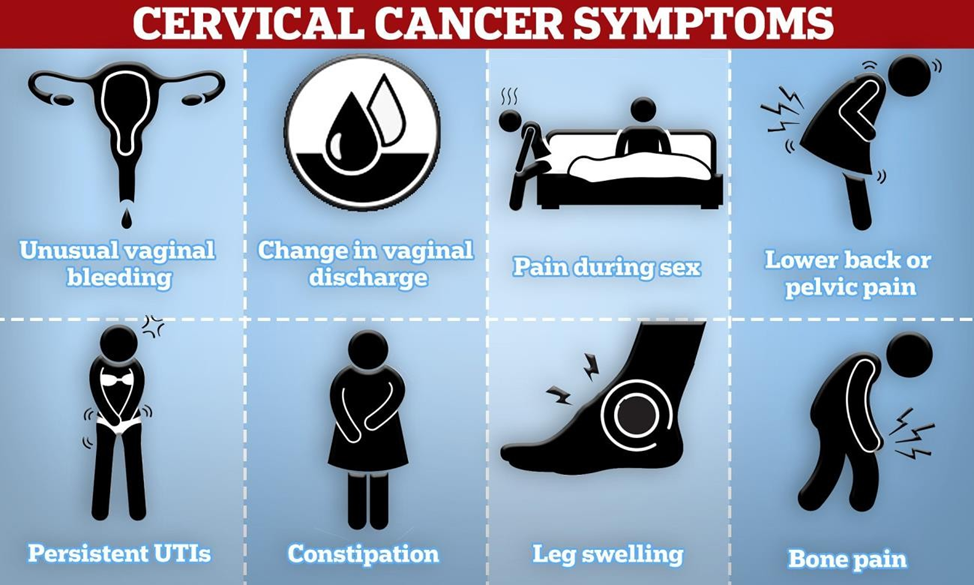
A nurse working in an outpatient clinic is planning a community education program about reproductive cancers. The nurse should identify which of the following manifestations as a possible indication of cervical cancer?
A. Frequent diarrhea
Frequent diarrhea is not typically associated with cervical cancer.
B. Urinary hesitancy
Urinary hesitancy is more commonly associated with prostate issues in males rather than cervical cancer in females.
C. Unexplained weight gain
Unexplained weight gain is not typically a symptom of cervical cancer.
D. Painless vaginal bleeding
Painless vaginal bleeding, especially after intercourse or between periods, can be a sign of cervical cancer. It's essential for individuals to seek medical evaluation if they experience any abnormal bleeding.
Full Explanation
A. Frequent diarrhea is not typically associated with cervical cancer.
B. Urinary hesitancy is more commonly associated with prostate issues in males rather than cervical cancer in females.
C. Unexplained weight gain is not typically a symptom of cervical cancer.
D. Painless vaginal bleeding, especially after intercourse or between periods, can be a sign of cervical cancer. It's essential for individuals to seek medical evaluation if they experience any abnormal bleeding.
A nurse is caring for a client who has cervical cancer and is receiving brachytherapy.
Which of the following actions should the nurse take?
A. Limit time for visitors to 2 hr per day.
Limiting time for visitors is necessary in this case. However, the time should be limited to 1 hour in 24 hours and not 2 hours.
B. Instruct visitors to remain 6 feet from the client.
Instructing visitors to remain 6 feet from the client is crucial for their safety to minimize radiation exposure. Brachytherapy involves the use of a radioactive source placed close to or inside the tumor, and while the patient is emitting radiation, safety precautions must be taken to protect others from exposure. Safety measures such as maintaining a safe distance help ensure that the radiation exposure to others is As Low As Reasonably Achievable (ALARA), a principle that aims to minimize exposure while achieving the necessary therapeutic effect.
C. Discard the radioactive device in the client's trash can.
Discarding the radioactive device in the client's trash can is incorrect as it poses a risk of exposure to others.
D. Keep soiled bed linens in the client's room.
Keeping soiled bed linens in the client's room is incorrect as they may be contaminated with radiation and should be handled according to radiation safety protocols.
E. Keep soiled bed linens in the client's room.
Full Explanation
A) Limiting time for visitors is necessary in this case. However, the time should be limited to 1 hour in 24 hours and not 2 hours.
B) Instructing visitors to remain 6 feet from the client is crucial for their safety to minimize radiation exposure. Brachytherapy involves the use of a radioactive source placed close to or inside the tumor, and while the patient is emitting radiation, safety precautions must be taken to protect others from exposure. Safety measures such as maintaining a safe distance help ensure that the radiation exposure to others is As Low As Reasonably Achievable (ALARA), a principle that aims to minimize exposure while achieving the necessary therapeutic effect.
C) Discarding the radioactive device in the client's trash can is incorrect as it poses a risk of exposure to others.
D) Keeping soiled bed linens in the client's room is incorrect as they may be contaminated with radiation and should be handled according to radiation safety protocols.
A client who is deaf and communicates using sign language is being admitted by a nurse who does not know sign language. Which of the following actions should the nurse take?
A. Obtain a board that uses colored pictures as communication.
Using a communication board with colored pictures might not effectively facilitate communication for someone who primarily uses sign language.
B. Request an interpreter during the initial assessment.
Requesting an interpreter during the initial assessment ensures effective communication between the nurse and the client.
C. Familiarize themselves with commonly used signed language.
Familiarizing themselves with commonly used signed language may help the nurse in the long term but may not be feasible or effective during the immediate admission process.
D. Ask a family member to be present during the admission.
Asking a family member to be present during the admission may help but may not provide the necessary communication support for effective assessment and care.
Full Explanation
A) Using a communication board with colored pictures might not effectively facilitate communication for someone who primarily uses sign language.
B) Requesting an interpreter during the initial assessment ensures effective communication between the nurse and the client.
C) Familiarizing themselves with commonly used signed language may help the nurse in the long term but may not be feasible or effective during the immediate admission process.
D) Asking a family member to be present during the admission may help but may not provide the necessary communication support for effective assessment and care.