
Nursing practice questions with comprehensive rationales
NurseDive Free Nursing Practice Question
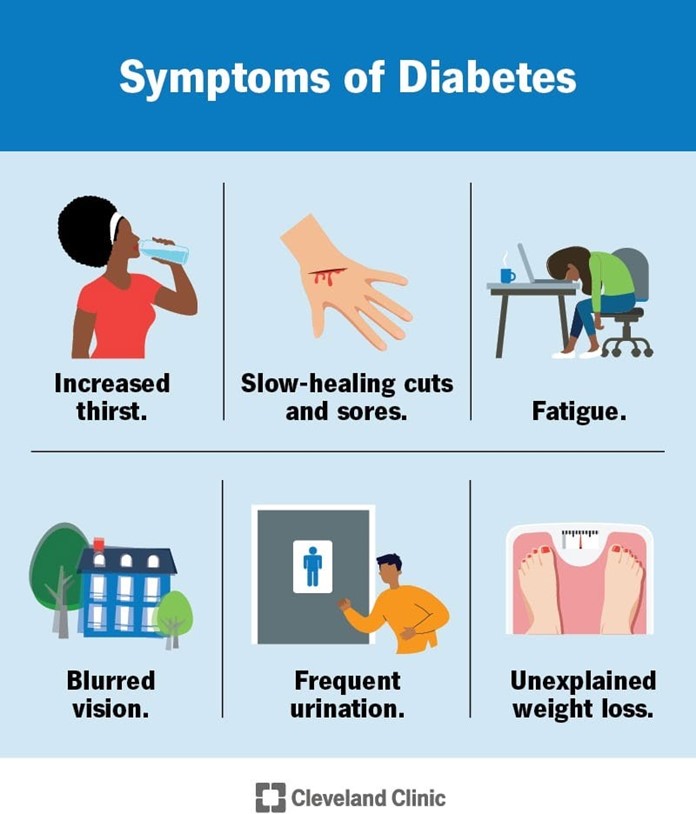
A nurse is providing instruction to a client who has diabetes mellitus about foot care. Which of the following statements by the client indicates an understanding of the teaching?
A. I will use a pumice stone to soften calluses on my feet.
B. I will go barefoot just in the house.
C. I can apply lotion to my feet if I avoid the area between my toes.
The correct answer is that the client can apply lotion to their feet if they avoid the area between their toes. Moisturizing the feet can help prevent dry skin and cracking, which are common problems for people with diabetes. However, it is important to avoid applying lotion between the toes, as this can create a moist environment that promotes the growth of fungus and bacteria¹. Options a, b and d are not correct statements by the client that indicate an understanding of proper foot care for diabetes. Using a pumice stone to soften calluses on the feet, going barefoot just in the house and using a heating pad when feet are cold are not recommended practices for people with diabetes.
D. I can use a heating pad when my feet are cold.
E. I can use a heating pad when my feet are cold.
This question is an excerpt from Nurse Dive's nursing test bank - ATI RN Fundamentals 2019 with NGN - Proctored Exam 2. Take the full exam now
Full Explanation
The correct answer is that the client can apply lotion to their feet if they avoid the area between their toes. Moisturizing the feet can help prevent dry skin and cracking, which are common problems for people with diabetes. However, it is important to avoid applying lotion between the toes, as this can create a moist environment that promotes the growth of fungus and bacteria¹.
Options a, b and d are not correct statements by the client that indicate an understanding of proper foot care for diabetes. Using a pumice stone to soften calluses on the feet, going barefoot just in the house and using a heating pad when feet are cold are not recommended practices for people with diabetes.
Similar Questions
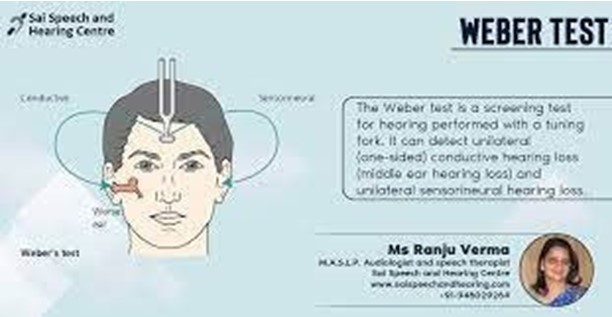
A nurse is testing a client for conduction deafness by performing the Weber's test. Which of the following actions should the nurse take when performing this test?
A. Place the base of a vibrating tuning fork on the top of the client's head.
The correct answer is that the nurse should place the base of a vibrating tuning fork on the top of the client's head when performing Weber's test. Weber's test is a screening test for hearing that can detect unilateral (one-sided. conductive hearing loss (middle ear hearing loss) and unilateral sensorineural hearing loss (inner ear hearing loss)². Options b, c and d are not correct actions for performing Weber's test. Counting how many seconds a client can hear a tuning fork after it has been struck, placing the base of a vibrating tuning fork on the client's mastoid process and moving a vibrating tuning fork in front of the client's ear canals one after the other are not part of Weber's test.
B. Count how many seconds a client can hear a tuning fork after it has been struck.
C. Place the base of a vibrating tuning fork on the client's mastoid process.
D. Move a vibrating tuning fork in front of the client's ear canals one after the other.
Full Explanation
The correct answer is that the nurse should place the base of a vibrating tuning fork on the top of the client's head when performing Weber's test. Weber's test is a screening test for hearing that can detect unilateral (one-sided. conductive hearing loss (middle ear hearing loss) and unilateral sensorineural hearing loss (inner ear hearing loss)².
Options b, c and d are not correct actions for performing Weber's test. Counting how many seconds a client can hear a tuning fork after it has been struck, placing the base of a vibrating tuning fork on the client's mastoid process and moving a vibrating tuning fork in front of the client's ear canals one after the other are not part of Weber's test.
A nurse is performing hand hygiene at the beginning of his shift. Which of the following actions should the nurse take?
A. Rub his hands together to cause friction for at least 10 seconds.
B. Turn off the faucet with a clean, dry paper towel.
The correct answer is that the nurse should turn off the faucet with a clean, dry paper towel when performing hand hygiene at the beginning of his shift. This helps to prevent recontamination of the hands by touching the faucet with clean hands. Options a, c and d are not correct actions for performing hand hygiene. Rubbing hands together to cause friction for at least 10 seconds, drying hands by working from the forearms down to the fingertips and keeping hands above elbow level when washing are not recommended practices for hand hygiene.
C. Dry his hands by working from the forearms down to the fingertips.
D. Keep his hands above elbow level when washing.
Full Explanation
The correct answer is that the nurse should turn off the faucet with a clean, dry paper towel when performing hand hygiene at the beginning of his shift. This helps to prevent recontamination of the hands by touching the faucet with clean hands.
Options a, c and d are not correct actions for performing hand hygiene. Rubbing hands together to cause friction for at least 10 seconds, drying hands by working from the forearms down to the fingertips and keeping hands above elbow level when washing are not recommended practices for hand hygiene.
A visitor reports to a nurse that she slipped and fell in a client's room. The visitor denies any injury, but is walking with a slight limp. Which of the following actions should the nurse take?
A. Administer acetaminophen to the client.
B. Complete an incident report.
The correct answer is that the nurse should complete an incident report. An incident report is a formal record of an unexpected event that occurred in a healthcare facility. It is important for the nurse to document the details of the visitor's fall, including the date, time, location and any witnesses. This information can be used to identify and address any safety hazards that may have contributed to the fall. Options a, c and d are not appropriate actions for the nurse to take in this situation. Administering acetaminophen to the client is not relevant to the visitor's fall. Sending the visitor to the risk management office and documenting the occurrence in the client's medical record are not necessary steps in this situation.
C. Send the visitor to the risk management office.
D. Document the occurrence in the client's medical record.
Full Explanation
The correct answer is that the nurse should complete an incident report. An incident report is a formal record of an unexpected event that occurred in a healthcare facility. It is important for the nurse to document the details of the visitor's fall, including the date, time, location and any witnesses. This information can be used to identify and address any safety hazards that may have contributed to the fall.
Options a, c and d are not appropriate actions for the nurse to take in this situation. Administering acetaminophen to the client is not relevant to the visitor's fall. Sending the visitor to the risk management office and documenting the occurrence in the client's medical record are not necessary steps in this situation.