
Nursing practice questions with comprehensive rationales
NurseDive Free Nursing Practice Question
A nurse is providing teaching for a client who has a new prescription for rifampin. Which of the following statements should the nurse include?
A. This medication can cause your urine to turn orange."
The nurse should include the statement that rifampin can cause the client's urine to turn orange. Rifampin is an antibiotic commonly used to treat tuberculosis and other bacterial infections. One of its common side effects is discoloration of bodily fluids, including urine, saliva, sweat, and tears. This discoloration is harmless and is not a cause for concern. Informing the client about this side effect helps prevent unnecessary worry or alarm.
B. "You should take this medication with food."
"You should take this medication with food" (B) is not specifically related to rifampin. However, taking rifampin with food can help reduce gastrointestinal side effects such as stomach upset or nausea.
C. This medication can cause insomnia
"This medication can cause insomnia" (C) is not a common side effect of rifampin. Insomnia is more commonly associated with certain other medications or medical conditions.
D. You should take a stool softener with this medication
"You should take a stool softener with this medication" (D) is not necessary for rifampin. Stool softeners are typically used to alleviate constipation, but rifampin does not commonly cause constipation as a side effect.
This question is an excerpt from Nurse Dive's nursing test bank - RN VATI Pharmacology S 2019 Proctored Exam. Take the full exam now
Full Explanation
The nurse should include the statement that rifampin can cause the client's urine to turn orange. Rifampin is an antibiotic commonly used to treat tuberculosis and other bacterial infections. One of its common side effects is discoloration of bodily fluids, including urine, saliva, sweat, and tears. This discoloration is harmless and is not a cause for concern. Informing the client about this side effect helps prevent unnecessary worry or alarm.
"You should take this medication with food" (B) is not specifically related to rifampin. However, taking rifampin with food can help reduce gastrointestinal side effects such as stomach upset or nausea.
"This medication can cause insomnia" (C) is not a common side effect of rifampin. Insomnia is more commonly associated with certain other medications or medical conditions.
"You should take a stool softener with this medication" (D) is not necessary for rifampin. Stool softeners are typically used to alleviate constipation, but rifampin does not commonly cause constipation as a side effect.
Therefore, the nurse should primarily include the statement that rifampin can cause the client's urine to turn orange.
Similar Questions
A nurse accidently removes celecoxib from an automated medication dispensing system (AMDS) instead of citalopram and almost administers the wrong medication to a client. Which of the following actions should the nurse take?
A. Report the incident to the nurse manager.
When a medication error occurs, the nurse should report the incident to the nurse manager or appropriate supervisor. It is essential to follow the facility's policies and procedures for reporting and managing medication errors. Prompt reporting allows for appropriate investigation, documentation, and implementation of necessary measures to prevent future errors.
B. Document that the pharmacy sent the incorrect medication.
Documenting that the pharmacy sent the incorrect medication (B) is not appropriate in this situation, as it does not address the nurse's role and responsibility in the error. Reporting the incident is the primary action required.
C. Contact the provider to change the client's prescription.
Contacting the provider to change the client's prescription (C) is not necessary in this case, as the error was related to the medication selection during administration, not an issue with the prescription itself.
D. Place the unwrapped celecoxib back into the AMDS
Placing the unwrapped celecoxib back into the AMDS (D) is not appropriate. Once a medication has been removed from its packaging or container, it should not be returned to the dispensing system. Additionally, since it was the wrong medication for the client, it should not be administered.
Full Explanation
When a medication error occurs, the nurse should report the incident to the nurse manager or appropriate supervisor. It is essential to follow the facility's policies and procedures for reporting and managing medication errors. Prompt reporting allows for appropriate investigation, documentation, and implementation of necessary measures to prevent future errors.
Documenting that the pharmacy sent the incorrect medication (B) is not appropriate in this situation, as it does not address the nurse's role and responsibility in the error. Reporting the incident is the primary action required.
Contacting the provider to change the client's prescription (C) is not necessary in this case, as the error was related to the medication selection during administration, not an issue with the prescription itself.
Placing the unwrapped celecoxib back into the AMDS (D) is not appropriate. Once a medication has been removed from its packaging or container, it should not be returned to the dispensing system. Additionally, since it was the wrong medication for the client, it should not be administered.
Therefore, the nurse should primarily report the incident to the nurse manager or appropriate supervisor to ensure appropriate handling of the medication error.
A nurse discovers that a client has been administered a higher dose of oxybutynin than the prescription indicates. The nurse should assess the client for which of the following adverse effects?
A. Increased salivation
Increased salivation (A) is not an expected adverse effect of oxybutynin. In fact, anticholinergic medications like oxybutynin often have the opposite effect, causing dry mouth and reduced salivation.
B. Hyperthermia Urinary incontinence
Hyperthermia (B) is not a typical adverse effect of oxybutynin. It is more commonly associated with other conditions or medications.
C. Urinary incontinence
Urinary incontinence (C) is the condition that oxybutynin is intended to treat. It is not an adverse effect but rather the therapeutic effect of the medication.
D. Bradycardia
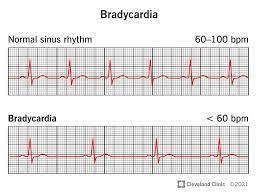
Oxybutynin is an anticholinergic medication commonly used to treat urinary incontinence. One of the adverse effects of anticholinergic medications is the potential for bradycardia, which refers to a slower than normal heart rate. Anticholinergic medications can inhibit the effects of acetylcholine, a neurotransmitter responsible for regulating various bodily functions, including heart rate. Therefore, it is important to assess the client for signs of bradycardia after an unintended higher dose of oxybutynin.
Full Explanation
Oxybutynin is an anticholinergic medication commonly used to treat urinary incontinence. One of the adverse effects of anticholinergic medications is the potential for bradycardia, which refers to a slower than normal heart rate. Anticholinergic medications can inhibit the effects of acetylcholine, a neurotransmitter responsible for regulating various bodily functions, including heart rate. Therefore, it is important to assess the client for signs of bradycardia after an unintended higher dose of oxybutynin.
Increased salivation (A) is not an expected adverse effect of oxybutynin. In fact, anticholinergic medications like oxybutynin often have the opposite effect, causing dry mouth and reduced salivation.
Hyperthermia (B) is not a typical adverse effect of oxybutynin. It is more commonly associated with other conditions or medications.
Urinary incontinence (C) is the condition that oxybutynin is intended to treat. It is not an adverse effect but rather the therapeutic effect of the medication.
A nurse is reviewing the medical record of a client who has a new prescription for verapamil. Which of the following findings in the client's medical record should the nurse identify as a contraindication for the administration of verapamil?
A. History of asthma
Verapamil is a calcium channel blocker and does not affect the airways or cause bronchospasm, unlike beta-blockers, which can exacerbate asthma.
B. History of heart failure
Verapamil has negative inotropic effects, meaning it decreases the strength of heart contractions. This can exacerbate heart failure, particularly in clients with reduced ejection fraction (systolic heart failure). It is generally contraindicated in clients with severe heart failure as it can worsen symptoms.
C. Systolic BP 110 mm Hg
While verapamil can cause a drop in blood pressure due to its vasodilatory effects, a systolic blood pressure of 110 mm Hg is not an absolute contraindication.
D. Blood creatinine 1.0 mg/dl
A blood creatinine level of 1.0 mg/dL is within the normal range (approximately 0.6–1.2 mg/dL for adults). Verapamil is not contraindicated in clients with normal renal function.
Full Explanation
A. History of asthma: Verapamil is a calcium channel blocker and does not affect the airways or cause bronchospasm, unlike beta-blockers, which can exacerbate asthma.
B. History of heart failure: Verapamil has negative inotropic effects, meaning it decreases the strength of heart contractions. This can exacerbate heart failure, particularly in clients with reduced ejection fraction (systolic heart failure). It is generally contraindicated in clients with severe heart failure as it can worsen symptoms.
C. Systolic BP 110 mm Hg: While verapamil can cause a drop in blood pressure due to its vasodilatory effects, a systolic blood pressure of 110 mm Hg is not an absolute contraindication.
D. A blood creatinine level of 1.0 mg/dL is within the normal range (approximately 0.6–1.2 mg/dL for adults). Verapamil is not contraindicated in clients with normal renal function.