
Nursing practice questions with comprehensive rationales
NurseDive Free Nursing Practice Question
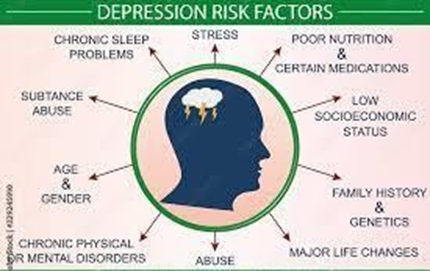
A nurse is providing teaching for a client who has a recent diagnosis of depression. Which of the following should the nurse identify as a primary risk factor for this disorder?
A. Having elevated levels of serotonin.
Elevated levels of serotonin are associated with a potential treatment for depression but aren't considered a primary risk factor for developing depression.
B. Past history of childhood trauma.
Past history of childhood trauma, such as abuse or neglect, is a well-established risk factor for the development of depression later in life.
C. Being an only child.
Being an only child is not recognized as a primary risk factor for depression.
D. Recent history of stressful positive life events.
Recent history of stressful positive life events might not be a primary risk factor for depression; in some cases, it could be a protective factor.
This question is an excerpt from Nurse Dive's nursing test bank - Ati RN Psychtriac Nursing Proctored Exam. Take the full exam now
Full Explanation
A. Elevated levels of serotonin are associated with a potential treatment for depression but aren't considered a primary risk factor for developing depression.
B. Past history of childhood trauma, such as abuse or neglect, is a well-established risk factor for the development of depression later in life.
C. Being an only child is not recognized as a primary risk factor for depression.
D. Recent history of stressful positive life events might not be a primary risk factor for depression; in some cases, it could be a protective factor.
Similar Questions
How does a psychiatric nurse best implement the ethical principle of autonomy?
A. By intervening when a self-mutilating patient attempts to harm self.
Intervening during self-harm is more related to beneficence (preventing harm) rather than autonomy (respecting the patient's right to make decisions).
B. Exploring alternative options with a patient, regarding medications.
Autonomy involves respecting a patient's right to make decisions about their care, including discussing alternatives for treatment.
C. Staying with a patient who is demonstrating a high level of anxiety.
Staying with an anxious patient is supportive but doesn't specifically address the principle of autonomy.
D. Suggesting that two patients who are fighting be restricted to the unit.
Restricting patients who are fighting is more related to safety and order within the unit, not necessarily autonomy.
Full Explanation
A. Intervening during self-harm is more related to beneficence (preventing harm) rather than autonomy (respecting the patient's right to make decisions).
B. Autonomy involves respecting a patient's right to make decisions about their care, including discussing alternatives for treatment.
C. Staying with an anxious patient is supportive but doesn't specifically address the principle of autonomy.
D. Restricting patients who are fighting is more related to safety and order within the unit, not necessarily autonomy.
The decision to intervene as a patient advocate is clearly identified by the American Nurses Association's (ANA) code of ethics in which situation?
A. A suspicion that a staff member is unfit to provide client care
This situation reflects the responsibility of a nurse to advocate for patients' safety by intervening if they suspect a staff member is unfit to provide proper care.
B. Working with a client to identify triggers for aggressive behavior
Working with a client to identify triggers for aggressive behavior is more related to the therapeutic process than the specific role of patient advocacy.
C. A client's need for assistance while ambulating post-surgery
A client's need for assistance while ambulating post-surgery is part of standard nursing care but does not directly involve patient advocacy.
D. Providing emotional support to a client experiencing a loss of a parent
Providing emotional support to a client experiencing a loss is part of nursing care but does not specifically address the nurse's role as a patient advocate.
Full Explanation
A. This situation reflects the responsibility of a nurse to advocate for patients' safety by intervening if they suspect a staff member is unfit to provide proper care.
B. Working with a client to identify triggers for aggressive behavior is more related to the therapeutic process than the specific role of patient advocacy.
C. A client's need for assistance while ambulating post-surgery is part of standard nursing care but does not directly involve patient advocacy.
D. Providing emotional support to a client experiencing a loss is part of nursing care but does not specifically address the nurse's role as a patient advocate.
A nurse is planning a unit orientation for a newly admitted client who has severe depression. Which of the following should be the nurse's approach?
A. Sit with the client and offer simple, direct information.
For a client with severe depression, a calm and direct approach is beneficial. Sitting with the client and offering simple, clear information can help establish trust and rapport.
B. Have the client attend group therapy immediately.
Attending group therapy immediately might overwhelm the client, especially if they are newly admitted and experiencing severe depression.
C. Take the client on a tour of the unit and introduce him to all the staff members on duty.
Taking the client on a tour and introducing all staff members might be overwhelming or excessive for someone with severe depression.
D. Explain the unit policies to the client and answer any questions he might have.
While explaining unit policies is important, a direct informational approach might be more effective initially given the severity of the client's condition.
Full Explanation
A. For a client with severe depression, a calm and direct approach is beneficial. Sitting with the client and offering simple, clear information can help establish trust and rapport.
B. Attending group therapy immediately might overwhelm the client, especially if they are newly admitted and experiencing severe depression.
C. Taking the client on a tour and introducing all staff members might be overwhelming or excessive for someone with severe depression.
D. While explaining unit policies is important, a direct informational approach might be more effective initially given the severity of the client's condition.