
Nursing practice questions with comprehensive rationales
NurseDive Free Nursing Practice Question
A nurse is providing teaching to a client about preventing skin cancer. Which of the following client statements indicates a need for further teaching?
A. "Eating a high fiber diet will reduce my risk for developing skin cancer." B. "I should check my skin monthly for any changes."
Eating a high fiber diet has not been proven to reduce the risk for developing skin cancer. Skin cancer is mainly caused by exposure to ultraviolet (UV) radiation from the sun or artificial sources, such as tanning booths.
B. "I should avoid the use of tanning booths."
C. "I should use sunscreen even on cloudy days."
D. Wear barrier protection during vaginal intercourse.
This question is an excerpt from Nurse Dive's nursing test bank - ATI SP 250 Exam 3 Med Surg Proctored Exam. Take the full exam now
Full Explanation
Eating a high fiber diet has not been proven to reduce the risk for developing skin cancer. Skin cancer is mainly caused by exposure to ultraviolet (UV) radiation from the sun or artificial sources, such as tanning booths.
Similar Questions
A nurse is caring for a client who has malignant melanoma. Which of the following findings should the nurse expect when assessing the lesion?
A. Pain
B. Pruritus
C. Purplish in color
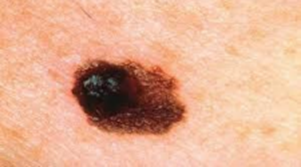
Malignant melanoma is a rare but aggressive type of skin cancer that originates from melanocytes, the cells that produce pigment in the skin. It can appear as a new or changing mole that has an irregular shape, uneven color, large size, or bleeding tendency. It may also be purplish in color due to vascular invasion or hemorrhage within the lesion.
D. Purulent drainage
Full Explanation
Malignant melanoma is a rare but aggressive type of skin cancer that originates from melanocytes, the cells that produce pigment in the skin. It can appear as a new or changing mole that has an irregular shape, uneven color, large size, or bleeding tendency. It may also be purplish in color due to vascular invasion or hemorrhage within the lesion.
A nurse is planning care for a client who is being treated with chemotherapy and radiation for metastatic breast cancer, and who has neutropenia. The nurse should include which of the following restrictions in the client's plan of care?
A. Activities that could result in bleeding
While activities that could result in bleeding should be avoided in patients with low platelet counts, this is not directly related to neutropenia. Neutropenia primarily increases the risk of infection rather than bleeding.
B. Oral fluid intake to between meals only
Restricting oral fluid intake to between meals is not relevant to managing neutropenia. Adequate hydration is important, but the timing of fluid intake does not impact neutropenia management.
C. All visitors from entering the client's room
While limiting visitors can help reduce the risk of infection, it is not necessary to restrict all visitors. Instead, visitors should follow strict hygiene practices, such as handwashing and wearing masks, to minimize infection risk.
D. Fresh flowers and potted plants in the room
Fresh flowers and potted plants can harbor bacteria and fungi, which pose a significant infection risk to neutropenic patients. Therefore, these should be avoided in the patient’s room.
Full Explanation
The correct answer is choice D. Fresh flowers and potted plants in the room.
Choice A rationale:
While activities that could result in bleeding should be avoided in patients with low platelet counts, this is not directly related to neutropenia. Neutropenia primarily increases the risk of infection rather than bleeding.
Choice B rationale:
Restricting oral fluid intake to between meals is not relevant to managing neutropenia. Adequate hydration is important, but the timing of fluid intake does not impact neutropenia management.
Choice C rationale:
While limiting visitors can help reduce the risk of infection, it is not necessary to restrict all visitors. Instead, visitors should follow strict hygiene practices, such as handwashing and wearing masks, to minimize infection risk.
Choice D rationale:
Fresh flowers and potted plants can harbor bacteria and fungi, which pose a significant infection risk to neutropenic patients. Therefore, these should be avoided in the patient’s room.
A nurse is caring for a client who has herpes zoster. Which of the following actions should the nurse take?
A. Apply dry, sterile gauze dressings to affected areas.
B. Instruct family members with a history of chickenpox that they are still at risk for contracting the virus.
C. Prepare to administer acyclovir.
Acyclovir is an antiviral medication that can reduce the severity and duration of herpes zoster symptoms, such as pain, itching, and blisters. Acyclovir can also prevent complications, such as postherpetic neuralgia, which is a chronic nerve pain that can occur after herpes zoster infection.
D. Apply topical corticosteroids to the affected areas.
Full Explanation
Acyclovir is an antiviral medication that can reduce the severity and duration of herpes zoster symptoms, such as pain, itching, and blisters. Acyclovir can also prevent complications, such as postherpetic neuralgia, which is a chronic nerve pain that can occur after herpes zoster infection.