Nursing practice questions with comprehensive rationales
NurseDive Free Nursing Practice Question
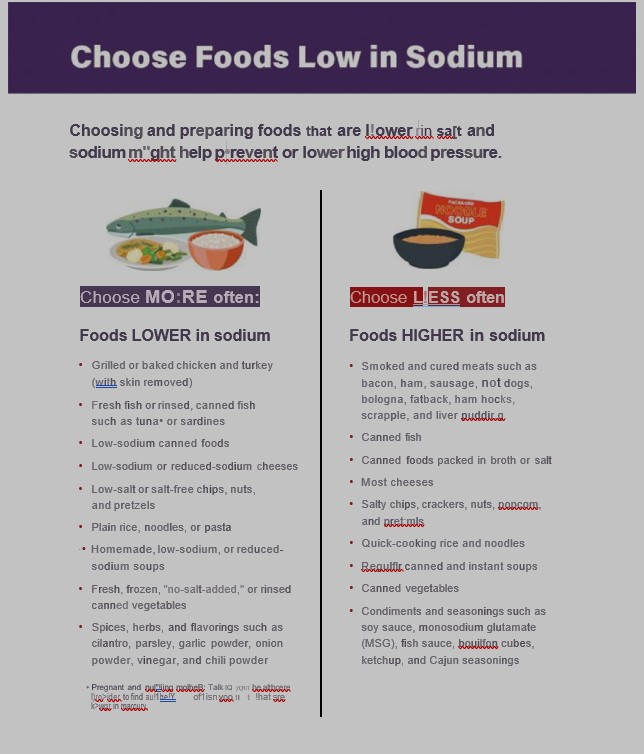
A nurse is providing teaching to a client who has heart failure about limiting sodium intake to 1,000 mg/day. The nurse should inform the client that which of the following dairy products has the highest sodium content?
A. 1/2 cup yogurt
1/2 cup yogurt: Yogurt generally has a lower sodium content compared to processed cheese. However, the sodium content can vary depending on the brand and type of yogurt. It is advisable to choose plain or low-sodium yogurt to minimize sodium intake.
B. 2 oz processed cheese
2 oz processed cheese: Processed cheese, including cheese slices or spreads, tends to have a higher sodium content compared to other dairy products. The processing methods used in the production of processed cheese often involve the addition of sodium-containing ingredients to enhance flavor and improve texture.
C. 1 cup milk
1 cup milk: Plain milk, such as cow's milk, typically has a lower sodium content compared to processed cheese. However, it is important to note that flavored or sweetened milk products may contain added sugars and other ingredients that can increase sodium content. Choosing unsweetened or low-sodium varieties is recommended.
D. 4 oz vanilla pudding
4 oz vanilla pudding: While some commercial pudding mixes may contain sodium, the sodium content in vanilla pudding is generally lower compared to processed cheese. However, it is important to read food labels and choose lower sodium options or consider homemade versions to better control sodium intake.
This question is an excerpt from Nurse Dive's nursing test bank - ATI RN Nutrition 2019 Proctored Exam. Take the full exam now
Full Explanation
2 oz processed cheese: Processed cheese, including cheese slices or spreads, tends to have a higher sodium content compared to other dairy products. The processing methods used in the production of processed cheese often involve the addition of sodium-containing ingredients to enhance flavor and improve texture.
1/2 cup yogurt: Yogurt generally has a lower sodium content compared to processed cheese. However, the sodium content can vary depending on the brand and type of yogurt. It is advisable to choose plain or low-sodium yogurt to minimize sodium intake.
1 cup milk: Plain milk, such as cow's milk, typically has a lower sodium content compared to processed cheese. However, it is important to note that flavored or sweetened milk products may contain added sugars and other ingredients that can increase sodium content. Choosing unsweetened or low-sodium varieties is recommended.
4 oz vanilla pudding: While some commercial pudding mixes may contain sodium, the sodium content in vanilla pudding is generally lower compared to processed cheese. However, it is important to read food labels and choose lower sodium options or consider homemade versions to better control sodium intake.
Similar Questions
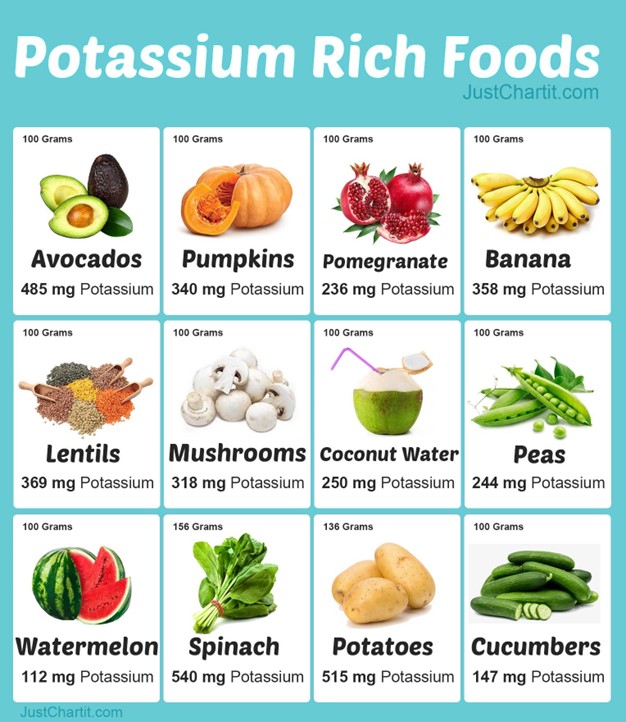
A nurse is making a discharge teaching plan for a client who is taking digoxin and furosemide. Which of the following foods should the nurse instruct the client to consume?
A. Bananas
Bananas: Bananas are a suitable choice for a client taking digoxin and furosemide. Digoxin is a medication commonly prescribed for heart failure and certain heart rhythm disorders, and maintaining adequate potassium levels is important while taking this medication. Bananas are a good source of potassium and can help prevent or correct low potassium levels (hypokalemia), which can be a potential side effect of both digoxin and furosemide.
B. Green beans
Green beans: Green beans can be included in the client's diet when taking digoxin and furosemide. While they are a healthy vegetable choice, they do not have a direct impact on the potassium levels affected by these medications.
C. Blueberries
Blueberries: Blueberries are a nutritious fruit choice, but they do not have a specific relevance to the client's medication regimen of digoxin and furosemide. They can be part of a balanced diet but are not specifically recommended or contraindicated in this context.
D. Cucumbers
Cucumbers: Cucumbers are a refreshing vegetable choice, but they do not have a direct impact on the potassium levels affected by digoxin and furosemide. While maintaining hydration is important, other foods would be more relevant for addressing potassium needs.
Full Explanation
Bananas: Bananas are a suitable choice for a client taking digoxin and furosemide. Digoxin is a medication commonly prescribed for heart failure and certain heart rhythm disorders, and maintaining adequate potassium levels is important while taking this medication. Bananas are a good source of potassium and can help prevent or correct low potassium levels (hypokalemia), which can be a potential side effect of both digoxin and furosemide.
Green beans: Green beans can be included in the client's diet when taking digoxin and furosemide. While they are a healthy vegetable choice, they do not have a direct impact on the potassium levels affected by these medications.
Blueberries: Blueberries are a nutritious fruit choice, but they do not have a specific relevance to the client's medication regimen of digoxin and furosemide. They can be part of a balanced diet but are not specifically recommended or contraindicated in this context.
Cucumbers: Cucumbers are a refreshing vegetable choice, but they do not have a direct impact on the potassium levels affected by digoxin and furosemide. While maintaining hydration is important, other foods would be more relevant for addressing potassium needs.
A nurse is caring for a client who received radiation therapy to the pelvic area. The client is experiencing chronic diarrhea. Which of the following actions should the nurse take?
A. Recommend that the client eliminate the intake of carbonated beverages.
Recommend that the client eliminate the intake of carbonated beverages: Carbonated beverages, such as soda or sparkling water, can exacerbate diarrhea symptoms by increasing gas production and potentially causing abdominal discomfort. Eliminating carbonated beverages can help alleviate symptoms and improve the client's condition.
B. Instruct the client to increase consumption of beans.
Instruct the client to increase consumption of beans: While beans are a good source of dietary fiber and can promote regular bowel movements in some individuals, they can also worsen diarrhea in others. Since the client is experiencing chronic diarrhea, increasing consumption of beans may not be advisable as it could contribute to loose stools and increased frequency.
C. Provide sugar-free candy for the client between meals.
Provide sugar-free candy for the client between meals: Sugar-free candies often contain artificial sweeteners like sorbitol or mannitol, which can have a laxative effect and worsen diarrhea. Offering sugar-free candy may not be helpful and can potentially exacerbate the client's symptoms.
D. Encourage the client to drink 4 oz of milk after each loose stool.
Encourage the client to drink 4 oz of milk after each loose stool: Drinking milk after each loose stool is not recommended for clients experiencing chronic diarrhea. Milk contains lactose, and some individuals may have difficulty digesting it, leading to increased gas production and loose stools. Assessing the client's tolerance to milk and considering lactose-free alternatives, if needed, would be more appropriate.
Full Explanation
Recommend that the client eliminate the intake of carbonated beverages: Carbonated beverages, such as soda or sparkling water, can exacerbate diarrhea symptoms by increasing gas production and potentially causing abdominal discomfort. Eliminating carbonated beverages can help alleviate symptoms and improve the client's condition.
Instruct the client to increase consumption of beans: While beans are a good source of dietary fiber and can promote regular bowel movements in some individuals, they can also worsen diarrhea in others. Since the client is experiencing chronic diarrhea, increasing consumption of beans may not be advisable as it could contribute to loose stools and increased frequency.
Provide sugar-free candy for the client between meals: Sugar-free candies often contain artificial sweeteners like sorbitol or mannitol, which can have a laxative effect and worsen diarrhea. Offering sugar-free candy may not be helpful and can potentially exacerbate the client's symptoms.
Encourage the client to drink 4 oz of milk after each loose stool: Drinking milk after each loose stool is not recommended for clients experiencing chronic diarrhea. Milk contains lactose, and some individuals may have difficulty digesting it, leading to increased gas production and loose stools. Assessing the client's tolerance to milk and considering lactose-free alternatives, if needed, would be more appropriate.
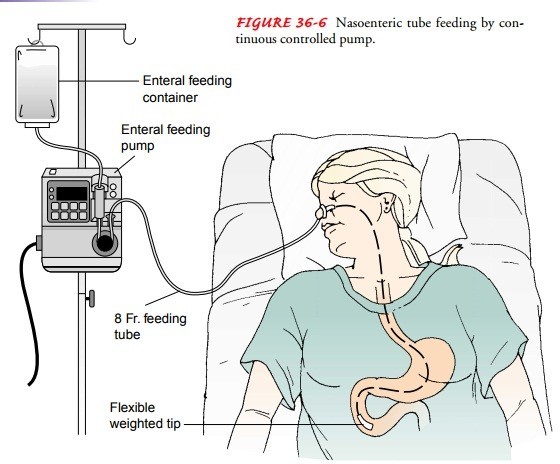
A nurse is caring for a client who is receiving a continuous enteral tube feeding and reports cramping and abdominal distention. Which of the following actions should the nurse take?
A. Check for gastric residual.
Check for gastric residual: Gastric residual refers to the volume of formula or contents in the stomach before the next feeding. Checking for gastric residual helps determine if the client is tolerating the feeding properly. If the gastric residual is high, it may indicate delayed gastric emptying or intolerance to the feeding, which can lead to cramping and abdominal distention. The nurse can assess the gastric residual volume and consult with the healthcare provider to determine the appropriate course of action.
B. Apply low intermittent suction.
Apply low intermittent suction: Applying low intermittent suction is not typically indicated for a client receiving a continuous enteral tube feeding. Suction is more commonly used for clients who have an aspiration risk or need intermittent gastric decompression. In the given scenario, the client is experiencing cramping and abdominal distention, which may require a different approach.
C. Request a higher-fat formula.
Request a higher-fat formula: Requesting a higher-fat formula may not be the appropriate action at this time. High-fat formulas can contribute to gastrointestinal issues such as increased risk of diarrhea or malabsorption. It is important to assess the client's tolerance to the current formula before considering changes.
D. Increase the rate of the feeding
Increase the rate of the feeding: Increasing the rate of the feeding may worsen the client's symptoms. Rapid administration of enteral feedings can overwhelm the gastrointestinal system and lead to complications such as cramping, distention, and diarrhea. It is generally recommended to start at a low rate and gradually increase it based on the client's tolerance.
Full Explanation
Check for gastric residual: Gastric residual refers to the volume of formula or contents in the stomach before the next feeding. Checking for gastric residual helps determine if the client is tolerating the feeding properly. If the gastric residual is high, it may indicate delayed gastric emptying or intolerance to the feeding, which can lead to cramping and abdominal distention. The nurse can assess the gastric residual volume and consult with the healthcare provider to determine the appropriate course of action.
Apply low intermittent suction: Applying low intermittent suction is not typically indicated for a client receiving a continuous enteral tube feeding. Suction is more commonly used for clients who have an aspiration risk or need intermittent gastric decompression. In the given scenario, the client is experiencing cramping and abdominal distention, which may require a different approach.
Request a higher-fat formula: Requesting a higher-fat formula may not be the appropriate action at this time. High-fat formulas can contribute to gastrointestinal issues such as increased risk of diarrhea or malabsorption. It is important to assess the client's tolerance to the current formula before considering changes.
Increase the rate of the feeding: Increasing the rate of the feeding may worsen the client's symptoms. Rapid administration of enteral feedings can overwhelm the gastrointestinal system and lead to complications such as cramping, distention, and diarrhea. It is generally recommended to start at a low rate and gradually increase it based on the client's tolerance.