
Nursing practice questions with comprehensive rationales
NurseDive Free Nursing Practice Question
A. “I soak fruits in water before peeling them.”
Soaking fruits in water before peeling them is not a good practice for retaining nutrients because it can cause water-soluble vitamins, such as vitamin C and B-complex vitamins, to leach out into the water. It is better to wash fruits briefly under running water and peel them as thinly as possible.
B. “I cook vegetables for the week and reheat them at each meal.”
Cooking vegetables for the week and reheating them at each meal is not a good practice for retaining nutrients because it can cause nutrient losses due to exposure to heat, light, air, and water. It is better to cook vegetables as close to the time of consumption as possible and use minimal water and cooking time.
C. “I boil vegetables on the stove until they are soft.”
Boiling vegetables on the stove until they are soft is not a good practice for retaining nutrients because it can cause significant nutrient losses due to high temperature and long cooking time. It is better to steam, microwave, or stir-fry vegetables until they are crisp-tender and retain their color and texture.
D. “I keep my ripe fruits refrigerated until I eat them.”
Keeping ripe fruits refrigerated until eating them is a good practice for retaining nutrients because it can slow down the ripening process and prevent spoilage. Refrigeration can preserve the freshness, flavor, and nutritional value of fruits. However, some fruits, such as bananas, tomatoes, and avocados, should not be refrigerated because they can lose their quality and taste.
This question is an excerpt from Nurse Dive's nursing test bank - RN Nutrition 2019 Nexy Updated 2023 Proctored Exam. Take the full exam now
Full Explanation
Choice A reason: Soaking fruits in water before peeling them is not a good practice for retaining nutrients because it can cause water-soluble vitamins, such as vitamin C and B-complex vitamins, to leach out into the water. It is better to wash fruits briefly under running water and peel them as thinly as possible.
Choice B reason: Cooking vegetables for the week and reheating them at each meal is not a good practice for retaining nutrients because it can cause nutrient losses due to exposure to heat, light, air, and water. It is better to cook vegetables as close to the time of consumption as possible and use minimal water and cooking time.
Choice C reason: Boiling vegetables on the stove until they are soft is not a good practice for retaining nutrients because it can cause significant nutrient losses due to high temperature and long cooking time. It is better to steam, microwave, or stir-fry vegetables until they are crisp-tender and retain their color and texture.
Choice D reason: Keeping ripe fruits refrigerated until eating them is a good practice for retaining nutrients because it can slow down the ripening process and prevent spoilage. Refrigeration can preserve the freshness, flavor, and nutritional value of fruits. However, some fruits, such as bananas, tomatoes, and avocados, should not be refrigerated because they can lose their quality and taste.
Similar Questions
A nurse is teaching a group of parents about appropriate food choices for toddlers. Which of the following choices by the parents demonstrates an understanding of the teaching?
A. Hot dog cut in fourths
Hot dog cut in fourths is not an appropriate food choice for toddlers because it is still a choking hazard. Hot dogs are cylindrical and firm, which can block the airway of a child. Hot dogs should be avoided or cut into thin slices and small pieces before offering to toddlers.
B. Cooked spaghetti with sauce
Cooked spaghetti with sauce is an appropriate food choice for toddlers because it is soft, easy to chew, and provides carbohydrates, protein, and vitamins. Cooked spaghetti can be cut into short strands and mixed with sauce to make it more appealing and moist for toddlers.
C. Steak cut into small pieces
Steak cut into small pieces is not an appropriate food choice for toddlers because it is tough, dry, and hard to chew. Steak can cause choking or difficulty swallowing for toddlers who have not developed their molars and chewing skills. Steak should be avoided or minced and moistened before offering to toddlers.
D. Caramel popcorn
Caramel popcorn is not an appropriate food choice for toddlers because it is sticky, sweet, and hard. Caramel popcorn can stick to the teeth and gums, causing dental caries and gum infections. Popcorn can also cause choking or aspiration for toddlers who have not mastered their swallowing reflex. Popcorn should be avoided until the child is at least 4 years old.
Full Explanation
Choice A reason: Hot dog cut in fourths is not an appropriate food choice for toddlers because it is still a choking hazard. Hot dogs are cylindrical and firm, which can block the airway of a child. Hot dogs should be avoided or cut into thin slices and small pieces before offering to toddlers.
Choice B reason: Cooked spaghetti with sauce is an appropriate food choice for toddlers because it is soft, easy to chew, and provides carbohydrates, protein, and vitamins. Cooked spaghetti can be cut into short strands and mixed with sauce to make it more appealing and moist for toddlers.
Choice C reason: Steak cut into small pieces is not an appropriate food choice for toddlers because it is tough, dry, and hard to chew. Steak can cause choking or difficulty swallowing for toddlers who have not developed their molars and chewing skills. Steak should be avoided or minced and moistened before offering to toddlers.
Choice D reason: Caramel popcorn is not an appropriate food choice for toddlers because it is sticky, sweet, and hard. Caramel popcorn can stick to the teeth and gums, causing dental caries and gum infections. Popcorn can also cause choking or aspiration for toddlers who have not mastered their swallowing reflex. Popcorn should be avoided until the child is at least 4 years old.
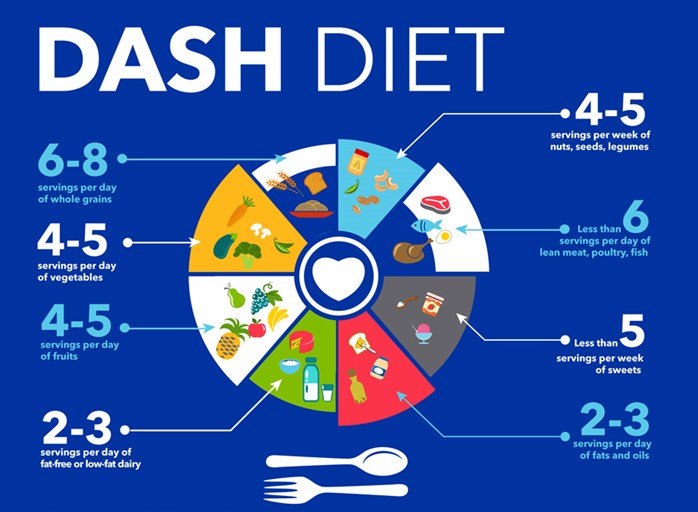
A nurse is providing teaching about the Dietary Approaches to Stop Hypertension (DASH) diet to a client who has hypertension. Which of the following instructions should the nurse include?
A. Consume ten percent of total calories from saturated fat.
Consuming ten percent of total calories from saturated fat is not a part of the DASH diet because it is too high for most adults. The DASH diet recommends consuming less than seven percent of total calories from saturated fat, which translates to about 16 g of saturated fat per day for an average adult who consumes 2,000 calories per day.
B. Consume foods that are high in calcium.
Consuming foods that are high in calcium is a part of the DASH diet because it can help lower blood pressure by relaxing the blood vessels and reducing the force of contraction of the heart. The DASH diet recommends consuming 1,000 to 1,200 mg of calcium per day, which can be obtained from dairy products, leafy greens, beans, nuts, and fortified foods.
C. Increase intake of refined carbohydrates.
Increasing intake of refined carbohydrates is not a part of the DASH diet because it can raise blood sugar and insulin levels, which can increase blood pressure and damage the blood vessels. The DASH diet recommends consuming 45 to 55 percent of total calories from carbohydrates, but mostly from whole grains, fruits, and vegetables, which are rich in fiber and antioxidants.
D. Limit sodium intake to 3,200 milligrams per day.
Limiting sodium intake to 3,200 milligrams per day is not a part of the DASH diet because it is too high for most adults. The DASH diet recommends limiting sodium intake to 2,300 milligrams per day or less, which can help lower blood pressure by reducing fluid retention and vascular resistance.
Full Explanation
Choice A reason: Consuming ten percent of total calories from saturated fat is not a part of the DASH diet because it is too high for most adults. The DASH diet recommends consuming less than seven percent of total calories from saturated fat, which translates to about 16 g of saturated fat per day for an average adult who consumes 2,000 calories per day.
Choice B reason: Consuming foods that are high in calcium is a part of the DASH diet because it can help lower blood pressure by relaxing the blood vessels and reducing the force of contraction of the heart. The DASH diet recommends consuming 1,000 to 1,200 mg of calcium per day, which can be obtained from dairy products, leafy greens, beans, nuts, and fortified foods.
Choice C reason: Increasing intake of refined carbohydrates is not a part of the DASH diet because it can raise blood sugar and insulin levels, which can increase blood pressure and damage the blood vessels. The DASH diet recommends consuming 45 to 55 percent of total calories from carbohydrates, but mostly from whole grains, fruits, and vegetables, which are rich in fiber and antioxidants.
Choice D reason: Limiting sodium intake to 3,200 milligrams per day is not a part of the DASH diet because it is too high for most adults. The DASH diet recommends limiting sodium intake to 2,300 milligrams per day or less, which can help lower blood pressure by reducing fluid retention and vascular resistance.
A nurse is providing discharge teaching to a client who is in the first trimester of pregnancy and has chronic nausea. Which of the following statements by the client indicates an understanding of the teaching?
A. “I will include a high-fat food with each meal.”
Including a high-fat food with each meal is not a good strategy for managing chronic nausea during pregnancy because it can delay gastric emptying and worsen nausea and vomiting. High-fat foods should be avoided or consumed in moderation during pregnancy.
B. “I will drink 12 ounces of water with breakfast.”
Drinking 12 ounces of water with breakfast is not a good strategy for managing chronic nausea during pregnancy because it can dilute stomach acid and trigger nausea and vomiting. Water should be consumed between meals rather than with meals during pregnancy.
C. “I will eat a high-carbohydrate diet.”
Eating a high-carbohydrate diet is a good strategy for managing chronic nausea during pregnancy because it can provide quick energy and prevent hypoglycemia, which can cause nausea and vomiting. Carbohydrate-rich foods, such as crackers, toast, rice, and cereal, can also absorb stomach acid and reduce nausea and vomiting.
D. “I will lie down for an hour after eating.”
Lying down for an hour after eating is not a good strategy for managing chronic nausea during pregnancy because it can cause acid reflux and worsen nausea and vomiting. It is better to sit upright or walk for a few minutes after eating during pregnancy.
Full Explanation
Choice A reason: Including a high-fat food with each meal is not a good strategy for managing chronic nausea during pregnancy because it can delay gastric emptying and worsen nausea and vomiting. High-fat foods should be avoided or consumed in moderation during pregnancy.
Choice B reason: Drinking 12 ounces of water with breakfast is not a good strategy for managing chronic nausea during pregnancy because it can dilute stomach acid and trigger nausea and vomiting. Water should be consumed between meals rather than with meals during pregnancy.
Choice C reason: Eating a high-carbohydrate diet is a good strategy for managing chronic nausea during pregnancy because it can provide quick energy and prevent hypoglycemia, which can cause nausea and vomiting. Carbohydrate-rich foods, such as crackers, toast, rice, and cereal, can also absorb stomach acid and reduce nausea and vomiting.
Choice D reason: Lying down for an hour after eating is not a good strategy for managing chronic nausea during pregnancy because it can cause acid reflux and worsen nausea and vomiting. It is better to sit upright or walk for a few minutes after eating during pregnancy.