
Nursing practice questions with comprehensive rationales
NurseDive Free Nursing Practice Question
A nurse is providing teaching to a school-age child who has a new diagnosis of type 1 diabetes mellitus. Which of the following statements by the child indicates an understanding of the teaching?
A. "I can store unopened bottles of insulin in the freezer.
"I can store unopened bottles of insulin in the freezer."This statement is incorrect. Insulin should not be stored in the freezer. Insulin should be stored in the refrigerator, and the currently used vial can be kept at room temperature for up to 28 days to avoid the discomfort of injecting cold insulin.
B. I should not take my regular insulin when I am sick."
"I should not take my regular insulin when I am sick."This statement is incorrect. When a person with type 1 diabetes is sick, it's important to continue taking insulin. In fact, during illness, blood sugar levels can become more difficult to manage, and insulin may be needed in adjusted doses. Skipping insulin during sickness can lead to uncontrolled blood sugar levels and potentially worsen the illness.
C. "My morning blood glucose should be between 90 and 130.
"My morning blood glucose should be between 90 and 130."This statement is a good range to aim for in terms of fasting blood glucose levels, but it's not an indication of understanding the teaching about diabetes management as a whole. While this knowledge is important, the statement about eating a snack before playing soccer directly reflects understanding of how to manage blood sugar during physical activity."D) I should eat a snack half an hour before playing soccer."
D. I should eat a snack half an hour before playing soccer
Managing blood sugar levels is crucial for individuals with type 1 diabetes, especially when engaging in physical activities like playing soccer. Eating a snack before playing helps prevent hypoglycemia (low blood sugar) during exercise. Physical activity can cause the body to use up glucose faster, potentially leading to low blood sugar levels, and having a snack before exercise can help maintain stable blood sugar levels.
This question is an excerpt from Nurse Dive's nursing test bank - ATI PAEDIATRICS PROCTORED EXAM - SIMMONS U BSN. Take the full exam now
Full Explanation
A) "I can store unopened bottles of insulin in the freezer."
This statement is incorrect. Insulin should not be stored in the freezer. Insulin should be stored in the refrigerator, and the currently used vial can be kept at room temperature for up to 28 days to avoid the discomfort of injecting cold insulin.
B) "I should not take my regular insulin when I am sick."
This statement is incorrect. When a person with type 1 diabetes is sick, it's important to continue taking insulin. In fact, during illness, blood sugar levels can become more difficult to manage, and insulin may be needed in adjusted doses. Skipping insulin during sickness can lead to uncontrolled blood sugar levels and potentially worsen the illness.
C) "My morning blood glucose should be between 90 and 130."
This statement is a good range to aim for in terms of fasting blood glucose levels, but it's not an indication of understanding the teaching about diabetes management as a whole. While this knowledge is important, the statement about eating a snack before playing soccer directly reflects understanding of how to manage blood sugar during physical activity.
"D) I should eat a snack half an hour before playing soccer."
Explanation:
Managing blood sugar levels is crucial for individuals with type 1 diabetes, especially when engaging in physical activities like playing soccer. Eating a snack before playing helps prevent hypoglycemia (low blood sugar) during exercise. Physical activity can cause the body to use up glucose faster, potentially leading to low blood sugar levels, and having a snack before exercise can help maintain stable blood sugar levels.
Similar Questions
A nurse is caring for a 4-year-old child who has a new diagnosis of diabetes mellitus and is distressed after an insulin injection. Which of the following play activities should the nurse recognize is therapeutic in helping the child deal with the injection?
A. A story book about a child who has diabetes
A story book about a child who has diabetes:While a story book about a child with diabetes can be informative and reassuring, it might not directly address the child's distress after an insulin injection. The child needs an interactive play activity that mimics the experience to help them cope with the distress.
B. A period of play in the playroom
A period of play in the playroom:Playing in a general playroom might be enjoyable, but it may not directly address the child's specific distress related to the insulin injection. To address the distress, a play activity directly related to the injection experience is more appropriate.
C. A needleless syringe and a doll
A needleless syringe and a doll.Explanation: Using a needleless syringe and a doll allows the child to engage in therapeutic play that simulates the experience of receiving an insulin injection. This type of play, known as medical play or therapeutic medical play, allows children to gain a sense of control and understanding over medical procedures in a non-threatening and imaginative way. By allowing the child to "give" the doll an injection using the needleless syringe, the child can process their feelings and fears related to their own injections, helping to reduce anxiety and distress.
D. A video game
A video game:Playing a video game can be engaging and distracting, but it doesn't directly help the child process their feelings or fears about the insulin injection. Therapeutic play involving a needleless syringe and a doll provides a more hands-on and interactive way for the child to work through their emotions.
Full Explanation
A) A story book about a child who has diabetes:
While a story book about a child with diabetes can be informative and reassuring, it might not directly address the child's distress after an insulin injection. The child needs an interactive play activity that mimics the experience to help them cope with the distress.
B) A period of play in the playroom:
Playing in a general playroom might be enjoyable, but it may not directly address the child's specific distress related to the insulin injection. To address the distress, a play activity directly related to the injection experience is more appropriate.
C) A needleless syringe and a doll.
Explanation:
Using a needleless syringe and a doll allows the child to engage in therapeutic play that simulates the experience of receiving an insulin injection. This type of play, known as medical play or therapeutic medical play, allows children to gain a sense of control and understanding over medical procedures in a non-threatening and imaginative way. By allowing the child to "give" the doll an injection using the needleless syringe, the child can process their feelings and fears related to their own injections, helping to reduce anxiety and distress.
D) A video game:
Playing a video game can be engaging and distracting, but it doesn't directly help the child process their feelings or fears about the insulin injection. Therapeutic play involving a needleless syringe and a doll provides a more hands-on and interactive way for the child to work through their emotions.
We become concerned about the presence of Spinal Bifida when we note
Full Explanation
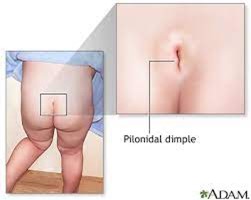
Pilonidal dimpling with the presence of an abnormal tuft of hair in or near the dimple
Explanation:
Spina bifida is a congenital condition where there is incomplete closing of the backbone and membranes around the spinal cord during early development in the womb. Pilonidal dimpling with the presence of an abnormal tuft of hair in or near the dimple is a specific sign of spina bifida. This condition is called "sacral dimple," and it can indicate an underlying issue with the spinal cord and nerves. An abnormal tuft of hair in or near the dimple suggests a neural tube defect, which is characteristic of spina bifida.
Why the other choices are incorrect:
A. complete paralysis:
Complete paralysis is a severe neurological symptom but it is not specific to spina bifida. It can occur due to various other conditions as well, such as spinal cord injuries, infections, and neurological disorders. It's not a characteristic sign of spina bifida.
B. Petechiae:
Petechiae are small, red or purple spots on the skin that are caused by bleeding under the skin. They are usually associated with bleeding disorders, infections, or other medical conditions. Petechiae are not a characteristic sign of spina bifida.
C. Abnormal Vital Signs:
While spina bifida can potentially lead to neurological complications that might influence vital signs, the presence of abnormal vital signs is a non-specific symptom. Abnormal vital signs could be caused by a wide range of medical conditions, and they are not directly indicative of spina bifida.
A nurse is assessing a school-age child whose blood glucose level is 280 mg/dL. Which of the following findings should the nurse expect?
A. Pallor
Pallor:Pallor refers to paleness of the skin. While it can be associated with various medical conditions, it is not a typical symptom of hyperglycemia. Pallor is more commonly seen in conditions related to anemia or circulatory issues.
B. Lethargy
Lethargy Explanation: A blood glucose level of 280 mg/dL in a school-age child indicates hyperglycemia, which is an abnormally high level of glucose in the blood. Hyperglycemia commonly occurs in diabetes mellitus, specifically in Type 1 or Type 2 diabetes. Lethargy is a symptom associated with high blood glucose levels. It is characterized by a state of extreme tiredness, sluggishness, and reduced responsiveness. Hyperglycemia can lead to an inadequate supply of glucose to the brain cells, which can result in lethargy and confusion.
C. Shallow respirations
Shallow respirations:Shallow respirations typically do not directly correlate with high blood glucose levels. Hyperglycemia's primary symptoms are related to changes in metabolism and glucose utilization, and it doesn't usually affect respiratory patterns in the same way that, for instance, respiratory distress might occur with conditions like ketoacidosis in diabetes.
D. Tremors
Tremors: Tremors, or uncontrollable shaking or trembling, are more commonly associated with hypoglycemia (low blood glucose levels) rather than hyperglycemia. Low blood glucose levels can cause the body to release adrenaline, leading to symptoms like tremors, anxiety, and sweating.
Full Explanation
A. Pallor:
Pallor refers to paleness of the skin. While it can be associated with various medical conditions, it is not a typical symptom of hyperglycemia. Pallor is more commonly seen in conditions related to anemia or circulatory issues.
B. Lethargy
Explanation:
A blood glucose level of 280 mg/dL in a school-age child indicates hyperglycemia, which is an abnormally high level of glucose in the blood. Hyperglycemia commonly occurs in diabetes mellitus, specifically in Type 1 or Type 2 diabetes. Lethargy is a symptom associated with high blood glucose levels. It is characterized by a state of extreme tiredness, sluggishness, and reduced responsiveness. Hyperglycemia can lead to an inadequate supply of glucose to the brain cells, which can result in lethargy and confusion.
C. Shallow respirations:
Shallow respirations typically do not directly correlate with high blood glucose levels. Hyperglycemia's primary symptoms are related to changes in metabolism and glucose utilization, and it doesn't usually affect respiratory patterns in the same way that, for instance, respiratory distress might occur with conditions like ketoacidosis in diabetes.
D. Tremors:
Tremors, or uncontrollable shaking or trembling, are more commonly associated with hypoglycemia (low blood glucose levels) rather than hyperglycemia. Low blood glucose levels can cause the body to release adrenaline, leading to symptoms like tremors, anxiety, and sweating.