
Nursing practice questions with comprehensive rationales
NurseDive Free Nursing Practice Question
A nurse is providing teaching to a young adult client who has fibrocystic breast condition. Which of the following instructions should the nurse include in the teaching?
A. Wear a supportive bra 24 hr a day.
While wearing a supportive bra is generally advisable, wearing it 24 hours a day is not necessary and may cause discomfort.
B. Perform a breast self-exam 1 week before menstruation.
Performing a breast self-exam 1 week after menstruation is recommended for individuals with fibrocystic breast condition. Hormonal changes during the menstrual cycle can affect breast tissue, and examining the breasts when they are less likely to be affected by hormonal fluctuations can provide a more accurate baseline for self-examination.
C. Have a mammogram every 4 years.
Mammograms are recommended more frequently than every 4 years, especially for those with fibrocystic breast condition or other risk factors.
D. Increase caffeine intake.
Increasing caffeine intake can exacerbate symptoms of fibrocystic breast condition. Caffeine is known to contribute to breast pain and tenderness.
This question is an excerpt from Nurse Dive's nursing test bank - RN ati Concept-based assessment level proctored exam. Take the full exam now
Full Explanation
Choice A rationale:
While wearing a supportive bra is generally advisable, wearing it 24 hours a day is not necessary and may cause discomfort.
Choice B rationale:
Performing a breast self-exam 1 week after menstruation is recommended for individuals with fibrocystic breast condition. Hormonal changes during the menstrual cycle can affect breast tissue, and examining the breasts when they are less likely to be affected by hormonal fluctuations can provide a more accurate baseline for self-examination.
Choice C rationale:
Mammograms are recommended more frequently than every 4 years, especially for those with fibrocystic breast condition or other risk factors.
Choice D rationale:
Increasing caffeine intake can exacerbate symptoms of fibrocystic breast condition. Caffeine is known to contribute to breast pain and tenderness.
Similar Questions
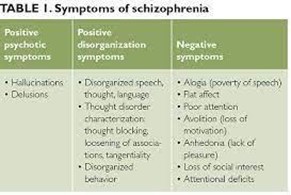
A nurse is assessing a client who has schizophrenia. Which of the following findings should the nurse identify as a negative symptom of schizophrenia?
A. Magical thinking
Magical thinking is a positive symptom of schizophrenia, involving unrealistic beliefs or perceptions.
B. Flat affect
A flat affect is a negative symptom of schizophrenia characterized by reduced emotional expression. Negative symptoms involve a decrease or loss of normal functioning, and a flat affect is one of the most common negative symptoms seen in schizophrenia.
C. Ideas of reference
Ideas of reference are also a positive symptom, involving the belief that neutral or unrelated events have special significance related to oneself.
D. Clang association
Clang association is another positive symptom, involving the association of words based on similar sounds rather than meaningful connections
Full Explanation
Choice A rationale:
Magical thinking is a positive symptom of schizophrenia, involving unrealistic beliefs or perceptions.
Choice B rationale:
A flat affect is a negative symptom of schizophrenia characterized by reduced emotional expression. Negative symptoms involve a decrease or loss of normal functioning, and a flat affect is one of the most common negative symptoms seen in schizophrenia.
Choice C rationale:
Ideas of reference are also a positive symptom, involving the belief that neutral or unrelated events have special significance related to oneself.
Choice D rationale:
Clang association is another positive symptom, involving the association of words based on similar sounds rather than meaningful connections
A nurse is developing a plan of care for a client who has obsessive-compulsive disorder.
Which of the following interventions should the nurse include?
A. Allow the client autonomy in scheduling daily activities.
Clients with obsessive-compulsive disorder (OCD) often benefit from maintaining control over their daily activities and schedules. Allowing the client autonomy in scheduling activities can help them manage their symptoms while feeling in control.
B. Administer an antipsychotic medication to the client.
Antipsychotic medications are not the first-line treatment for OCD, and their use would depend on the presence of other coexisting conditions.
C. Provide ample time for rituals in the early treatment stages.
Providing ample time for rituals may inadvertently reinforce the compulsive behaviors associated with OCD. Cognitive-behavioral therapy (CBT) with exposure and response prevention is the recommended treatment for OCD.
D. Initiate implosion therapy for the client.
Implosion therapy, also known as flooding, exposes the client to anxiety-provoking stimuli in a controlled and safe environment. However, it is not typically the first-line treatment for OCD and requires careful implementation under the guidance of a mental health professional.
Full Explanation
Choice A rationale:
Clients with obsessive-compulsive disorder (OCD) often benefit from maintaining control over their daily activities and schedules. Allowing the client autonomy in scheduling activities can help them manage their symptoms while feeling in control.
Choice B rationale:
Antipsychotic medications are not the first-line treatment for OCD, and their use would depend on the presence of other coexisting conditions.
Choice C rationale:
Providing ample time for rituals may inadvertently reinforce the compulsive behaviors associated with OCD. Cognitive-behavioral therapy (CBT) with exposure and response prevention is the recommended treatment for OCD.
Choice D rationale:
Implosion therapy, also known as flooding, exposes the client to anxiety-provoking stimuli in a controlled and safe environment. However, it is not typically the first-line treatment for OCD and requires careful implementation under the guidance of a mental health professional.
A nurse is planning care for a client who is experiencing moderate vaginal bleeding due to a placental abruption. Which of the following interventions should the nurse include in the plan?
A. Check cervical dilation every 2 hr.
Frequent cervical examinations may increase the risk of introducing infection or causing additional bleeding. Cervical examinations are not a priority in managing placental abruption.
B. Initiate an IV with an 18-gauge catheter.
Placental abruption can lead to significant blood loss, and the client may require intravenous fluids and blood products to maintain hemodynamic stability. Initiating an IV with an 18-gauge catheter allows for rapid administration of fluids and blood products if needed.
C. Monitor FHR hourly.
Monitoring fetal heart rate hourly is important, but addressing the mother's hemodynamic stability with IV fluids takes priority.
D. Obtain vital signs every 4 hr.
Vital signs should be obtained more frequently than every 4 hours due to the risk of ongoing blood loss.
Full Explanation
Choice A rationale:
Frequent cervical examinations may increase the risk of introducing infection or causing additional bleeding. Cervical examinations are not a priority in managing placental abruption.
Choice B rationale:
Placental abruption can lead to significant blood loss, and the client may require intravenous fluids and blood products to maintain hemodynamic stability. Initiating an IV with an 18-gauge catheter allows for rapid administration of fluids and blood products if needed.
Choice C rationale:
Monitoring fetal heart rate hourly is important, but addressing the mother's hemodynamic stability with IV fluids takes priority.
Choice D rationale:
Vital signs should be obtained more frequently than every 4 hours due to the risk of ongoing blood loss.