
Nursing practice questions with comprehensive rationales
NurseDive Free Nursing Practice Question
A. "My child might experience mood swings."
Mood swings are a common side effect of prednisone and indicate an understanding of the potential adverse effects.
B. “I should take my child to the clinic for a weekly blood test."
Routine blood tests are not typically required for children on maintenance prednisone therapy for asthma.
C. “I should withhold my child's medication before physical activity."
Prednisone should not be withheld before physical activity, as it is a maintenance medication for asthma.
D. "My child might have a decreased appetite."
Decreased appetite is a common side effect of prednisone but is not the best indicator of understanding the teaching.
This question is an excerpt from Nurse Dive's nursing test bank - Ati Rn Paediatric Nursing 2023 Proctored Exam. Take the full exam now
Full Explanation
Rationale:
A. Mood swings are a common side effect of prednisone and indicate an understanding of the potential adverse effects.
B. Routine blood tests are not typically required for children on maintenance prednisone therapy for asthma.
C. Prednisone should not be withheld before physical activity, as it is a maintenance medication for asthma.
D. Decreased appetite is a common side effect of prednisone but is not the best indicator of understanding the teaching.
Similar Questions
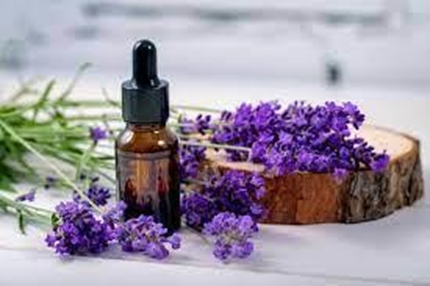
A nurse is caring for a child whose guardian requests information about essential oils to help their child relax. Which of the following oils should the nurse recommend?
A. Lavender
Lavender oil is commonly used for relaxation and calming effects.
B. Eucalyptus
Eucalyptus oil is more commonly used for respiratory issues and may not be as suitable for relaxation.
C. Jasmine
Jasmine oil is often used for its pleasant scent but may not have the same relaxation properties as lavender.
D. Tea tree
Tea tree oil is typically used for its antimicrobial properties and may not be as effective for relaxation purposes as lavender.
Full Explanation
Rationale:
A. Lavender oil is commonly used for relaxation and calming effects.
B. Eucalyptus oil is more commonly used for respiratory issues and may not be as suitable for relaxation.
C. Jasmine oil is often used for its pleasant scent but may not have the same relaxation properties as lavender.
D. Tea tree oil is typically used for its antimicrobial properties and may not be as effective for relaxation purposes as lavender.
A nurse is preparing to administer recommended immunizations to a 12-month-old infant who is up-to-date with the current schedule. Which of the following immunizations should the nurse plan to administer?Select all that apply.
A. Measles, mumps, and rubella (MMR)
The MMR vaccine is typically administered at 12 months of age as part of routine immunization schedules.
B. Varicella (VAR)
The varicella vaccine is typically administered at 12 months of age as part of routine immunization schedules.
C. Rotavirus (RV)
Rotavirus (RV): The rotavirus vaccine is typically administered at 2, 4, and 6 months of age.
D. Herpes zoster
The herpes zoster vaccine is not routinely administered to infants at 12 months of age.
E. Human papillomavirus (HPV4)
The HPV vaccine is typically administered starting at age 11 or 12 years, not at 12 months of age.
Full Explanation
Rationale:
A. The MMR vaccine is typically administered at 12 months of age as part of routine immunization schedules.
B. The varicella vaccine is typically administered at 12 months of age as part of routine immunization schedules.
C. Rotavirus (RV): The rotavirus vaccine is typically administered at 2, 4, and 6 months of age.
D. The herpes zoster vaccine is not routinely administered to infants at 12 months of age.
E. The HPV vaccine is typically administered starting at age 11 or 12 years, not at 12 months of age.
A nurse is caring for a preschool-age child who is postoperative following a tonsillectomy and is clearing her throat frequently. Which of the following actions should the nurse take first?
A. Observe the child's throat with a flashlight.
Observing the child's throat with a flashlight is necessary to detect any bleeding.
B. Give the child small sips of water.
Giving the child small sips of water helps soothe the throat and promote hydration but it does not address the risk of bleeding as a complication of tonsillectomy.
C. Administer an analgesic.
Administering an analgesic may be indicated if the child is experiencing pain, but the throat should be assessed for any bleeding first.
D. Offer the child an ice collar.
Offering the child an ice collar may provide comfort, but assessing the throat for any bleeding is more essential.
Full Explanation
Rationale:
A. Observing the child's throat with a flashlight is necessary to detect any bleeding.
B. Giving the child small sips of water helps soothe the throat and promote hydration but it does not address the risk of bleeding as a complication of tonsillectomy.
C. Administering an analgesic may be indicated if the child is experiencing pain, but the throat should be assessed for any bleeding first.
D. Offering the child an ice collar may provide comfort, but assessing the throat for any bleeding is more essential.