Nursing practice questions with comprehensive rationales
NurseDive Free Nursing Practice Question
A nurse is reinforcing teaching for a client who has COPD. Which of the following statements by the client indicates a need for further teaching?
A. I will rest for at least 30 minutes before eating.
"I will rest for at least 30 minutes before eating."This statement is appropriate. Resting before meals can help conserve energy and reduce dyspnea (shortness of breath) during eating for individuals with COPD.
B. I will drink plenty of beverages with my meals.
"I will drink plenty of beverages with my meals."This statement indicates a need for further teaching. Excessive fluid intake during meals can contribute to feelings of fullness and increase the risk of bloating, making it more difficult for the client with COPD to breathe comfortably.
C. I will eat five or six small meals each day?
"I will eat five or six small meals each day." This statement is appropriate. Eating smaller, more frequent meals can help prevent overdistension of the stomach and reduce the feeling of fullness, making it easier for the client to breathe.
D. I will increase my intake of protein.
"I will increase my intake of protein."This statement is appropriate. Adequate protein intake is important for individuals with COPD to support respiratory muscle function and overall nutritional status.
This question is an excerpt from Nurse Dive's nursing test bank - Ati Custom Pn Basic Care And Comfort Assessment Proctored Exam. Take the full exam now
Full Explanation
A. "I will rest for at least 30 minutes before eating."
This statement is appropriate. Resting before meals can help conserve energy and reduce dyspnea (shortness of breath) during eating for individuals with COPD.
B. "I will drink plenty of beverages with my meals."
This statement indicates a need for further teaching. Excessive fluid intake during meals can contribute to feelings of fullness and increase the risk of bloating, making it more difficult for the client with COPD to breathe comfortably.
C. "I will eat five or six small meals each day."
This statement is appropriate. Eating smaller, more frequent meals can help prevent overdistension of the stomach and reduce the feeling of fullness, making it easier for the client to breathe.
D. "I will increase my intake of protein."
This statement is appropriate. Adequate protein intake is important for individuals with COPD to support respiratory muscle function and overall nutritional status.
Similar Questions
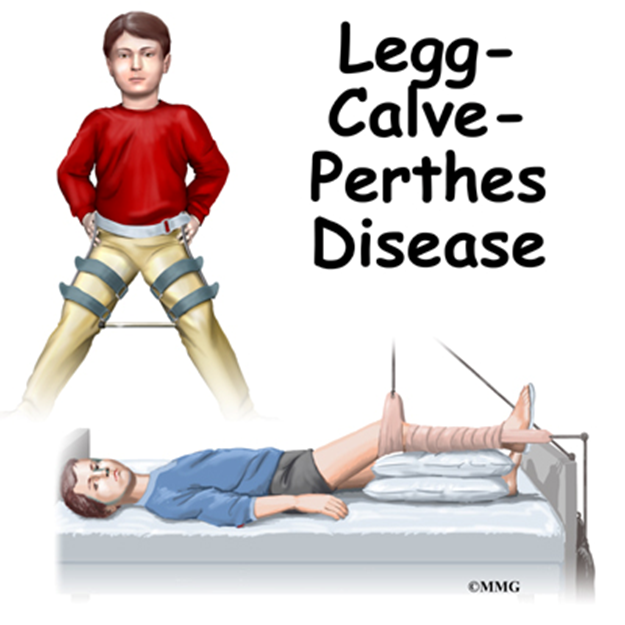
A nurse is caring for a child who has Legg-Calve-Perthes disease and is in Buck’s traction. Which of the following actions should the nurse take?
A. Ensure the rope knots are away from the pulleys.
Ensure the rope knots are away from the pulleys.While ensuring that rope knots are away from the pulleys is a general principle in traction care to maintain proper functioning, it is not directly related to the specific positioning of the child's feet in Buck's traction.
B. Ensure the child’s feet are against the footboard.
Ensure the child’s feet are against the footboard.This statement is correct. Ensuring that the child's feet are against the footboard helps maintain proper hip alignment and prevent complications such as contractures. It is an important aspect of care when managing Legg-Calve-Perthes disease in Buck's traction.
C. Apply antibiotic ointment to the pin sites daily.
Apply antibiotic ointment to the pin sites daily. This action is not applicable to Buck's traction. Buck's traction involves the use of a boot or splint, and it does not include pins or pin sites. The use of antibiotic ointment for pin sites is more relevant in the context of skeletal traction.
D. Reduce the child’s fluid intake.
Reduce the child’s fluid intake.There is no indication to reduce the child's fluid intake specifically in the context of Buck's traction. Adequate hydration is generally important for overall health, and fluid restriction is not a standard practice for managing Legg-Calve-Perthes disease in Buck's traction.
Full Explanation
A. Ensure the rope knots are away from the pulleys.
While ensuring that rope knots are away from the pulleys is a general principle in traction care to maintain proper functioning, it is not directly related to the specific positioning of the child's feet in Buck's traction.
B. Ensure the child’s feet are against the footboard.
This statement is correct. Ensuring that the child's feet are against the footboard helps maintain proper hip alignment and prevent complications such as contractures. It is an important aspect of care when managing Legg-Calve-Perthes disease in Buck's traction.
C. Apply antibiotic ointment to the pin sites daily.
This action is not applicable to Buck's traction. Buck's traction involves the use of a boot or splint, and it does not include pins or pin sites. The use of antibiotic ointment for pin sites is more relevant in the context of skeletal traction.
D. Reduce the child’s fluid intake.
There is no indication to reduce the child's fluid intake specifically in the context of Buck's traction. Adequate hydration is generally important for overall health, and fluid restriction is not a standard practice for managing Legg-Calve-Perthes disease in Buck's traction.
When providing care for a client who has facial fractures, the nurse notices a strong mouth odor. Which of the following terms should the nurse use to document this finding?
A. Stomatitis
StomatitisStomatitis refers to inflammation of the oral mucosa, which includes the lips, cheeks, gums, tongue, and palate. It can be caused by various factors, such as infections, irritants, or systemic conditions. While stomatitis may contribute to changes in oral odor, it encompasses a broader range of inflammatory conditions within the oral cavity.
B. Gingivitis
GingivitisGingivitis is inflammation of the gums (gingiva). It is often caused by plaque buildup and can lead to redness, swelling, and bleeding of the gums. While gingivitis may contribute to bad breath, it specifically involves inflammation of the gum tissue.
C. Halitosis
Halitosis Halitosis refers to bad breath or a strong mouth odor. It can be caused by various factors, including poor oral hygiene, infections, dental conditions, or systemic diseases. In the context of a client with facial fractures, the nurse might observe halitosis due to challenges in maintaining oral hygiene or potential injuries.
D. Pyorrhea
PyorrheaPyorrhea is an outdated term that was historically used to describe advanced stages of periodontal disease, including inflammation of the gums and supporting structures. The term is not commonly used in modern dental or medical terminology.
Full Explanation
A. Stomatitis
Stomatitis refers to inflammation of the oral mucosa, which includes the lips, cheeks, gums, tongue, and palate. It can be caused by various factors, such as infections, irritants, or systemic conditions. While stomatitis may contribute to changes in oral odor, it encompasses a broader range of inflammatory conditions within the oral cavity.
B. Gingivitis
Gingivitis is inflammation of the gums (gingiva). It is often caused by plaque buildup and can lead to redness, swelling, and bleeding of the gums. While gingivitis may contribute to bad breath, it specifically involves inflammation of the gum tissue.
C. Halitosis
Halitosis refers to bad breath or a strong mouth odor. It can be caused by various factors, including poor oral hygiene, infections, dental conditions, or systemic diseases. In the context of a client with facial fractures, the nurse might observe halitosis due to challenges in maintaining oral hygiene or potential injuries.
D. Pyorrhea
Pyorrhea is an outdated term that was historically used to describe advanced stages of periodontal disease, including inflammation of the gums and supporting structures. The term is not commonly used in modern dental or medical terminology.
A nurse is caring for a client who tells the nurse she experiences urinary incontinence when she sneezes. The nurse recognizes this is an expected finding for which of the following types of incontinence?
A. Stress incontinence
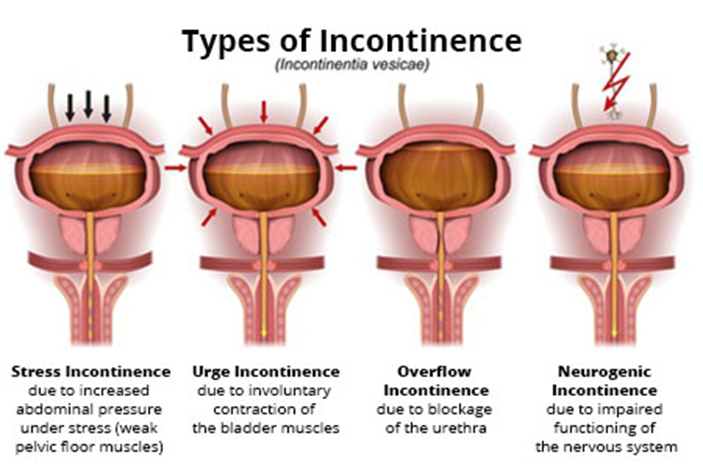
Stress incontinenceStress incontinence is the involuntary loss of urine during activities that increase intra-abdominal pressure, such as sneezing, coughing, laughing, or lifting heavy objects. In stress incontinence, the pelvic floor muscles are weakened, leading to inadequate support of the bladder and urethra. This results in leakage of urine during moments of increased pressure on the bladder.
B. Urge incontinence
Urge incontinenceUrge incontinence involves a strong and sudden urge to urinate, leading to involuntary urine loss. It is often associated with an overactive bladder and may not be related to increased abdominal pressure.
C. Overflow incontinence
Overflow incontinence Overflow incontinence occurs when the bladder is unable to empty completely, leading to constant dribbling of urine. It is often associated with conditions that obstruct urine flow, such as an enlarged prostate in men.
D. Reflex incontinence
Reflex incontinenceReflex incontinence is characterized by the involuntary loss of urine due to a reflex arc that bypasses normal control mechanisms. It is often associated with neurological conditions that affect bladder control.
Full Explanation
A. Stress incontinence
Stress incontinence is the involuntary loss of urine during activities that increase intra-abdominal pressure, such as sneezing, coughing, laughing, or lifting heavy objects. In stress incontinence, the pelvic floor muscles are weakened, leading to inadequate support of the bladder and urethra. This results in leakage of urine during moments of increased pressure on the bladder.
B. Urge incontinence
Urge incontinence involves a strong and sudden urge to urinate, leading to involuntary urine loss. It is often associated with an overactive bladder and may not be related to increased abdominal pressure.
C. Overflow incontinence
Overflow incontinence occurs when the bladder is unable to empty completely, leading to constant dribbling of urine. It is often associated with conditions that obstruct urine flow, such as an enlarged prostate in men.
D. Reflex incontinence
Reflex incontinence is characterized by the involuntary loss of urine due to a reflex arc that bypasses normal control mechanisms. It is often associated with neurological conditions that affect bladder control.