Nursing practice questions with comprehensive rationales
NurseDive Free Nursing Practice Question
A nurse is reinforcing teaching with a client about advance directives. Which of the following topics should the nurse include? (Select all that apply.)
A. Organ donation.
B. Disclosure of personal health care information.
C. Durable Power of attorney for health care.
D. Enteral feeding tubes.
This question is an excerpt from Nurse Dive's nursing test bank - ATI PN Medical Surgical Leadership Proctored Exam. Take the full exam now
Full Explanation
When reinforcing teaching with a client about advance directives, the nurse should include topics such as organ donation [a], disclosure of personal health care information [b], durable power of attorney for health care [c], and cardiopulmonary resuscitation [e]. Advance directives are legal documents that allow individuals to communicate their wishes about medical treatment and end-of-life care in the event that they are unable to make decisions for themselves. These topics are all important components of advance directives and should be discussed with the client.
Enteral feeding tubes [d] are not a topic that is typically included in discussions about advance directives. While enteral feeding may be a component of end-of-life care, it is not a specific topic that is addressed in advance directives.
Similar Questions
A charge nurse overhears a provider speaking to a staff nurse in anger concerning incorrect supplies that are available. Which of the following actions by the charge nurse displays conflict resolution?
A. Address the situation as soon as possible.
B. Use aggressive communication skills.
C. Foster closed communication.
D. Assist the provider in identifying alternative solutions.
Full Explanation
Addressing the situation as soon as possible [a] and assisting the provider in identifying alternative solutions [d] are actions that display conflict resolution. Conflict resolution involves finding a peaceful and mutually acceptable solution to a disagreement or dispute. By addressing the situation promptly and helping the provider to identify alternative solutions, the charge nurse can facilitate communication and collaboration between the provider and the staff nurse and help to resolve the conflict.
The other options do not display conflict resolution. Using aggressive communication skills [b] can escalate the conflict and make it more difficult to find a resolution. Fostering closed communication [c] can also hinder the resolution of the conflict by preventing open and honest dialogue between the parties involved.
A nurse on a pediatric unit is working with an assistive personnel (AP). Which of the following tasks should the nurse have the AP perform first?
A. Feed a school-age client who has burns on both upper extremities.
The nurse should have the AP perform the task of feeding a school-age client who has burns on both upper extremities first. This task is a high priority because it addresses the client's immediate need for nutrition and hydration. The client's burns may make it difficult for them to feed themselves, so the assistance of the AP is necessary to ensure that the client receives adequate nourishment.
B. Collect a stool sample for ova and parasites from a toddler.
C. Bathe an adolescent client who is disabled.
D. Ambulate a preschooler who is postoperative to the playroom.
Full Explanation
The nurse should have the AP perform the task of feeding a school-age client who has burns on both upper extremities first. This task is a high priority because it addresses the client's immediate need for nutrition and hydration. The client's burns may make it difficult for them to feed themselves, so the assistance of the AP is necessary to ensure that the client receives adequate nourishment.
The other tasks are also important, but they are not the highest priority in this situation. Collecting a stool sample for ova and parasites from a toddler [b] and bathing an adolescent client who is disabled [c] are routine tasks that can be performed as time permits. Ambulating a preschooler who is postoperative to the playroom [d] is also important for promoting mobility and recovery, but it is not as urgent as addressing the immediate need for nutrition and hydration.
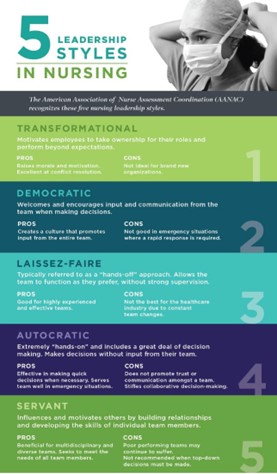
A nurse is planning an in-service that encourages active member participation and feedback about decreasing nosocomial infections on the unit. Which of the following leadership styles does the nurse plan to use?
A. Democratic
The nurse is planning to use a democratic leadership style when conducting an in-service that encourages active member participation and feedback about decreasing nosocomial infections on the unit. A democratic leader values the input and opinions of team members and encourages participation and collaboration in decision-making. By encouraging active participation and feedback from team members, the nurse is demonstrating a democratic approach to leadership.
B. Laissez-faire
takes a hands-on approach and allows team members to make their own decisions without providing guidance or direction.
C. Autocratic
makes decisions unilaterally without seeking input or feedback from team members.
D. Open-door
maintains an open-door policy and is accessible to team members, but this does not necessarily involve active participation and feedback from team members.
Full Explanation
The nurse is planning to use a democratic leadership style when conducting an in-service that encourages active member participation and feedback about decreasing nosocomial infections on the unit. A democratic leader values the input and opinions of team members and encourages participation and collaboration in decision-making. By encouraging active participation and feedback from team members, the nurse is demonstrating a democratic approach to leadership.
The other options are not the leadership style that the nurse plans to use in this situation. A laissez-faire leader [b] takes a hands-on approach and allows team members to make their own decisions without providing guidance or direction. An autocratic leader [c] makes decisions unilaterally without seeking input or feedback from team members. An open-door leader [d] maintains an open-door policy and is accessible to team members, but this does not necessarily involve active participation and feedback from team members.