
Nursing practice questions with comprehensive rationales
NurseDive Free Nursing Practice Question
A nurse is reinforcing teaching with a client who is taking allopurinol about the risk for developing Stevens-Johnson syndrome.
For which of the following manifestations should the nurse instruct the client to monitor and report?
A. Tinnitus with ear pain
It is not typically associated with Stevens- Johnson syndrome. It may indicate another condition or side effect unrelated to SJS.
B. Hyperreflexia
It is not a characteristic manifestation of Stevens-Johnson syndrome. It may indicate a neurological condition or reaction to another medication, but it is not specific to SJS.
C. Skin rash with fever
Stevens-Johnson syndrome (SJS) is a severe and potentially life-threatening hypersensitivity reaction that can occur as a rare side effect of certain medications, including allopurinol. Monitoring and early recognition of SJS symptoms are crucial for prompt medical. Skin rash with fever is a hallmark manifestation of Stevens-Johnson syndrome. It often starts with flu-like symptoms such as fever and malaise, followed by the appearance of a widespread, painful, and rapidly progressing rash. The rash typically involves the mucous membranes, including the mouth, nose, and eyes, and can be accompanied by blisters or sores. Prompt reporting of these symptoms is critical for early diagnosis and intervention.
D. Diplopia
It is not commonly associated with Stevens- Johnson syndrome. It may be caused by other ocular or neurological conditions.
This question is an excerpt from Nurse Dive's nursing test bank - ATI PN Comprehensive Predictor 2023 - Proctored Exam 1. Take the full exam now
Full Explanation
Explanation
C. Skin rash with fever
Stevens-Johnson syndrome (SJS) is a severe and potentially life-threatening hypersensitivity reaction that can occur as a rare side effect of certain medications, including allopurinol.
Monitoring and early recognition of SJS symptoms are crucial for prompt medical.
Skin rash with fever is a hallmark manifestation of Stevens-Johnson syndrome. It often starts with flu-like symptoms such as fever and malaise, followed by the appearance of a widespread, painful, and rapidly progressing rash. The rash typically involves the mucous membranes, including the mouth, nose, and eyes, and can be accompanied by blisters or sores. Prompt reporting of these symptoms is critical for early diagnosis and intervention.
Tinnitus with ear pain in (option A) is incorrect because it is not typically associated with Stevens- Johnson syndrome. It may indicate another condition or side effect unrelated to SJS.
Hyperreflexia, which refers to abnormally increased reflexes, in (option B) is incorrect because it is not a characteristic manifestation of Stevens-Johnson syndrome. It may indicate a neurological condition or reaction to another medication, but it is not specific to SJS.
Diplopia, or double vision, in option (D) is incorrect because it is not commonly associated with Stevens- Johnson syndrome. It may be caused by other ocular or neurological conditions.
In summary, the nurse should instruct the client taking allopurinol to monitor and report the manifestation of a skin rash with fever. This is important because it may indicate the development of Stevens-Johnson syndrome, a severe and potentially life-threatening reaction to the medication. Early recognition and medical intervention are crucial to minimize complications and ensure appropriate treatment.

Similar Questions
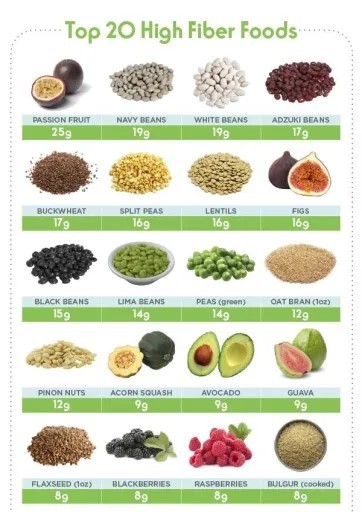
A nurse is reinforcing dietary teaching with a client who has constipation about appropriate food choices. Which of the following food selections by the client demonstrates an understanding of the teaching?
A. Puffed rice cereal
Puffed rice cereal is a low-fiber food and may not provide significant relief for constipation. It is typically low in fiber and may not help in promoting regular bowel movements.
B. Bran muffin
Bran muffins are a good choice for relieving constipation because they are high in dietary fiber. Fiber adds bulk to the stool and helps promote regular bowel movements. It can soften the stool, making it easier to pass.
C. Tomato juice
Tomato juice, while a healthy choice, is not particularly high in fiber. It contains some fiber, but not as much as other options like bran muffins.
D. Cottage cheese
Cottage cheese is a good source of protein, but it is not known for its high fiber content. While it can be a part of a balanced diet, it may not have a significant impact on relieving constipation.
Full Explanation
Bran muffins are a good choice for relieving constipation because they are high in dietary fiber. Fiber adds bulk to the stool and helps promote regular bowel movements. It can soften the stool, making it easier to pass.
Puffed rice cereal is a low-fiber food and may not provide significant relief for constipation. It is typically low in fiber and may not help in promoting regular bowel movements.
Tomato juice, while a healthy choice, is not particularly high in fiber. It contains some fiber, but not as much as other options like bran muffins.
Cottage cheese is a good source of protein, but it is not known for its high fiber content. While it can be a part of a balanced diet, it may not have a significant impact on relieving constipation.
A nurse is reinforcing teaching with a client who has an electrolyte imbalance. Which of the following foods should the nurse include as the lowest in potassium?
A. Cantaloupe
Cantaloupe is relatively high in potassium. A cup of diced cantaloupe contains about 430 mg of potassium.
B. Sweet potato
Sweet potatoes are known for their high potassium content. A medium-sized sweet potato with skin contains about 542 mg of potassium.
C. Orange juice
Orange juice also contains a moderate amount of potassium. An 8-ounce serving of orange juice typically contains around 450 mg of potassium.
D. Baked chicken breast
Potassium is an essential electrolyte that plays a crucial role in various bodily functions. However, for individuals with an electrolyte imbalance, it is often necessary to limit their potassium intake. Among the options provided, baked chicken breast is the lowest in potassium. Chicken breast is naturally low in potassium compared to fruits and vegetables. It contains about 260 mg of potassium per 4-ounce serving.
Full Explanation
Potassium is an essential electrolyte that plays a crucial role in various bodily functions. However, for individuals with an electrolyte imbalance, it is often necessary to limit their potassium intake. Among the options provided, baked chicken breast is the lowest in potassium. Cantaloupe is relatively high in potassium. A cup of diced cantaloupe contains about 430 mg of potassium.
Sweet potatoes are known for their high potassium content. A medium-sized sweet potato with skin contains about 542 mg of potassium.
Orange juice also contains a moderate amount of potassium. An 8-ounce serving of orange juice typically contains around 450 mg of potassium.
Chicken breast is naturally low in potassium compared to fruits and vegetables. It contains about 260 mg of potassium per 4-ounce serving.
Therefore, among the given options, the baked chicken breast is the lowest in potassium and would be the most suitable choice for a client with an electrolyte imbalance requiring a low-potassium diet.
A nurse is reinforcing teaching about disease management with a client who has GERD.
Which of the following statements should the nurse make?
A. "You should eat three large meals and two snacks per day."
"You should eat three large meals and two snacks per day" is not recommended for GERD management. Instead, it is advised to have smaller, more frequent meals throughout the day to reduce the pressure on the stomach and minimize the likelihood of acid reflux.
B. "You should lay down for 1 hour following a meal."
"You should lay down for 1 hour following a meal" is not recommended for GERD management. It is advised to avoid lying down immediately after meals, as this can increase the risk of acid reflux. It is generally recommended to wait at least 2 to 3 hours before lying down.
C. "You should elevate the head of the bed while sleeping."
Elevating the head of the bed while sleeping is a recommended strategy for managing GERD (gastroesophageal reflux disease). By raising the head of the bed, gravity helps to prevent stomach acid from flowing back into the esophagus, reducing the likelihood of acid reflux and associated symptoms.
D. "You should only drink 2 cups of coffee per day."
"You should only drink 2 cups of coffee per day" is a specific recommendation related to caffeine intake, which can potentially trigger or worsen GERD symptoms in some individuals. However, this statement alone does not encompass the comprehensive dietary recommendations for managing GERD.
Full Explanation
Elevating the head of the bed while sleeping is a recommended strategy for managing GERD (gastroesophageal reflux disease). By raising the head of the bed, gravity helps to prevent stomach acid from flowing back into the esophagus, reducing the likelihood of acid reflux and associated symptoms.
"You should eat three large meals and two snacks per day" is not recommended for GERD management. Instead, it is advised to have smaller, more frequent meals throughout the day to reduce the pressure on the stomach and minimize the likelihood of acid reflux.
"You should lay down for 1 hour following a meal" is not recommended for GERD management. It is advised to avoid lying down immediately after meals, as this can increase the risk of acid reflux. It is generally recommended to wait at least 2 to 3 hours before lying down.
"You should only drink 2 cups of coffee per day" is a specific recommendation related to caffeine intake, which can potentially trigger or worsen GERD symptoms in some individuals. However, this statement alone does not encompass the comprehensive dietary recommendations for managing GERD.