
Nursing practice questions with comprehensive rationales
NurseDive Free Nursing Practice Question
A. Platelets 190,000/mm3
Platelets 190,000/mm3 is within the normal range of 150,000 to 450,000/mm3. This result does not indicate a bleeding risk or a need to adjust the warfarin dose.
B. Hct 44%
Hct 44% is within the normal range of 37% to 47% for females and 42% to 52% for males. This result does not indicate anemia or polycythemia, which could affect the warfarin therapy.
C. PT 45 seconds
PT 45 seconds is above the normal range of 11 to 13.5 seconds. This result indicates that the blood is taking too long to clot, which increases the risk of bleeding. The nurse should notify the provider and expect a decrease in the warfarin dose.
D. Hgb 16 g/dL
Hgb 16 g/dL is within the normal range of 12 to 16 g/dL for females and 14 to 18 g/dL for males. This result does not indicate anemia or polycythemia, which could affect the warfarin therapy.
This question is an excerpt from Nurse Dive's nursing test bank - Ati Pharmacology Proctored Exam 2. Take the full exam now
Full Explanation
Choice A reason: Platelets 190,000/mm3 is within the normal range of 150,000 to 450,000/mm3. This result does not indicate a bleeding risk or a need to adjust the warfarin dose.
Choice B reason: Hct 44% is within the normal range of 37% to 47% for females and 42% to 52% for males. This result does not indicate anemia or polycythemia, which could affect the warfarin therapy.
Choice C reason: PT 45 seconds is above the normal range of 11 to 13.5 seconds. This result indicates that the blood is taking too long to clot, which increases the risk of bleeding. The nurse should notify the provider and expect a decrease in the warfarin dose.
Choice D reason: Hgb 16 g/dL is within the normal range of 12 to 16 g/dL for females and 14 to 18 g/dL for males. This result does not indicate anemia or polycythemia, which could affect the warfarin therapy.
Similar Questions
A nurse is caring for a client who is receiving heparin by continuous IV infusion. Which of the following medications should the nurse plan to administer in the event of an overdose?
A. Vitamin K
Vitamin K is the antidote for warfarin, not heparin. Vitamin K reverses the effects of warfarin by increasing the synthesis of clotting factors in the liver.
B. Glucagon
Glucagon is the antidote for insulin, not heparin. Glucagon increases the blood glucose level by stimulating the breakdown of glycogen in the liver.
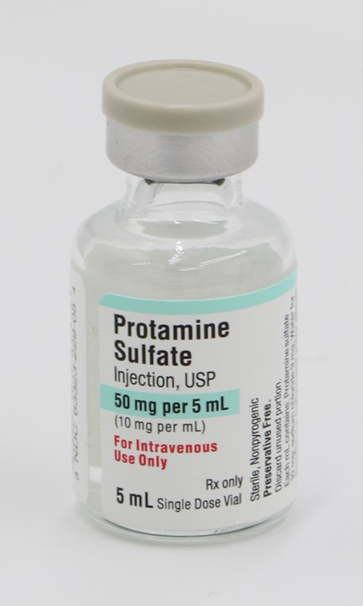
C. Protamine
Protamine is the antidote for heparin, not vitamin K or glucagon. Protamine neutralizes the effects of heparin by binding to it and forming a stable complex.
D. Iron
Iron is not an antidote for any anticoagulant. Iron is a mineral that is essential for the production of hemoglobin and red blood cells.
Full Explanation
Choice A reason: Vitamin K is the antidote for warfarin, not heparin. Vitamin K reverses the effects of warfarin by increasing the synthesis of clotting factors in the liver.
Choice B reason: Glucagon is the antidote for insulin, not heparin. Glucagon increases the blood glucose level by stimulating the breakdown of glycogen in the liver.
Choice C reason: Protamine is the antidote for heparin, not vitamin K or glucagon. Protamine neutralizes the effects of heparin by binding to it and forming a stable complex.
Choice D reason: Iron is not an antidote for any anticoagulant. Iron is a mineral that is essential for the production of hemoglobin and red blood cells.
A nurse is caring for a client who has hypertension and asks the nurse about a prescription for propranolol. The nurse should inform the client that this medication is contraindicated in clients who have a history of which of the following conditions?
A. Migraines
Migraines are not a contraindication for propranolol. In fact, propranolol is used as a prophylactic treatment for migraines, as it reduces the frequency and severity of migraine attacks.
B. Glaucoma
Glaucoma is not a contraindication for propranolol. Propranolol does not affect the intraocular pressure or the drainage of aqueous humor in the eye.
C. Asthma
Asthma is a contraindication for propranolol. Propranolol is a nonselective beta-blocker, which means it blocks both beta-1 and beta-2 receptors in the body. Beta-2 receptors are found in the bronchial smooth muscle, and when they are blocked, they cause bronchoconstriction and increased airway resistance. This can worsen the symptoms of asthma and cause a life-threatening asthma attack.
D. Depression
Depression is not a contraindication for propranolol. Propranolol does not cause depression, although it may cause some side effects such as fatigue, insomnia, and sexual dysfunction. However, these side effects are usually mild and reversible.
Full Explanation
Choice A reason: Migraines are not a contraindication for propranolol. In fact, propranolol is used as a prophylactic treatment for migraines, as it reduces the frequency and severity of migraine attacks.
Choice B reason: Glaucoma is not a contraindication for propranolol. Propranolol does not affect the intraocular pressure or the drainage of aqueous humor in the eye.
Choice C reason: Asthma is a contraindication for propranolol. Propranolol is a nonselective beta-blocker, which means it blocks both beta-1 and beta-2 receptors in the body. Beta-2 receptors are found in the bronchial smooth muscle, and when they are blocked, they cause bronchoconstriction and increased airway resistance. This can worsen the symptoms of asthma and cause a life-threatening asthma attack.
Choice D reason: Depression is not a contraindication for propranolol. Propranolol does not cause depression, although it may cause some side effects such as fatigue, insomnia, and sexual dysfunction. However, these side effects are usually mild and reversible.
A nurse is teaching a client who has angina pectoris about starting therapy with sublingual (SL) nitroglycerin tablets. The nurse should include which of the following instructions regarding how to take the medication?
A. Take this medication with 8 ounces of water.
Taking this medication with 8 ounces of water is not necessary. Sublingual nitroglycerin tablets are designed to dissolve under the tongue and be absorbed quickly into the bloodstream. Drinking water may interfere with the absorption and effectiveness of the medication.
B. Take one tablet at the first indication of chest pain.
Taking one tablet at the first indication of chest pain is the correct instruction. Sublingual nitroglycerin tablets are used to relieve anginal pain by dilating the coronary arteries and improving blood flow to the heart. The client should place one tablet under the tongue as soon as chest pain occurs and wait for it to dissolve.
C. Take one tablet every 15 minutes during an acute attack.
Taking one tablet every 15 minutes during an acute attack is not the correct instruction. Sublingual nitroglycerin tablets have a short duration of action and may not provide adequate relief for a prolonged anginal attack. The client should follow the rule of three: take one tablet every 5 minutes for up to three doses. If the pain is not relieved after three doses, the client should call 911 or seek emergency medical attention.
D. Take this medication after each meal and at bedtime.
Taking this medication after each meal and at bedtime is not the correct instruction. Sublingual nitroglycerin tablets are not used for the prevention of angina. They are only used for the treatment of acute anginal episodes. Taking this medication regularly may cause tolerance and reduce its effectiveness.
Full Explanation
Choice A reason: Taking this medication with 8 ounces of water is not necessary. Sublingual nitroglycerin tablets are designed to dissolve under the tongue and be absorbed quickly into the bloodstream. Drinking water may interfere with the absorption and effectiveness of the medication.
Choice B reason: Taking one tablet at the first indication of chest pain is the correct instruction. Sublingual nitroglycerin tablets are used to relieve anginal pain by dilating the coronary arteries and improving blood flow to the heart. The client should place one tablet under the tongue as soon as chest pain occurs and wait for it to dissolve.
Choice C reason: Taking one tablet every 15 minutes during an acute attack is not the correct instruction. Sublingual nitroglycerin tablets have a short duration of action and may not provide adequate relief for a prolonged anginal attack. The client should follow the rule of three: take one tablet every 5 minutes for up to three doses. If the pain is not relieved after three doses, the client should call 911 or seek emergency medical attention.
Choice D reason: Taking this medication after each meal and at bedtime is not the correct instruction. Sublingual nitroglycerin tablets are not used for the prevention of angina. They are only used for the treatment of acute anginal episodes. Taking this medication regularly may cause tolerance and reduce its effectiveness.