Nursing practice questions with comprehensive rationales
NurseDive Free Nursing Practice Question
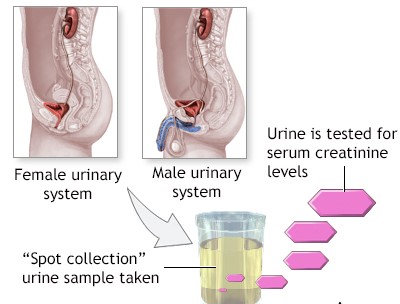
A nurse is reviewing the laboratory reports of a client who is undergoing nutritional screening due to a risk for chronic kidney disease. The nurse should identify that which of the following results indicates the need for further assessment?
A. Serum creatinine 3.5 mg/dL
Serum creatinine 3.5 mg/dL is high and indicates the need for further assessment. Creatinine is a waste product of muscle metabolism that is filtered by the kidneys. High creatinine levels can indicate kidney damage or impaired renal function.
B. Hematocrit 45%
Hematocrit 45% is within the normal range (37-47% for women, 40-50% for men), and it does not indicate the need for further assessment. Hematocrit is the percentage of red blood cells in the blood. Low hematocrit levels can indicate anemia, bleeding, or hemolysis.
C. Blood urea nitrogen 18 mg/dL
Blood urea nitrogen 18 mg/dL is within the normal range (7-20), and it does not indicate the need for further assessment. Blood urea nitrogen is a waste product of protein metabolism that is filtered by the kidneys. High blood urea nitrogen levels can indicate dehydration, kidney damage, or high protein intake.
D. Sodium 140 mEq/L
Sodium 140 mEq/L is within the normal range (135-145), and it does not indicate the need for further assessment. Sodium is an electrolyte that helps maintain fluid balance, blood pressure, and nerve impulses. Low or high sodium levels can cause confusion, seizures, or coma.
This question is an excerpt from Nurse Dive's nursing test bank - RN Nutrition 2019 Nexy Updated 2023 Proctored Exam. Take the full exam now
Full Explanation
Choice A reason: Serum creatinine 3.5 mg/dL is high and indicates the need for further assessment. Creatinine is a waste product of muscle metabolism that is filtered by the kidneys. High creatinine levels can indicate kidney damage or impaired renal function.
Choice B reason: Hematocrit 45% is within the normal range (37-47% for women, 40-50% for men), and it does not indicate the need for further assessment. Hematocrit is the percentage of red blood cells in the blood. Low hematocrit levels can indicate anemia, bleeding, or hemolysis.
Choice C reason: Blood urea nitrogen 18 mg/dL is within the normal range (7-20), and it does not indicate the need for further assessment. Blood urea nitrogen is a waste product of protein metabolism that is filtered by the kidneys. High blood urea nitrogen levels can indicate dehydration, kidney damage, or high protein intake.
Choice D reason: Sodium 140 mEq/L is within the normal range (135-145), and it does not indicate the need for further assessment. Sodium is an electrolyte that helps maintain fluid balance, blood pressure, and nerve impulses. Low or high sodium levels can cause confusion, seizures, or coma.
Similar Questions
A nurse is administering continuous enteral feedings for a client through a percutaneous esophageal gastrostomy (PEG) tube. Which of the following actions should the nurse take?
A. Check gastric residuals every 8 hr.
Checking gastric residuals every 8 hr is not frequent enough, as it can miss signs of delayed gastric emptying, which can cause aspiration, nausea, vomiting, or abdominal distension. Gastric residuals should be checked every 4 hr.
B. Return gastric contents if residual is less than 250 mL.
Returning gastric contents if residual is less than 250 mL is not advisable, as it can increase the risk of infection, contamination, or electrolyte imbalance. Gastric contents should be discarded if residual is more than 100 mL.
C. Measure the pH of gastric residual every 24 hr.
Measuring the pH of gastric residual every 24 hr is not necessary, as it does not reflect the effectiveness or tolerance of the feeding. The pH of gastric residual should be checked before each feeding or every 6 to 8 hr to confirm tube placement and prevent misconnection.
D. Flush the tube with 15 mL of water every 4 hr.
Flushing the tube with 15 mL of water every 4 hr is a correct action, as it can prevent clogging, maintain patency, and clear the tube of formula residue. Water should also be used to flush the tube before and after each medication administration.
Full Explanation
Choice A reason: Checking gastric residuals every 8 hr is not frequent enough, as it can miss signs of delayed gastric emptying, which can cause aspiration, nausea, vomiting, or abdominal distension. Gastric residuals should be checked every 4 hr.
Choice B reason: Returning gastric contents if residual is less than 250 mL is not advisable, as it can increase the risk of infection, contamination, or electrolyte imbalance. Gastric contents should be discarded if residual is more than 100 mL.
Choice C reason: Measuring the pH of gastric residual every 24 hr is not necessary, as it does not reflect the effectiveness or tolerance of the feeding. The pH of gastric residual should be checked before each feeding or every 6 to 8 hr to confirm tube placement and prevent misconnection.
Choice D reason: Flushing the tube with 15 mL of water every 4 hr is a correct action, as it can prevent clogging, maintain patency, and clear the tube of formula residue. Water should also be used to flush the tube before and after each medication administration.
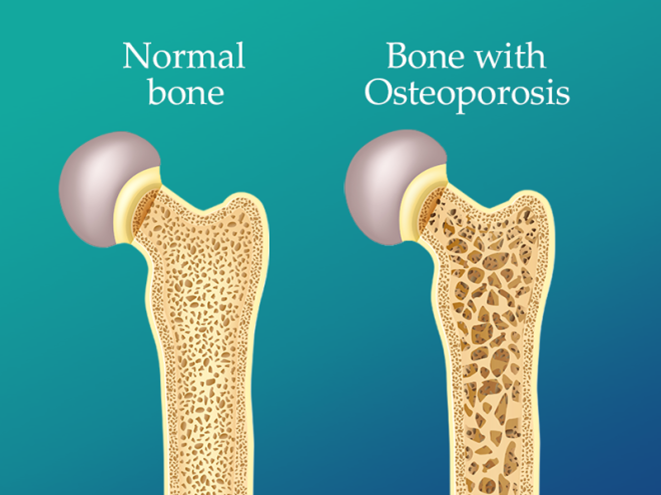
A nurse is teaching a group of clients about dietary needs to prevent osteoporosis. Which of the following dietary choices should the nurse recommend as having the highest calcium content?
A. 1 cup green grapes
1 cup green grapes has about 15 mg of calcium, which is low compared to other foods. Green grapes are also a good source of vitamin C, potassium, and antioxidants.
B. One medium banana
One medium banana has about 6 mg of calcium, which is very low compared to other foods. Banana is also a good source of potassium, fiber, and vitamin B6.
C. 1 cup broccoli
1 cup broccoli has about 180 mg of calcium, which is high compared to other foods. Broccoli is also a good source of vitamin C, folate, and antioxidants.
D. One large tomato
One large tomato has about 18 mg of calcium, which is low compared to other foods. Tomato is also a good source of vitamin C, lycopene, and potassium.
Full Explanation
Choice A reason: 1 cup green grapes has about 15 mg of calcium, which is low compared to other foods. Green grapes are also a good source of vitamin C, potassium, and antioxidants.
Choice B reason: One medium banana has about 6 mg of calcium, which is very low compared to other foods. Banana is also a good source of potassium, fiber, and vitamin B6.
Choice C reason: 1 cup broccoli has about 180 mg of calcium, which is high compared to other foods. Broccoli is also a good source of vitamin C, folate, and antioxidants.
Choice D reason: One large tomato has about 18 mg of calcium, which is low compared to other foods. Tomato is also a good source of vitamin C, lycopene, and potassium.
A nurse is teaching a group of clients about dietary needs to prevent osteoporosis. Which of the following dietary choices should the nurse recommend as having the highest calcium content?
A. 1 cup green grapes
1 cup green grapes has about 15 mg of calcium, which is low compared to other foods. Green grapes are also a good source of vitamin C, potassium, and antioxidants.
B. One medium banana
One medium banana has about 6 mg of calcium, which is very low compared to other foods. Banana is also a good source of potassium, fiber, and vitamin B6.
C. 1 cup broccoli
1 cup broccoli has about 180 mg of calcium, which is high compared to other foods. Broccoli is also a good source of vitamin C, folate, and antioxidants.
D. One large tomato
One large tomato has about 18 mg of calcium, which is low compared to other foods. Tomato is also a good source of vitamin C, lycopene, and potassium.
Full Explanation
Choice A reason: 1 cup green grapes has about 15 mg of calcium, which is low compared to other foods. Green grapes are also a good source of vitamin C, potassium, and antioxidants.
Choice B reason: One medium banana has about 6 mg of calcium, which is very low compared to other foods. Banana is also a good source of potassium, fiber, and vitamin B6.
Choice C reason: 1 cup broccoli has about 180 mg of calcium, which is high compared to other foods. Broccoli is also a good source of vitamin C, folate, and antioxidants.
Choice D reason: One large tomato has about 18 mg of calcium, which is low compared to other foods. Tomato is also a good source of vitamin C, lycopene, and potassium.