
Nursing practice questions with comprehensive rationales
NurseDive Free Nursing Practice Question
A nurse is reviewing the laboratory results of a newborn who is 24 hr old. Which of the following findings should the nurse report to the provider?
A. Hemoglobin 12 g/dL.
Hemoglobin levels in newborns are expected to be significantly higher than in adults due to the physiological adaptation to life outside the womb. The normal range for a newborn’s hemoglobin is approximately 14 to 24 g/dL1234. A level of 12 g/dL is below the expected range and could indicate anemia or other underlying conditions that may require further investigation and intervention by the healthcare provider.
B. Glucose 50 mg/dL.
: The glucose level in a newborn can vary, especially within the first few hours after birth. Normal blood glucose levels for a newborn 1 to 2 hours old can be as low as 25 mg/dL and can rise to adult levels (60-100 mg/dL) within the first few days5. A glucose level of 50 mg/dL in a 24-hour-old newborn falls within the acceptable range and would not typically require reporting to the provider unless accompanied by symptoms of hypoglycemia.
C. Bilirubin 4 mg/dL.
Bilirubin levels in newborns can be elevated due to the normal breakdown of fetal hemoglobin as the baby’s liver matures. Normal bilirubin levels for a newborn can range from 1.0 to 12.0 mg/dL6. A bilirubin level of 4 mg/dL is within the normal range for a 24-hour-old newborn and is not typically a cause for concern unless there are signs of jaundice or other symptoms.
D. Platelets 200,000/mm³.
The normal platelet count for a newborn ranges from 150,000 to 450,000/mm³7. A platelet count of 200,000/mm³ is well within the normal range for a newborn and would not need to be reported to the healthcare provider.
This question is an excerpt from Nurse Dive's nursing test bank - ATI Maternal Newborn Proctored Exam. Take the full exam now
Full Explanation
The correct answer is: A. Hemoglobin 12 g/dL.
Choice A reason:
Hemoglobin levels in newborns are expected to be significantly higher than in adults due to the physiological adaptation to life outside the womb. The normal range for a newborn’s hemoglobin is approximately 14 to 24 g/dL1234. A level of 12 g/dL is below the expected range and could indicate anemia or other underlying conditions that may require further investigation and intervention by the healthcare provider.
Choice B reason:
The glucose level in a newborn can vary, especially within the first few hours after birth. Normal blood glucose levels for a newborn 1 to 2 hours old can be as low as 25 mg/dL and can rise to adult levels (60-100 mg/dL) within the first few days5. A glucose level of 50 mg/dL in a 24-hour-old newborn falls within the acceptable range and would not typically require reporting to the provider unless accompanied by symptoms of hypoglycemia.
Choice C reason:
Bilirubin levels in newborns can be elevated due to the normal breakdown of fetal hemoglobin as the baby’s liver matures. Normal bilirubin levels for a newborn can range from 1.0 to 12.0 mg/dL6. A bilirubin level of 4 mg/dL is within the normal range for a 24-hour-old newborn and is not typically a cause for concern unless there are signs of jaundice or other symptoms.
Choice D reason:
The normal platelet count for a newborn ranges from 150,000 to 450,000/mm³7. A platelet count of 200,000/mm³ is well within the normal range for a newborn and would not need to be reported to the healthcare provider.
Similar Questions
A nurse is reviewing the laboratory results for a client who is at 29 weeks of gestation. Which of the following results should the nurse report to the provider?
A. WBC count 11,000/mm³.
The normal WBC count during pregnancy can vary, but a count of 11,000/mm³ is within an acceptable range. During pregnancy, the WBC count can be slightly elevated due to physiological changes in the body to support the growing fetus.
B. Hgb 11.2 g/dL.
The normal hemoglobin level during pregnancy is generally around 11 to 12.5 g/dL. Therefore, a hemoglobin level of 11.2 g/dL falls within the normal range, and the nurse does not need to report this finding.
C. Hct 34%.
The normal hematocrit (Hct) during pregnancy can vary, but a level of 34% is within the acceptable range. Hct levels can be lower during pregnancy due to increased plasma volume, leading to a mild physiological anemia of pregnancy.
D. Platelets 140,000/mm³.
The normal platelet count during pregnancy is typically around 150,000 to 400,000/mm³. With a platelet count of 140,000/mm³, this is slightly below the lower end of the normal range. Thrombocytopenia during pregnancy can increase the risk of bleeding, both during childbirth and postpartum, so the nurse should report this finding to the provider for further evaluation and management.
Full Explanation
Choice A rationale:
The normal WBC count during pregnancy can vary, but a count of 11,000/mm³ is within an acceptable range. During pregnancy, the WBC count can be slightly elevated due to physiological changes in the body to support the growing fetus.
Choice B rationale:
The normal hemoglobin level during pregnancy is generally around 11 to 12.5 g/dL. Therefore, a hemoglobin level of 11.2 g/dL falls within the normal range, and the nurse does not need to report this finding.
Choice C rationale:
The normal hematocrit (Hct) during pregnancy can vary, but a level of 34% is within the acceptable range. Hct levels can be lower during pregnancy due to increased plasma volume, leading to a mild physiological anemia of pregnancy.
Choice D rationale:
The normal platelet count during pregnancy is typically around 150,000 to 400,000/mm³. With a platelet count of 140,000/mm³, this is slightly below the lower end of the normal range. Thrombocytopenia during pregnancy can increase the risk of bleeding, both during childbirth and postpartum, so the nurse should report this finding to the provider for further evaluation and management.
A nurse is assessing a client who gave birth 1 week ago. The client states, "I don't know what's wrong. I love my baby, but I feel so let down and I seem to cry for no reason.” The nurse should identify that the client is experiencing which of the following emotional responses to birth?
A. Postpartum depression.
Postpartum depression is a more severe and prolonged form of emotional response to childbirth. It involves persistent feelings of sadness, hopelessness, and difficulty bonding with the baby. The symptoms of postpartum depression are different from what the client is experiencing, so this choice is not correct.
B. Taking-in phase.
The taking-in phase is a normal emotional response to birth, where the mother is focused on her own needs and experiences during the immediate postpartum period. The client's symptoms do not align with this phase, as she is expressing feelings of sadness and crying for no reason.
C. Postpartum blues.
The postpartum blues, also known as the "baby blues,” is the correct choice. It is a common and transient emotional response to birth experienced by many new mothers. The mother may feel overwhelmed, have mood swings, and cry for no apparent reason. These symptoms usually resolve on their own within a few days to a couple of weeks, and supportive care is typically sufficient.
D. Taking-hold phase.
The taking-hold phase is a phase where the mother becomes more confident in her caregiving abilities and starts to take a more active role in caring for her baby. The client's symptoms do not align with this phase, as she is expressing feelings of sadness and crying for no reason.
Full Explanation
Choice A rationale:
Postpartum depression is a more severe and prolonged form of emotional response to childbirth. It involves persistent feelings of sadness, hopelessness, and difficulty bonding with the baby. The symptoms of postpartum depression are different from what the client is experiencing, so this choice is not correct.
Choice B rationale:
The taking-in phase is a normal emotional response to birth, where the mother is focused on her own needs and experiences during the immediate postpartum period. The client's symptoms do not align with this phase, as she is expressing feelings of sadness and crying for no reason.
Choice C rationale:
The postpartum blues, also known as the "baby blues,” is the correct choice. It is a common and transient emotional response to birth experienced by many new mothers. The mother may feel overwhelmed, have mood swings, and cry for no apparent reason. These symptoms usually resolve on their own within a few days to a couple of weeks, and supportive care is typically sufficient.
Choice D rationale:
The taking-hold phase is a phase where the mother becomes more confident in her caregiving abilities and starts to take a more active role in caring for her baby. The client's symptoms do not align with this phase, as she is expressing feelings of sadness and crying for no reason.
A nurse is caring for a client who is in active labor. The nurse notes early decelerations of the FHR on the fetal monitor tracing. The nurse should identify that which of the following conditions causes early decelerations in the FHR?
A. Fetal hypoxemia.
Fetal hypoxemia is associated with late decelerations in the fetal heart rate (FHR) tracing. It occurs when the fetus experiences a decreased supply of oxygen, typically due to placental insufficiency or maternal hypotension.
B. Cord compression.
Cord compression can lead to variable decelerations in the FHR tracing. It occurs when the umbilical cord is compressed, restricting blood flow to the fetus temporarily.
C. Uteroplacental insufficiency.
Uteroplacental insufficiency causes late decelerations in the FHR tracing. It refers to an inadequate blood flow between the uterus and placenta, resulting in reduced oxygen supply to the fetus.
D. Head compression.
Head compression is the correct answer for early decelerations in the FHR tracing. It happens during contractions when the fetal head is compressed by the maternal pelvis, leading to a temporary vagal response that slows the heart rate.
Full Explanation
Choice A rationale:
Fetal hypoxemia is associated with late decelerations in the fetal heart rate (FHR) tracing. It occurs when the fetus experiences a decreased supply of oxygen, typically due to placental insufficiency or maternal hypotension.
Choice B rationale:
Cord compression can lead to variable decelerations in the FHR tracing. It occurs when the umbilical cord is compressed, restricting blood flow to the fetus temporarily.
Choice C rationale:
Uteroplacental insufficiency causes late decelerations in the FHR tracing. It refers to an inadequate blood flow between the uterus and placenta, resulting in reduced oxygen supply to the fetus.
Choice D rationale:
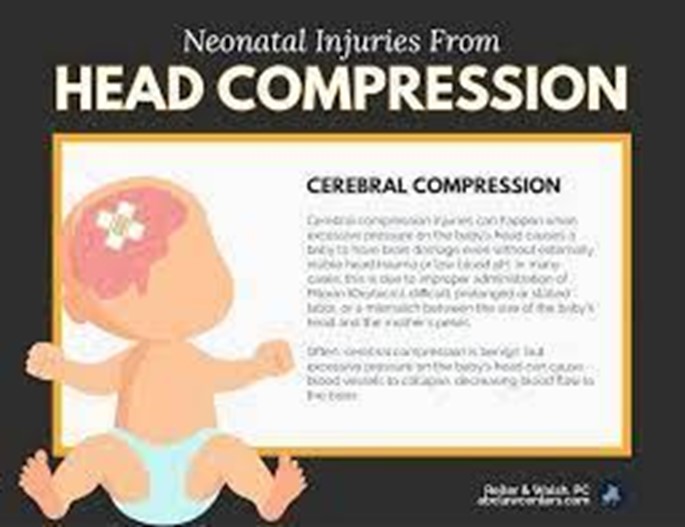
Head compression is the correct answer for early decelerations in the FHR tracing. It happens during contractions when the fetal head is compressed by the maternal pelvis, leading to a temporary vagal response that slows the heart rate.