
Nursing practice questions with comprehensive rationales
NurseDive Free Nursing Practice Question
A nurse is reviewing the laboratory results of a preschooler who has gastroenteritis and notes the client's potassium level is.2 mEq/L.
Which of the following assessment findings should the nurse expect?
A. Oliguria.
Choice A is wrong because oliguria, or decreased urine output, is not a common symptom of low potassium levels.
B. Hypertension.
Choice B is wrong because hypertension, or high blood pressure, is not a common symptom of low potassium levels.
C. Hyporeflexia.
A potassium level of.2 mEq/L is considered low. Low potassium levels can cause muscle weakness and spasms. Hyporeflexia refers to below normal or absent reflexes and can be a sign of muscle weakness.
D. Hyperactive bowel sounds.
Choice D is wrong because hyperactive bowel sounds are not a common symptom of low potassium levels.
This question is an excerpt from Nurse Dive's nursing test bank - ATI RN Nursing Care of Children 2019 Proctored Exam. Take the full exam now
Full Explanation
A potassium level of.2 mEq/L is considered low.
Low potassium levels can cause muscle weakness and spasms.
Hyporeflexia refers to below normal or absent reflexes and can be a sign of muscle weakness.
Choice A is wrong because oliguria, or decreased urine output, is not a common symptom of low potassium levels.
Choice B is wrong because hypertension, or high blood pressure, is not a common symptom of low potassium levels.
Choice D is wrong because hyperactive bowel sounds are not a common symptom of low potassium levels.
Similar Questions
A nurse is providing teaching to the guardians of a school-age child who has sickle cell disease about management of the illness.
Which of the following instructions should the nurse include?
A. Apply cold compresses to painful areas.
Choice A is wrong because cold compresses are not recommended for pain management in sickle cell disease.
B. Encourage physical activity as tolerated.
Encourage physical activity as tolerated. Children with sickle cell disease may need occasional rests from classroom activities but should be encouraged to participate in physical activity as tolerated.
C. Have the child wear a surgical mask to school.
Choice C is wrong because there is no need for a child with sickle cell disease to wear a surgical mask to school.
D. Limit fluids at bedtime.
Choice D is wrong because it is important for children with sickle cell disease to drink water throughout the day to avoid dehydration 1.
Full Explanation
Encourage physical activity as tolerated.
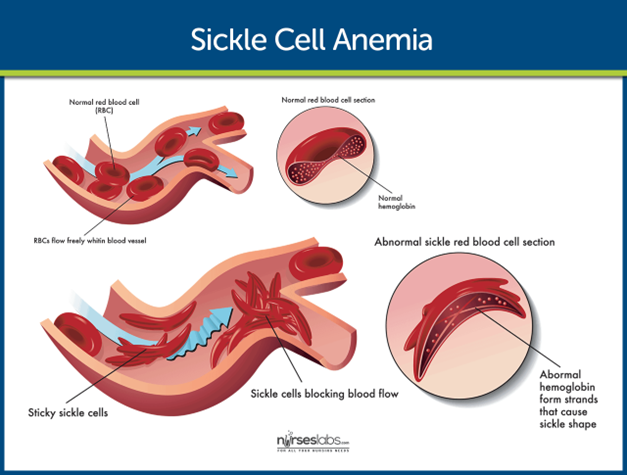
Children with sickle cell disease may need occasional rests from classroom activities but should be encouraged to participate in physical activity as tolerated.
Choice A is wrong because cold compresses are not recommended for pain management in sickle cell disease.
Choice C is wrong because there is no need for a child with sickle cell disease to wear a surgical mask to school.
Choice D is wrong because it is important for children with sickle cell disease to drink water throughout the day to avoid dehydration 1.
A nurse is caring for an infant who has a patent ductus arteriosus.
The nurse should identify that the defect is at which of the following locations of the heart? (Select only the hot spot that corresponds to your answer.)
A. A
B. B
The correct answer is choice B. The patent ductus arteriosus (PDA) is a vascular structure that connects the proximal descending aorta to the roof of the main pulmonary artery near the origin of the left branch pulmonary artery. This essential fetal structure normally closes spontaneously after birth. After the first few weeks of life, persistence of ductal patency is abnormal.
C. C
D. D
Full Explanation
The correct answer is choice B. The patent ductus arteriosus (PDA) is a vascular structure that connects the proximal descending aorta to the roof of the main pulmonary artery near the origin of the left branch pulmonary artery.
This essential fetal structure normally closes spontaneously after birth. After the first few weeks of life, persistence of ductal patency is abnormal.
A nurse is teaching home care to the parents of a preschool-age child who has heart failure.
Which of the following information should the nurse include in the teaching?
A. Increase the child's oxygen flow rate until the child no longer has cyanosis.
Choice A is wrong because increasing the child’s oxygen flow rate should be done under the guidance of a healthcare provider.
B. Weigh the child once each month.
Choice B is wrong because it is important to monitor the child’s weight more frequently than once a month.
C. Withhold digoxin if the child's pulse is greater than 100/min.
Choice C is wrong because digoxin is a medication that can help the heart beat stronger with a more regular rhythm and should not be withheld based on pulse rate alone.
D. Provide for periods of rest.
Provide for periods of rest. Children with heart failure may have trouble breathing, especially with activity, and may feel tired. It is important for them to have periods of rest to help manage their symptoms.
Full Explanation
Provide for periods of rest.
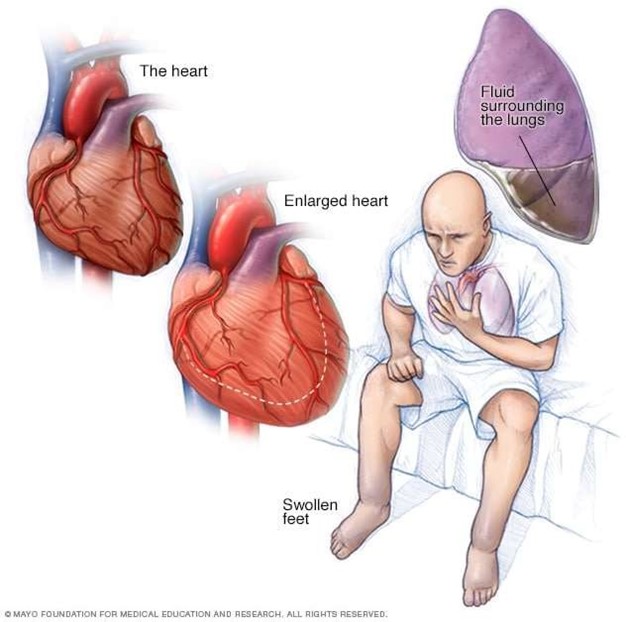
Children with heart failure may have trouble breathing, especially with activity, and may feel tired.
It is important for them to have periods of rest to help manage their symptoms.
Choice A is wrong because increasing the child’s oxygen flow rate should be done under the guidance of a healthcare provider.
Choice B is wrong because it is important to monitor the child’s weight more frequently than once a month.
Choice C is wrong because digoxin is a medication that can help the heart beat stronger with a more regular rhythm and should not be withheld based on pulse rate alone.