
Nursing practice questions with comprehensive rationales
NurseDive Free Nursing Practice Question
A nurse is reviewing the medical record of a client who experienced a vaginal birth 2 hr ago. The nurse should identify which of the following findings places the client at risk for a postpartum hemorrhage.
A. Gestational hypertension
This is not correct because gestational hypertension is not a risk factor for postpartum hemorrhage. It is a condition that causes high blood pressure during pregnancy and can lead to complications such as preeclampsia, eclampsia, and placental abruption³.
B. Small for gestational age newborn
This is not correct because small for gestational age newborn is not a risk factor for postpartum hemorrhage. It is a condition that indicates that the baby's growth was restricted in the womb and weighs less than 90% of other babies of the same gestational age. It can be caused by maternal factors, placental factors, or fetal factors⁴.
C. Two-vessel umbilical cord
This is not correct because a two-vessel umbilical cord is not a risk factor for postpartum hemorrhage. It is a condition that occurs when the umbilical cord has only one artery and one vein instead of the normal two arteries and one vein. It can be associated with congenital anomalies, intrauterine growth restriction, and stillbirth.
D. Precipitous birth
This is because precipitous birth, which is defined as a labor that lasts less than three hours from the onset of contractions to delivery, is a risk factor for postpartum hemorrhage. This is because the uterus may not contract well after a rapid delivery, leading to uterine atony and bleeding. Other risk factors for postpartum hemorrhage include uterine overdistension, oxytocin use, placental abruption, placenta previa, infection, coagulation disorders, and previous history of postpartum hemorrhage¹².
This question is an excerpt from Nurse Dive's nursing test bank - Postpartum AMD Newborn Care Proctored Exam. Take the full exam now
Full Explanation
Precipitous birth
This is because precipitous birth, which is defined as a labor that lasts less than three hours from the onset of contractions to delivery, is a risk factor for postpartum hemorrhage. This is because the uterus may not contract well after a rapid delivery, leading to uterine atony and bleeding. Other risk factors for postpartum hemorrhage include uterine overdistension, oxytocin use, placental abruption, placenta previa, infection, coagulation disorders, and previous history of postpartum hemorrhage.
Choice A is not correct because gestational hypertension is not a risk factor for postpartum hemorrhage. It is a condition that causes high blood pressure during pregnancy and can lead to complications such as preeclampsia, eclampsia, and placental abruption³.
Choice B is not correct because small for gestational age newborn is not a risk factor for postpartum hemorrhage. It is a condition that indicates that the baby's growth was restricted in the womb and weighs less than 90% of other babies of the same gestational age. It can be caused by maternal factors, placental factors, or fetal factors⁴.
Choice C is not correct because a two-vessel umbilical cord is not a risk factor for postpartum hemorrhage. It is a condition that occurs when the umbilical cord has only one artery and one vein instead of the normal two arteries and one vein. It can be associated with congenital anomalies, intrauterine growth restriction, and stillbirth.
Similar Questions
A nurse is assisting with the care of a newborn following a vaginal delivery. Which of the following actions should the nurse perform first?
A. Clear the respiratory tract.
This is because clearing the respiratory tract is the first step in the initial care of a newborn following vaginal delivery. The respiratory tract includes the nose, mouth, and lungs. Clearing the respiratory tract helps the baby breathe more easily and prevents aspiration of amniotic fluid, blood, or mucus. The nurse can use a bulb syringe or a suction device to gently remove any fluid from the baby's nose and mouth.
B. Dry the infant off and cover the head.
This is not correct because drying the infant off and covering the head is not the first action to take. Drying and covering the infant helps prevent heat loss and hypothermia, which are important for newborn care. However, this should be done after clearing the respiratory tract.
C. Stimulate the infant to cry.
This is not correct because stimulating the infant to cry is not the first action to take. Stimulating the infant to cry can help expand the lungs and improve oxygenation, which is also important for newborn care. However, this should be done after clearing the respiratory tract.
D. Clamp the umbilical cord.
This is not correct because clamping the umbilical cord is not the first action to take. Clamping and cutting the umbilical cord separates the baby from the placenta, which is no longer needed after birth. However, this should be done after clearing the respiratory tract.
Full Explanation
Clear the respiratory tract. This is because clearing the respiratory tract is the first step in the initial care of a newborn following vaginal delivery. The respiratory tract includes the nose, mouth, and lungs.
Clearing the respiratory tract helps the baby breathe more easily and prevents aspiration of amniotic fluid, blood, or mucus. The nurse can use a bulb syringe or a suction device to gently remove any fluid from the baby's nose and mouth.
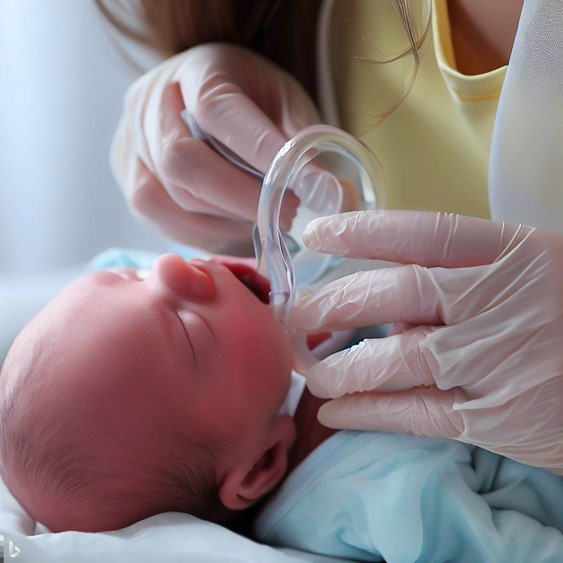
Choice B is not correct because drying the infant off and covering the head is not the first action to take. Drying and covering the infant helps prevent heat loss and hypothermia, which are important for newborn care. However, this should be done after clearing the respiratory tract.
Choice C is not correct because stimulating the infant to cry is not the first action to take. Stimulating the infant to cry can help expand the lungs and improve oxygenation, which is also important for newborn care. However, this should be done after clearing the respiratory tract.
Choice D is not correct because clamping the umbilical cord is not the first action to take. Clamping and cutting the umbilical cord separates the baby from the placenta, which is no longer needed after birth. However, this should be done after clearing the respiratory tract.
A woman had a vaginal delivery two days ago and is preparing for discharge. To help prevent postpartum complications, the nurse plans to teach the woman to report any:
A. Change in lochia from red to white
This is not correct because the change in lochia from red to white is not a sign of postpartum complication. Lochia is the vaginal discharge that occurs after childbirth. It changes color and amount over time, from red to pink to brown to yellow to white. This is a normal process of healing and does not indicate a problem unless the lochia is foul-smelling, heavy, or contains large clots.
B. Fatigue and irritability
This is not correct because fatigue and irritability are not signs of postpartum complications. Fatigue and irritability are common feelings after childbirth due to hormonal changes, sleep deprivation, physical recovery, and emotional adjustment. They do not necessarily indicate a problem unless they are severe or persistent and interfere with daily functioning or bonding with the baby.
C. Fever
This is because fever is a sign of infection, which is a common and potentially serious postpartum complication. Infection can affect various parts of the body, such as the uterus (endometritis), the bladder (cystitis), the breast (mastitis), the wound (wound infection), or the blood (sepsis). Infection can cause symptoms such as fever, chills, pain, foul-smelling discharge, redness, swelling, or warmth at the site of infection.
D. Contractions
This is not correct because contractions are not signs of postpartum complication. Contractions are normal after childbirth and help the uterus shrink back to its pre-pregnancy size. They are usually mild and subside within a few days. They may be more intense during breastfeeding due to the release of oxytocin, which stimulates uterine contractions.
Full Explanation
Fever. This is because fever is a sign of infection, which is a common and potentially serious postpartum complication. Infection can affect various parts of the body, such as the uterus (endometritis), the bladder (cystitis), the breast (mastitis), the wound (wound infection), or the blood (sepsis). Infection can cause symptoms such as fever, chills, pain, foul-smelling discharge, redness, swelling, or warmth at the site of infection.
Choice A is not correct because the change in lochia from red to white is not a sign of postpartum complication. Lochia is the vaginal discharge that occurs after childbirth. It changes color and amount over time, from red to pink to brown to yellow to white. This is a normal process of healing and does not indicate a problem unless the lochia is foul-smelling, heavy, or contains large clots³.
Choice B is not correct because fatigue and irritability are not signs of postpartum complications. Fatigue and irritability are common feelings after childbirth due to hormonal changes, sleep deprivation, physical recovery, and emotional adjustment. They do not necessarily indicate a problem unless they are severe or persistent and interfere with daily functioning or bonding with the baby.
Choice D is not correct because contractions are not signs of postpartum complication. Contractions are normal after childbirth and help the uterus shrink back to its pre-pregnancy size. They are usually mild and subside within a few days. They may be more intense during breastfeeding due to the release of oxytocin, which stimulates uterine contractions.
Following delivery, the nurse's assessment reveals a soft, boggy uterus located above the level of the umbilicus. The appropriate intervention is:
A. Massage the fundus
This is because massaging the fundus (the upper part of the uterus) can help the uterus contract and prevent excessive bleeding after delivery. A soft, boggy uterus indicates uterine atony, which is a failure of the uterus to contract sufficiently after childbirth. Uterine atony is the most common cause of postpartum hemorrhage, which can be life-threatening if not treated promptly.
B. Initiate measures that encourage voiding
This is not correct because initiating measures that encourage voiding is not the appropriate intervention for a soft, boggy uterus. A full bladder can interfere with uterine contractions and cause bleeding, so it is important to empty the bladder after delivery. However, this should be done after massaging the fundus.
C. Position the patient flat
This is not correct because positioning the patient flat is not the appropriate intervention for a soft, boggy uterus. Positioning the patient flat can increase blood loss and reduce venous return. The patient should be positioned with the head slightly elevated and the legs flexed to improve blood circulation and prevent shock.
D. Notify the doctor
This is not correct because notifying the doctor is not the first intervention for a soft, boggy uterus. Notifying the doctor is important if bleeding persists or worsens despite massaging the fundus. The doctor may order medications or other treatments to stop the bleeding and prevent complications.
Full Explanation
Massage the fundus. This is because massaging the fundus (the upper part of the uterus) can help the uterus contract and prevent excessive bleeding after delivery. A soft, boggy uterus indicates uterine atony, which is a failure of the uterus to contract sufficiently after childbirth.
Uterine atony is the most common cause of postpartum hemorrhage, which can be life-threatening if not treated promptly¹².
Choice B is not correct because initiating measures that encourage voiding is not the appropriate intervention for a soft, boggy uterus. A full bladder can interfere with uterine contractions and cause bleeding, so it is important to empty the bladder after delivery. However, this should be done after massaging the fundus.
Choice C is not correct because positioning the patient flat is not the appropriate intervention for a soft, boggy uterus. Positioning the patient flat can increase blood loss and reduce venous return. The patient should be positioned with the head slightly elevated and the legs flexed to improve blood circulation and prevent shock³.
Choice D is not correct because notifying the doctor is not the first intervention for a soft, boggy uterus. Notifying the doctor is important if bleeding persists or worsens despite massaging the fundus. The doctor may order medications or other treatments to stop the bleeding and prevent complications¹.