
Nursing practice questions with comprehensive rationales
NurseDive Free Nursing Practice Question
A nurse is reviewing the medical record of a client who is requesting an oral contraceptive.
Which of the following findings should the nurse identify as a contraindication to the use of oral contraceptives?
A. History of renal calculus
Is not contraindications to the use of oral contraceptives.
B. Migraines with aura
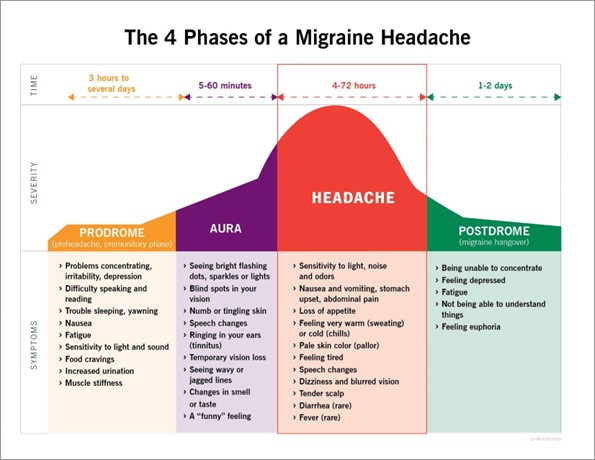
Migraines with aura are considered a contraindication to the use of oral contraceptives. Auras are neurological symptoms that occur before or during migraines and can include visual disturbances, sensory changes, or speech difficulties. Women who experience migraines with aura have an increased risk of ischemic stroke when taking oral contraceptives. Therefore, it is important to identify this condition as a contraindication and explore alternative contraceptive options for the client.
C. BMI of 25
Is not contraindications to the use of oral contraceptives.
D. History of cholecystectomy
Is not contraindications to the use of oral contraceptives.
This question is an excerpt from Nurse Dive's nursing test bank - VATI PN Comprehensive Predictor 2020 Proctored Exam. Take the full exam now
Full Explanation
b. Migraines with aura.
Explanation:
Migraines with aura are considered a contraindication to the use of oral contraceptives. Auras are neurological symptoms that occur before or during migraines and can include visual disturbances, sensory changes, or speech difficulties. Women who experience migraines with aura have an increased risk of ischemic stroke when taking oral contraceptives. Therefore, it is important to identify this condition as a contraindication and explore alternative contraceptive options for the client.
The other options (a. History of renal calculus, c. BMI of 25, d. History of cholecystectomy) are not contraindications to the use of oral contraceptives.
Similar Questions
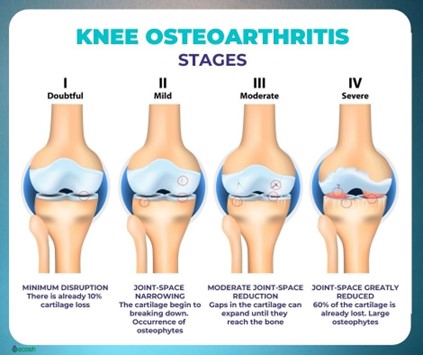
A nurse is reinforcing discharge teaching with an older adult client who has osteoarthritis. Which of the following statements by the client indicates an understanding of the teaching?
A. "I will apply cold compresses when my joints are painful."
Applying cold compresses may not be the most effective way to manage pain associated with osteoarthritis. Heat therapy is often more effective for this condition.
B. "I will limit purine intake in my diet."
Limiting purine intake in the diet is recommended for clients with gout, not osteoarthritis.
C. "I plan to take water aerobics classes at the gym near my house."
The statement by the client that indicates an understanding of the teaching is "I plan to take water aerobics classes at the gym near my house." Exercise is an important part of managing osteoarthritis, and water aerobics is a low-impact exercise that can help improve joint mobility and reduce pain.
D. "I will avoid the use of ibuprofen for pain control."
Ibuprofen can be an effective pain reliever for clients with osteoarthritis.
Full Explanation
The statement by the client that indicates an understanding of the teaching is "I plan to take water aerobics classes at the gym near my house." Exercise is an important part of managing osteoarthritis, and water aerobics is a low-impact exercise that can help improve joint mobility and reduce pain.
Option a is incorrect because applying cold compresses may not be the most effective way to manage pain associated with osteoarthritis. Heat therapy is often more effective for this condition.
Option b is incorrect because limiting purine intake in the diet is recommended for clients with gout, not osteoarthritis.
Option d is incorrect because ibuprofen can be an effective pain reliever for clients with osteoarthritis.
A nurse is preparing to admit a client who has bacterial meningitis. Which of the following items should the
nurse place in the client's room?
A. Oral irrigating device
An oral irrigating device is not necessary for a client with bacterial meningitis. Bacterial meningitis primarily affects the central nervous system and does not require oral care interventions. The focus of care for these clients is on managing the infection, monitoring vital signs, and providing supportive care.
B. Seizure pads
The nurse should place seizure pads in the client's room when admitting a client with bacterial meningitis. Bacterial meningitis is an infection that affects the meninges, the protective membranes covering the brain and spinal cord. It can cause inflammation and swelling of the brain, leading to an increased risk of seizures. Seizure pads are specifically designed to provide a cushioning and protective barrier between the client's head and the hard surface, reducing the risk of injury during a seizure. They are placed on the bed or matress to help prevent head trauma or other injuries that may occur if a seizure occurs. Now, let's discuss why the other options are not necessary for the client with bacterial meningitis:
C. Sterile gloves
While sterile gloves are commonly used in healthcare settings, they are not specifically required for the care of a client with bacterial meningitis. Standard precautions, including the use of non-sterile gloves, are sufficient for providing care to these clients. Sterile gloves are typically used for invasive procedures or when there is a need to maintain a sterile field.
D. Tongue blade
A tongue blade is not necessary for the care of a client with bacterial meningitis. Tongue blades are typically used for oral assessments or when examining the throat, which are not directly related to the management or treatment of bacterial meningitis. The focus of care for these clients is on infection control, monitoring for complications, and providing comfort and support.
Full Explanation
b. Seizure pads
Explanation:
The nurse should place seizure pads in the client's room when admitting a client with bacterial meningitis. Bacterial meningitis is an infection that affects the meninges, the protective membranes covering the brain and spinal cord. It can cause inflammation and swelling of the brain, leading to an increased risk of seizures.
Seizure pads are specifically designed to provide a cushioning and protective barrier between the client's head and the hard surface, reducing the risk of injury during a seizure. They are placed on the bed or matress to help prevent head trauma or other injuries that may occur if a seizure occurs.
Now, let's discuss why the other options are not necessary for the client with bacterial meningitis:
a. Oral irrigating device:
An oral irrigating device is not necessary for a client with bacterial meningitis. Bacterial meningitis primarily affects the central nervous system and does not require oral care interventions. The focus of care for these clients is on managing the infection, monitoring vital signs, and providing supportive care.
c. Sterile gloves:
While sterile gloves are commonly used in healthcare settings, they are not specifically required for the care of a client with bacterial meningitis. Standard precautions, including the use of non-sterile gloves, are sufficient for providing care to these clients. Sterile gloves are typically used for invasive procedures or when there is a need to maintain a sterile field.
d. Tongue blade:
A tongue blade is not necessary for the care of a client with bacterial meningitis. Tongue blades are typically used for oral assessments or when examining the throat, which are not directly related to the management or treatment of bacterial meningitis. The focus of care for these clients is on infection control, monitoring for complications, and providing comfort and support.
In summary, when admitting a client with bacterial meningitis, the nurse should prioritize placing seizure pads in the client's room to ensure their safety during potential seizure activity.

A nurse is providing preoperative teaching for an adolescent who is scheduled for a cardiac catheterization. Which of the following instructions should the nurse include?
A. "You can resume a regular diet 3 days after your procedure."
There is no information suggesting that a client must wait 3 days before resuming a regular diet after cardiac catheterization.
B. "You can take a shower 1 day after your procedure."
The instruction that the nurse should include is "You can take a shower 1 day after your procedure." According to the Cleveland Clinic, the morning after the procedure, the client may take the dressing off the catheter insertion site. The easiest way to do this is when showering, get the tape and dressing wet and remove it
C. "You can begin exercising 2 days after your procedure."
Option c is incorrect because according to the Cleveland Clinic, clients should gradually increase their activities until they reach their normal activity level within one week after the procedure.
D. "You can return to school 1 week after your procedure."
There is no information suggesting that a client must wait 1 week before returning to school after cardiac catheterization.
Full Explanation
The instruction that the nurse should include is "You can take a shower 1 day after your procedure." According to the Cleveland Clinic, the morning after the procedure, the client may take the dressing off the catheter insertion site. The easiest way to do this is when showering, get the tape and dressing wet and remove it.
Option a is incorrect because there is no information suggesting that a client must wait 3 days before resuming a regular diet after a cardiac catheterization.
Option c is incorrect because according to the Cleveland Clinic, clients should gradually increase their activities until they reach their normal activity level within one week after the procedure.
Option d is incorrect because there is no information suggesting that a client must wait 1 week before returning to school after cardiac catheterization.