
Nursing practice questions with comprehensive rationales
NurseDive Free Nursing Practice Question
A nurse is shopping and finds a woman who has collapsed with right-sided weakness and slurred speech.
Which of the following actions should the nurse take?
A. Call emergency medical services.
The nurse should call emergency medical services if they find a woman who has collapsed with right-sided weakness and slurred speech. These symptoms could indicate a stroke or other serious medical condition that requires immediate medical attention. Finding a location for the client to sit, driving the client to the nearest emergency room, and obtaining the number of the client's provider are not appropriate initial actions for the nurse to take in this situation. The priority is to get the client immediate medical attention by calling emergency medical services.
B. Find a location for the client to sit.
C. Drive the client to the nearest emergency room.
D. Obtain the number of the client's provider.
This question is an excerpt from Nurse Dive's nursing test bank - ATI Custom MS Nurse Proctored Exam. Take the full exam now
Full Explanation
The nurse should call emergency medical services if they find a woman who has collapsed with right-sided weakness and slurred speech. These symptoms could indicate a stroke or other serious medical condition that requires immediate medical attention.
Finding a location for the client to sit, driving the client to the nearest emergency room, and obtaining the number of the client's provider are not appropriate initial actions for the nurse to take in this situation. The priority is to get the client immediate medical attention by calling emergency medical services.
Similar Questions
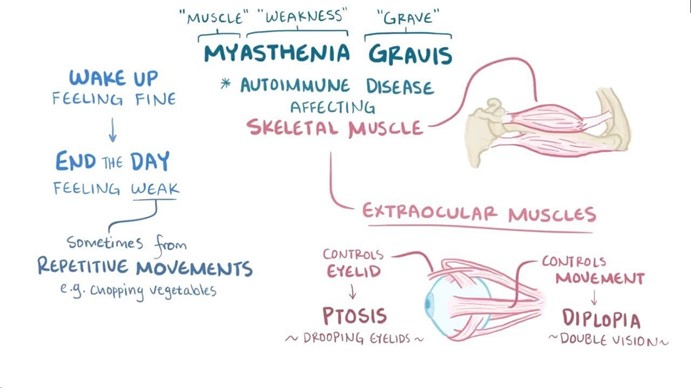
A nurse in the emergency department is assisting with the care of a client who has myasthenia gravis and is in crisis. The nurse should identify that which of the following factors can cause a myasthenic crisis?
A. Taking too much prescribed medication
B. Developing a respiratory infection
The nurse should identify that developing a respiratory infection can cause a myasthenic crisis in a client who has myasthenia gravis. A myasthenic crisis is a sudden worsening of myasthenia gravis symptoms, which can include difficulty breathing and swallowing. Respiratory infections can exacerbate these symptoms and trigger a myasthenic crisis. Taking too much-prescribed medication, insufficient exercise, and insufficient sleep are not factors that can cause a myasthenic crisis. Taking too much-prescribed medication can cause side effects but would not directly cause a myasthenic crisis. Insufficient exercise and insufficient sleep can worsen overall health but would not directly cause a myasthenic crisis.
C. Insufficient sleep
D. Insufficient exercise
Full Explanation
The nurse should identify that developing a respiratory infection can cause a myasthenic crisis in a client who has myasthenia gravis. A myasthenic crisis is a sudden worsening of myasthenia gravis symptoms, which can include difficulty breathing and swallowing. Respiratory infections can exacerbate these symptoms and trigger a myasthenic crisis.
Taking too much-prescribed medication, insufficient exercise, and insufficient sleep are not factors that can cause a myasthenic crisis. Taking too much-prescribed medication can cause side effects but would not directly cause a myasthenic crisis. Insufficient exercise and insufficient sleep can worsen overall health but would not directly cause a myasthenic crisis.
A nurse is collecting data from a client who fell at home and reported a brief loss of consciousness. Which of the following findings should the nurse immediately report to the charge nurse?
A. Edematous bruise on forehead
B. Client disoriented to place
C. Heart rate 110/min and regular
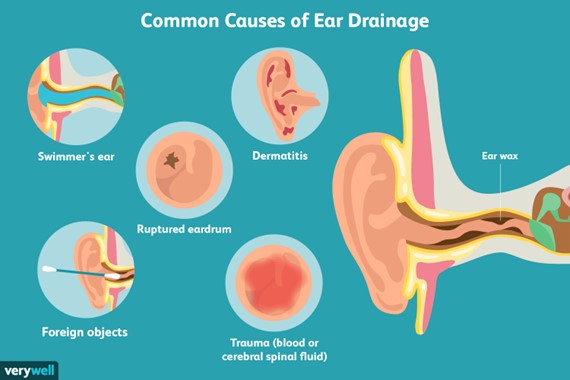
D. Small drops of clear fluid in left ear
The nurse should immediately report small drops of clear fluid in the left ear to the charge nurse. This finding could indicate a cerebrospinal fluid (CSF) leak, which can occur as a result of a head injury. A CSF leak can be a serious medical condition that requires immediate attention. An edematous bruise on the forehead, client disorientation to place, and a heart rate of 110/min and regular are also important findings that the nurse should report to the charge nurse. However, these findings are not as urgent as the presence of small drops of clear fluid in the left ear.
Full Explanation
The nurse should immediately report small drops of clear fluid in the left ear to the charge nurse. This finding could indicate a cerebrospinal fluid (CSF) leak, which can occur as a result of a head injury. A CSF leak can be a serious medical condition that requires immediate attention.
An edematous bruise on the forehead, client disorientation to place, and a heart rate of 110/min and regular are also important findings that the nurse should report to the charge nurse. However, these findings are not as urgent as the presence of small drops of clear fluid in the left ear.
A nurse is reviewing discharge instructions with the family of a client who sustained a minor head injury earlier in the day. Which of the following instructions should the nurse include?
A. Apply heat to the area of swelling for the first 48 hr.
B. Repeatedly ask the client questions to check for orientation.
C. Do not let the client engage in strenuous activities for 1 week.
The nurse should instruct the family to not let the client engage in strenuous activities for 1 week following a minor head injury. This can help prevent further injury and allow the client to rest and recover. Applying heat to the area of swelling for the first 48 hr, repeatedly asking the client questions to check for orientation, and encouraging the client to sleep for the first 24 hr are not appropriate instructions for the nurse to include in this situation. Applying heat can increase swelling and inflammation. Repeatedly asking the client questions can be disorienting and confusing. Encouraging the client to sleep for the first 24 hr is not necessary and could interfere with monitoring the client's condition.
D. Encourage the client to sleep for the first 24 hr.
Full Explanation
The nurse should instruct the family to not let the client engage in strenuous activities for 1 week following a minor head injury. This can help prevent further injury and allow the client to rest and recover.
Applying heat to the area of swelling for the first 48 hr, repeatedly asking the client questions to check for orientation, and encouraging the client to sleep for the first 24 hr are not appropriate instructions for the nurse to include in this situation. Applying heat can increase swelling and inflammation. Repeatedly asking the client questions can be disorienting and confusing. Encouraging the client to sleep for the first 24 hr is not necessary and could interfere with monitoring the client's condition.