
Nursing practice questions with comprehensive rationales
NurseDive Free Nursing Practice Question
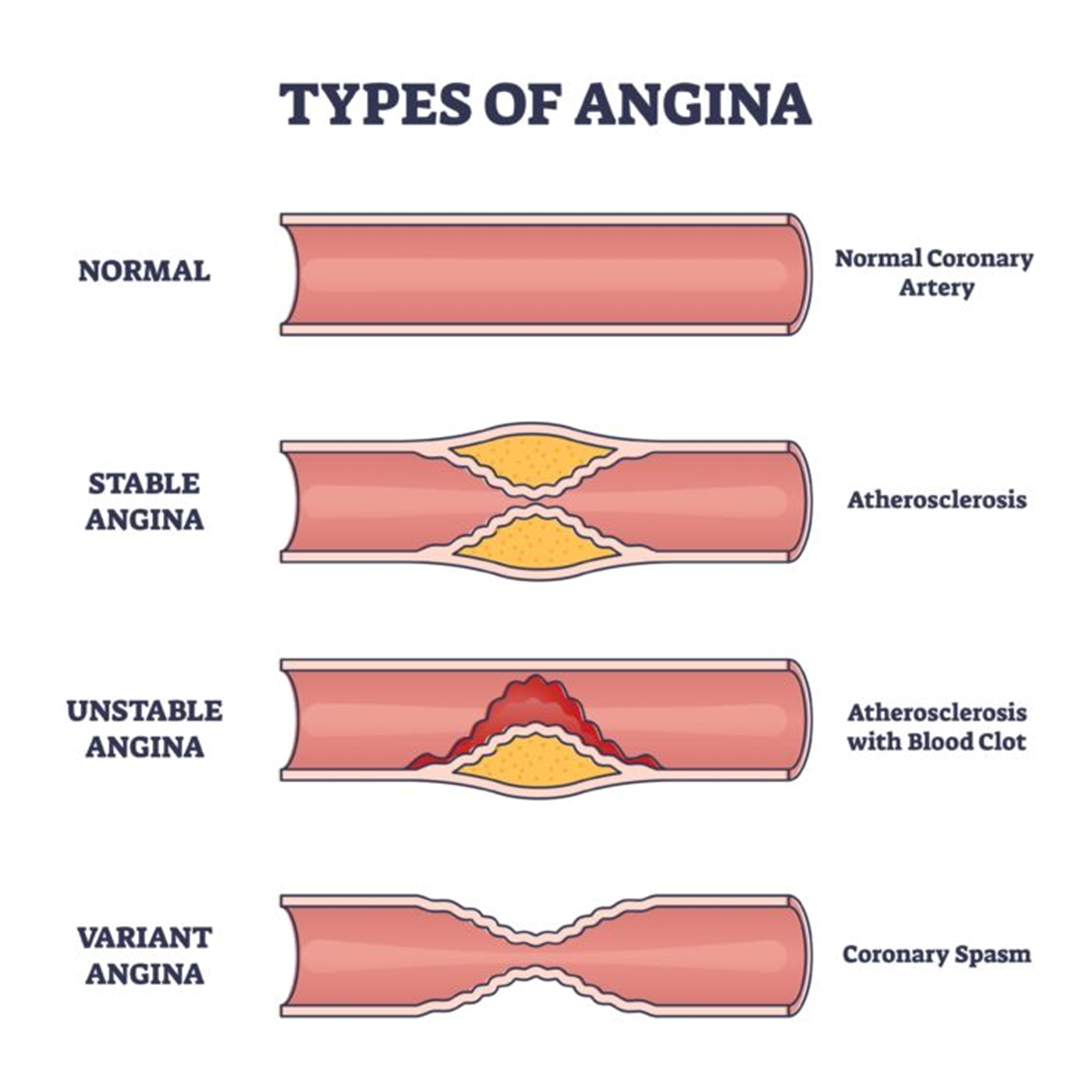
A nurse is teaching a client who has angina about nitroglycerin sublingual tablets. Which of the following statements should the nurse include in the teaching?
A. "Place one tablet under your tongue every 5 minutes for 30 minutes to relieve chest pain."
"Place one tablet under your tongue every 5 minutes for 30 minutes to relieve chest pain." is not the correct statement. This is an incorrect and potentially dangerous instruction, as it can cause overdose and severe hypotension. The nurse should instruct the client to place one tablet under the tongue at the first sign of chest pain, and repeat every 5 minutes for up to three doses, if needed. The client should call 911 if the pain is not relieved after the first dose.
B. "Nitroglycerin decreases chest pain by dissolving blood clots that are occluding the arteries."
"Nitroglycerin decreases chest pain by dissolving blood clots that are occluding the arteries." is not the correct statement. This is a false and misleading explanation of how nitroglycerin works. Nitroglycerin does not dissolve blood clots, nor does it affect the occlusion of the arteries. Nitroglycerin is a vasodilator that relaxes the smooth muscle of the blood vessels, especially the veins. This reduces the preload and the oxygen demand of the heart, and relieves the chest pain caused by ischemia.
C. "You can store the bottle of tablets in your bathroom medicine cabinet."
"You can store the bottle of tablets in your bathroom medicine cabinet." is not the correct statement. This is an inappropriate and unsafe storage recommendation, as it can affect the potency and effectiveness of the medication. The nurse should instruct the client to store the bottle of tablets in a cool, dry, and dark place, away from heat, moisture, and light. The client should also keep the bottle tightly closed and replace it every 6 months, or as directed by the provider.
D. "Nitroglycerin dilates cardiac blood vessels to deliver more oxygen to the heart."
"Nitroglycerin dilates cardiac blood vessels to deliver more oxygen to the heart." is the correct statement. This is a simple and accurate description of how nitroglycerin helps to relieve anginal pain. Nitroglycerin dilates the coronary arteries, which supply blood and oxygen to the heart muscle. This improves the blood flow and oxygen delivery to the ischemic areas of the heart, and reduces the pain and discomfort.
This question is an excerpt from Nurse Dive's nursing test bank - Ati Pharmacology Proctored Exam 2. Take the full exam now
Full Explanation
Choice A reason: "Place one tablet under your tongue every 5 minutes for 30 minutes to relieve chest pain." is not the correct statement. This is an incorrect and potentially dangerous instruction, as it can cause overdose and severe hypotension. The nurse should instruct the client to place one tablet under the tongue at the first sign of chest pain, and repeat every 5 minutes for up to three doses, if needed. The client should call 911 if the pain is not relieved after the first dose.
Choice B reason: "Nitroglycerin decreases chest pain by dissolving blood clots that are occluding the arteries." is not the correct statement. This is a false and misleading explanation of how nitroglycerin works. Nitroglycerin does not dissolve blood clots, nor does it affect the occlusion of the arteries. Nitroglycerin is a vasodilator that relaxes the smooth muscle of the blood vessels, especially the veins. This reduces the preload and the oxygen demand of the heart, and relieves the chest pain caused by ischemia.
Choice C reason: "You can store the bottle of tablets in your bathroom medicine cabinet." is not the correct statement. This is an inappropriate and unsafe storage recommendation, as it can affect the potency and effectiveness of the medication. The nurse should instruct the client to store the bottle of tablets in a cool, dry, and dark place, away from heat, moisture, and light. The client should also keep the bottle tightly closed and replace it every 6 months, or as directed by the provider.
Choice D reason: "Nitroglycerin dilates cardiac blood vessels to deliver more oxygen to the heart." is the correct statement. This is a simple and accurate description of how nitroglycerin helps to relieve anginal pain. Nitroglycerin dilates the coronary arteries, which supply blood and oxygen to the heart muscle. This improves the blood flow and oxygen delivery to the ischemic areas of the heart, and reduces the pain and discomfort.
Similar Questions
A client who is receiving magnesium sulfate has a urine output of 20 mL/hr. Which of the following medications should the nurse expect to administer?
A. Naloxone
Naloxone is not the correct medication. Naloxone is an opioid antagonist that reverses the effects of opioid overdose, such as respiratory depression, sedation, and hypotension. Naloxone has no effect on magnesium sulfate, which is a mineral and electrolyte that is used to prevent seizures in clients with preeclampsia or eclampsia.
B. Protamine
Protamine is not the correct medication. Protamine is a heparin antagonist that reverses the effects of heparin overdose, such as bleeding, bruising, and thrombocytopenia. Protamine has no effect on magnesium sulfate, which is not an anticoagulant.
C. Calcium gluconate
Calcium gluconate is the correct medication. Calcium gluconate is a calcium salt that antagonizes the effects of magnesium sulfate overdose, such as hypotension, bradycardia, respiratory depression, and muscle weakness. Calcium gluconate is the antidote for magnesium sulfate toxicity, which can occur when the serum magnesium level is above 7.5 mEq/L. The nurse should monitor the client's vital signs, deep tendon reflexes, and urine output, and report any signs of toxicity to the provider.
D. Flumazenil
Flumazenil is not the correct medication. Flumazenil is a benzodiazepine antagonist that reverses the effects of benzodiazepine overdose, such as drowsiness, confusion, and coma. Flumazenil has no effect on magnesium sulfate, which is not a sedative.
Full Explanation
Choice A reason: Naloxone is not the correct medication. Naloxone is an opioid antagonist that reverses the effects of opioid overdose, such as respiratory depression, sedation, and hypotension. Naloxone has no effect on magnesium sulfate, which is a mineral and electrolyte that is used to prevent seizures in clients with preeclampsia or eclampsia.
Choice B reason: Protamine is not the correct medication. Protamine is a heparin antagonist that reverses the effects of heparin overdose, such as bleeding, bruising, and thrombocytopenia. Protamine has no effect on magnesium sulfate, which is not an anticoagulant.
Choice C reason: Calcium gluconate is the correct medication. Calcium gluconate is a calcium salt that antagonizes the effects of magnesium sulfate overdose, such as hypotension, bradycardia, respiratory depression, and muscle weakness. Calcium gluconate is the antidote for magnesium sulfate toxicity, which can occur when the serum magnesium level is above 7.5 mEq/L. The nurse should monitor the client's vital signs, deep tendon reflexes, and urine output, and report any signs of toxicity to the provider.
Choice D reason: Flumazenil is not the correct medication. Flumazenil is a benzodiazepine antagonist that reverses the effects of benzodiazepine overdose, such as drowsiness, confusion, and coma. Flumazenil has no effect on magnesium sulfate, which is not a sedative.
A nurse is caring for a client who has acute respiratory distress syndrome (ARDS) and requires mechanical ventilation. The client receives a prescription for pancuronium. The nurse recognizes that this medication is for which of the following purposes?
A. Suppress respiratory effort
Suppressing respiratory effort is the correct purpose of pancuronium. Pancuronium is a neuromuscular blocking agent that paralyzes the skeletal muscles, including the respiratory muscles. This prevents the client from breathing spontaneously and allows the mechanical ventilator to control the ventilation. Pancuronium is used to improve oxygenation and prevent barotrauma in clients with ARDS, who have severe hypoxemia and stiff lungs.
B. Decrease chest wall compliance
Decreasing chest wall compliance is not the correct purpose of pancuronium. Chest wall compliance is the measure of how easily the chest wall expands during inspiration. Decreasing chest wall compliance means increasing the resistance to lung expansion, which can worsen the ventilation and oxygenation in clients with ARDS. Pancuronium does not affect the chest wall compliance, but rather the muscle tone.
C. Decrease respiratory secretions
Decreasing respiratory secretions is not the correct purpose of pancuronium. Respiratory secretions are the mucus and fluid that are produced by the respiratory tract to moisten and protect the airways. Decreasing respiratory secretions can cause dryness and irritation of the mucous membranes, which can increase the risk of infection and inflammation. Pancuronium does not affect the respiratory secretions, but rather the nerve impulses.
D. Induce sedation
Inducing sedation is not the correct purpose of pancuronium. Sedation is a state of reduced consciousness, awareness, or responsiveness. Inducing sedation can help to reduce anxiety, pain, and agitation in clients who are mechanically ventilated. Pancuronium does not induce sedation, but rather paralysis. Pancuronium does not affect the central nervous system, but rather the peripheral nervous system. The nurse should administer a sedative agent, such as propofol or midazolam, along with pancuronium to ensure the client's comfort and safety.
Full Explanation
Choice A reason: Suppressing respiratory effort is the correct purpose of pancuronium. Pancuronium is a neuromuscular blocking agent that paralyzes the skeletal muscles, including the respiratory muscles. This prevents the client from breathing spontaneously and allows the mechanical ventilator to control the ventilation. Pancuronium is used to improve oxygenation and prevent barotrauma in clients with ARDS, who have severe hypoxemia and stiff lungs.
Choice B reason: Decreasing chest wall compliance is not the correct purpose of pancuronium. Chest wall compliance is the measure of how easily the chest wall expands during inspiration. Decreasing chest wall compliance means increasing the resistance to lung expansion, which can worsen the ventilation and oxygenation in clients with ARDS. Pancuronium does not affect the chest wall compliance, but rather the muscle tone.
Choice C reason: Decreasing respiratory secretions is not the correct purpose of pancuronium. Respiratory secretions are the mucus and fluid that are produced by the respiratory tract to moisten and protect the airways. Decreasing respiratory secretions can cause dryness and irritation of the mucous membranes, which can increase the risk of infection and inflammation. Pancuronium does not affect the respiratory secretions, but rather the nerve impulses.
Choice D reason: Inducing sedation is not the correct purpose of pancuronium. Sedation is a state of reduced consciousness, awareness, or responsiveness. Inducing sedation can help to reduce anxiety, pain, and agitation in clients who are mechanically ventilated. Pancuronium does not induce sedation, but rather paralysis. Pancuronium does not affect the central nervous system, but rather the peripheral nervous system. The nurse should administer a sedative agent, such as propofol or midazolam, along with pancuronium to ensure the client's comfort and safety.
A nurse is providing discharge teaching to a client who has a new prescription for warfarin. Which of the following statements by the client indicates an understanding of the teaching?
A. "I'll be sure to eat more foods with vitamin K."
"I'll be sure to eat more foods with vitamin K." is not the correct statement. Vitamin K is a nutrient that helps the blood to clot. Warfarin is an anticoagulant that inhibits the action of vitamin K and prevents the formation of blood clots. Eating more foods with vitamin K can counteract the effect of warfarin and increase the risk of thrombosis. The client should maintain a consistent intake of vitamin K and avoid sudden changes in their diet.
B. "I'll take aspirin for my headaches."
"I'll take aspirin for my headaches." is not the correct statement. Aspirin is a nonsteroidal anti-inflammatory drug (NSAID) that inhibits platelet aggregation and prolongs bleeding time. Taking aspirin with warfarin can increase the risk of bleeding and bruising. The client should avoid taking any NSAIDs without consulting their provider. The client should use acetaminophen or other non-NSAID pain relievers for their headaches.
C. "I'll use my electric razor for shaving."
"I'll use my electric razor for shaving." is the correct statement. Using an electric razor for shaving can reduce the risk of cuts and bleeding. The client should avoid using sharp objects or instruments that can cause injury or trauma. The client should also use a soft toothbrush and floss gently to prevent bleeding gums.
D. "It's okay to have a couple of glasses of wine with dinner each evening."
"It's okay to have a couple of glasses of wine with dinner each evening." is not the correct statement. Alcohol can interact with warfarin and affect its metabolism and effectiveness. Drinking alcohol with warfarin can either increase or decrease the blood levels of warfarin and alter the international normalized ratio (INR), which is a measure of the blood's clotting ability. The client should limit their alcohol intake and monitor their INR regularly.
Full Explanation
Choice A reason: "I'll be sure to eat more foods with vitamin K." is not the correct statement. Vitamin K is a nutrient that helps the blood to clot. Warfarin is an anticoagulant that inhibits the action of vitamin K and prevents the formation of blood clots. Eating more foods with vitamin K can counteract the effect of warfarin and increase the risk of thrombosis. The client should maintain a consistent intake of vitamin K and avoid sudden changes in their diet.
Choice B reason: "I'll take aspirin for my headaches." is not the correct statement. Aspirin is a nonsteroidal anti-inflammatory drug (NSAID) that inhibits platelet aggregation and prolongs bleeding time. Taking aspirin with warfarin can increase the risk of bleeding and bruising. The client should avoid taking any NSAIDs without consulting their provider. The client should use acetaminophen or other non-NSAID pain relievers for their headaches.
Choice C reason: "I'll use my electric razor for shaving." is the correct statement. Using an electric razor for shaving can reduce the risk of cuts and bleeding. The client should avoid using sharp objects or instruments that can cause injury or trauma. The client should also use a soft toothbrush and floss gently to prevent bleeding gums.
Choice D reason: "It's okay to have a couple of glasses of wine with dinner each evening." is not the correct statement. Alcohol can interact with warfarin and affect its metabolism and effectiveness. Drinking alcohol with warfarin can either increase or decrease the blood levels of warfarin and alter the international normalized ratio (INR), which is a measure of the blood's clotting ability. The client should limit their alcohol intake and monitor their INR regularly.