
Nursing practice questions with comprehensive rationales
NurseDive Free Nursing Practice Question
A nurse is teaching a client who has celiac disease about gluten-free foods. Which of the following foods should the nurse recommend?
A. Tapioca
Tapioca is a gluten-free food that can be recommended for a client who has celiac disease. Tapioca is a starch extracted from the cassava root, which is a tuber plant. Tapioca can be used to make puddings, breads, flours, and pearls.
B. Barley
Barley is not a gluten-free food that can be recommended for a client who has celiac disease. Barley is a cereal grain that contains gluten, which is a protein that can trigger an immune response and damage the small intestine in people who have celiac disease. Barley should be avoided or replaced with gluten-free grains, such as rice, quinoa, or buckwheat.
C. Cold cuts
Cold cuts are not gluten-free foods that can be recommended for a client who has celiac disease. Cold cuts are sliced meats that are often processed and cured with additives, such as fillers, binders, and preservatives, that may contain gluten. Cold cuts should be avoided or checked for gluten-free labels before consuming.
D. Flavored chips
Flavored chips are not gluten-free foods that can be recommended for a client who has celiac disease. Flavored chips are snack foods that are often made from potatoes, corn, or rice, which are gluten-free ingredients, but they may also contain seasonings, spices, and sauces that may contain gluten. Flavored chips should be avoided or checked for gluten-free labels before consuming.
This question is an excerpt from Nurse Dive's nursing test bank - RN Nutrition 2019 Nexy Updated 2023 Proctored Exam. Take the full exam now
Full Explanation
Choice A reason: Tapioca is a gluten-free food that can be recommended for a client who has celiac disease. Tapioca is a starch extracted from the cassava root, which is a tuber plant. Tapioca can be used to make puddings, breads, flours, and pearls.
Choice B reason: Barley is not a gluten-free food that can be recommended for a client who has celiac disease. Barley is a cereal grain that contains gluten, which is a protein that can trigger an immune response and damage the small intestine in people who have celiac disease. Barley should be avoided or replaced with gluten-free grains, such as rice, quinoa, or buckwheat.
Choice C reason: Cold cuts are not gluten-free foods that can be recommended for a client who has celiac disease. Cold cuts are sliced meats that are often processed and cured with additives, such as fillers, binders, and preservatives, that may contain gluten. Cold cuts should be avoided or checked for gluten-free labels before consuming.
Choice D reason: Flavored chips are not gluten-free foods that can be recommended for a client who has celiac disease. Flavored chips are snack foods that are often made from potatoes, corn, or rice, which are gluten-free ingredients, but they may also contain seasonings, spices, and sauces that may contain gluten. Flavored chips should be avoided or checked for gluten-free labels before consuming.

Similar Questions
A nurse is providing dietary teaching to a client who has a body mass index of 28. Which of the following actions should the nurse take?
A. Recommend a total fiber intake of 12 g each day.
Recommending a total fiber intake of 12 g each day is not an appropriate action for the nurse to take because it is too low for most adults. The recommended dietary allowance (RDA. for fiber is 25 g per day for women and 38 g per day for men, which can help lower cholesterol, regulate blood sugar, and promote bowel health.
B. Refer the client to a weight-loss support group.
Referring the client to a weight-loss support group is an appropriate action for the nurse to take because it can help the client achieve and maintain a healthy weight. A body mass index (BMI) of 28 indicates overweight, which can increase the risk of chronic diseases, such as diabetes, hypertension, and cardiovascular disease. A weight-loss support group can provide education, motivation, and accountability for the client.
C. Advise the client to add 500 calories per day to the diet.
Advising the client to add 500 calories per day to the diet is not an appropriate action for the nurse to take because it can lead to weight gain. A client who has a BMI of 28 does not need to increase their caloric intake unless they have other medical conditions or nutritional needs that require more calories. Adding 500 calories per day to the diet can result in gaining about one pound per week, which can worsen the health outcomes of the client.
D. Encourage the client to continue current daily caloric intake.
Encouraging the client to continue current daily caloric intake is not an appropriate action for the nurse to take because it may prevent weight loss. A client who has a BMI of 28 needs to reduce their caloric intake by 500 to 1,000 calories per day to lose one to two pounds per week, which is considered a safe and effective rate of weight loss.
Full Explanation
Choice A reason: Recommending a total fiber intake of 12 g each day is not an appropriate action for the nurse to take because it is too low for most adults. The recommended dietary allowance (RDA. for fiber is 25 g per day for women and 38 g per day for men, which can help lower cholesterol, regulate blood sugar, and promote bowel health.
Choice B reason: Referring the client to a weight-loss support group is an appropriate action for the nurse to take because it can help the client achieve and maintain a healthy weight. A body mass index (BMI) of 28 indicates overweight, which can increase the risk of chronic diseases, such as diabetes, hypertension, and cardiovascular disease. A weight-loss support group can provide education, motivation, and accountability for the client.
Choice C reason: Advising the client to add 500 calories per day to the diet is not an appropriate action for the nurse to take because it can lead to weight gain. A client who has a BMI of 28 does not need to increase their caloric intake unless they have other medical conditions or nutritional needs that require more calories. Adding 500 calories per day to the diet can result in gaining about one pound per week, which can worsen the health outcomes of the client.
Choice D reason: Encouraging the client to continue current daily caloric intake is not an appropriate action for the nurse to take because it may prevent weight loss. A client who has a BMI of 28 needs to reduce their caloric intake by 500 to 1,000 calories per day to lose one to two pounds per week, which is considered a safe and effective rate of weight loss.
A nurse is providing teaching about food poisoning prevention to a group of clients who are self-catering. Which of the following choices by one of the clients demonstrates an understanding of the teaching?
A. Thaw frozen meat on the counter.
Thawing frozen meat on the counter is not a good practice for food poisoning prevention because it can allow bacteria to grow rapidly on the surface of the meat. Thawing frozen meat should be done in the refrigerator, in cold water, or in the microwave.
B. Reuse leftover marinade as sauce.
Reusing leftover marinade as sauce is not a good practice for food poisoning prevention because it can contaminate cooked food with raw meat juices that may contain bacteria. Leftover marinade should be discarded or boiled for at least one minute before using as sauce.
C. Apple pie
Apple pie is a good choice for food poisoning prevention because it is unlikely to contain harmful bacteria or toxins. Apple pie is made from cooked apples, sugar, flour, and butter, which are low-risk ingredients for food poisoning. Apple pie should be stored in the refrigerator or freezer after cooling to prevent spoilage.
D. Cooked rice
Cooked rice is not a good choice for food poisoning prevention because it can harbor a bacterium called Bacillus cereus, which can produce toxins that cause vomiting and diarrhea. Cooked rice should be cooled quickly and stored in the refrigerator for no more than one day or in the freezer for longer periods. Cooked rice should be reheated thoroughly before eating.
Full Explanation
Choice A reason: Thawing frozen meat on the counter is not a good practice for food poisoning prevention because it can allow bacteria to grow rapidly on the surface of the meat. Thawing frozen meat should be done in the refrigerator, in cold water, or in the microwave.
Choice B reason: Reusing leftover marinade as sauce is not a good practice for food poisoning prevention because it can contaminate cooked food with raw meat juices that may contain bacteria. Leftover marinade should be discarded or boiled for at least one minute before using as sauce.
Choice C reason: Apple pie is a good choice for food poisoning prevention because it is unlikely to contain harmful bacteria or toxins. Apple pie is made from cooked apples, sugar, flour, and butter, which are low-risk ingredients for food poisoning. Apple pie should be stored in the refrigerator or freezer after cooling to prevent spoilage.
Choice D reason: Cooked rice is not a good choice for food poisoning prevention because it can harbor a bacterium called Bacillus cereus, which can produce toxins that cause vomiting and diarrhea. Cooked rice should be cooled quickly and stored in the refrigerator for no more than one day or in the freezer for longer periods. Cooked rice should be reheated thoroughly before eating.
A nurse is teaching a client who has food allergies about safe food handling. Which of the following recommendations should the nurse make for the client?
A. Tuna can
Tuna can is not a safe food choice for a client who has food allergies because it may contain traces of other fish or shellfish that can trigger an allergic reaction. Tuna can should be avoided or checked for allergen labels before consuming.
B. Gravy beef
Gravy beef is not a safe food choice for a client who has food allergies because it may contain gluten, soy, or dairy products that can trigger an allergic reaction. Gravy beef should be avoided or checked for allergen labels before consuming.
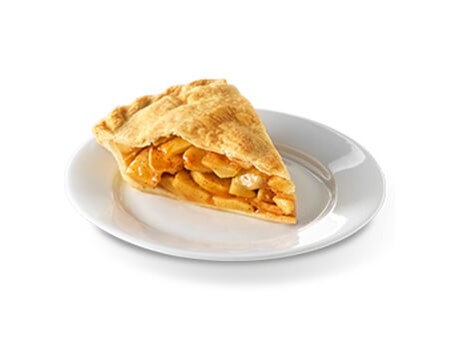
C. Apple pie
Apple pie is a safe food choice for a client who has food allergies because it is unlikely to contain common allergens, such as nuts, eggs, or milk. Apple pie is made from cooked apples, sugar, flour, and butter, which are low-risk ingredients for food allergies. Apple pie should be stored in the refrigerator or freezer after cooling to prevent spoilage.
D. Bread
Bread is not a safe food choice for a client who has food allergies because it may contain gluten, wheat, or sesame seeds that can trigger an allergic reaction. Bread should be avoided or checked for allergen labels before consuming.
Full Explanation
Choice A reason: Tuna can is not a safe food choice for a client who has food allergies because it may contain traces of other fish or shellfish that can trigger an allergic reaction. Tuna can should be avoided or checked for allergen labels before consuming.
Choice B reason: Gravy beef is not a safe food choice for a client who has food allergies because it may contain gluten, soy, or dairy products that can trigger an allergic reaction. Gravy beef should be avoided or checked for allergen labels before consuming.
Choice C reason: Apple pie is a safe food choice for a client who has food allergies because it is unlikely to contain common allergens, such as nuts, eggs, or milk. Apple pie is made from cooked apples, sugar, flour, and butter, which are low-risk ingredients for food allergies. Apple pie should be stored in the refrigerator or freezer after cooling to prevent spoilage.
Choice D reason: Bread is not a safe food choice for a client who has food allergies because it may contain gluten, wheat, or sesame seeds that can trigger an allergic reaction. Bread should be avoided or checked for allergen labels before consuming.