
Nursing practice questions with comprehensive rationales
NurseDive Free Nursing Practice Question
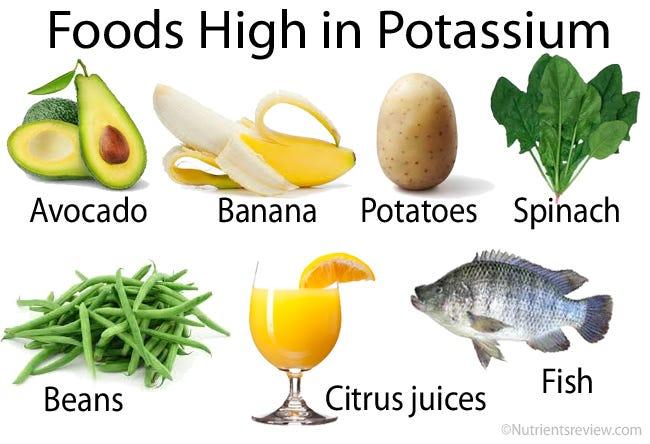
A nurse is teaching a client who has chronic kidney disease about limiting foods that are high in potassium. Which of the following foods should the nurse instruct the client to avoid? (Select all that apply.)
A. Chocolate
Chocolate is known to have moderate levels of potassium and should be limited in a diet for chronic kidney disease to prevent hyperkalemia¹.
B. Green Beans
Green beans are considered a lower potassium vegetable and can be included in a kidney-friendly diet in appropriate portions².
C. Tomatoes
Tomatoes are high in potassium and should be avoided by individuals with chronic kidney disease to maintain safe potassium levels¹.
D. Bananas
Bananas are very high in potassium and are one of the most well-known foods that individuals with chronic kidney disease are advised to avoid¹.
E. Asparagus
Asparagus is lower in potassium compared to other vegetables and can be consumed in moderation by people with chronic kidney disease².
F. Salt substitutes
Salt substitutes often contain potassium chloride and should be avoided as they can significantly increase potassium intake, which is harmful for those with chronic kidney disease¹.
This question is an excerpt from Nurse Dive's nursing test bank - Ati Med Surg Proctored Exam Midterm Rn 36 1125. Take the full exam now
Full Explanation
Choice A rationale
Chocolate is known to have moderate levels of potassium and should be limited in a diet for chronic kidney disease to prevent hyperkalemia¹.
Choice B rationale
Green beans are considered a lower potassium vegetable and can be included in a kidney-friendly diet in appropriate portions².
Choice C rationale
Tomatoes are high in potassium and should be avoided by individuals with chronic kidney disease to maintain safe potassium levels¹.
Choice D rationale
Bananas are very high in potassium and are one of the most well-known foods that individuals with chronic kidney disease are advised to avoid¹.
Choice E rationale
Asparagus is lower in potassium compared to other vegetables and can be consumed in moderation by people with chronic kidney disease².
Choice F rationale
Salt substitutes often contain potassium chloride and should be avoided as they can significantly increase potassium intake, which is harmful for those with chronic kidney disease¹.
Similar Questions
Which of the following are causes of intrarenal acute kidney injury? (Select all that apply.)
A. Hemoglobin from hemolyzed RBCs
Hemoglobin released from hemolyzed red blood cells (RBCs) can cause intrarenal acute kidney injury by obstructing the renal tubules and damaging the nephrons.
B. Benign prostatic hyperplasia
Benign prostatic hyperplasia is a cause of postrenal, not intrarenal, acute kidney injury as it can obstruct the flow of urine out of the bladder.
C. Prostate cancer
Prostate cancer, similar to benign prostatic hyperplasia, typically leads to postrenal acute kidney injury due to urinary obstruction.
D. Myoglobin release from necrotic muscle cells
Myoglobin released from necrotic muscle cells, as seen in conditions like rhabdomyolysis, can cause intrarenal acute kidney injury by precipitating in the renal tubules.
E. Nephrotoxins
Nephrotoxins, such as certain medications, chemicals, or toxins, can directly damage the kidney tissue, leading to intrarenal acute kidney injury.
Full Explanation
Choice A rationale
Hemoglobin released from hemolyzed red blood cells (RBCs) can cause intrarenal acute kidney injury by obstructing the renal tubules and damaging the nephrons.
Choice B rationale
Benign prostatic hyperplasia is a cause of postrenal, not intrarenal, acute kidney injury as it can obstruct the flow of urine out of the bladder.
Choice C rationale
Prostate cancer, similar to benign prostatic hyperplasia, typically leads to postrenal acute kidney injury due to urinary obstruction.
Choice D rationale
Myoglobin released from necrotic muscle cells, as seen in conditions like rhabdomyolysis, can cause intrarenal acute kidney injury by precipitating in the renal tubules.
Choice E rationale
Nephrotoxins, such as certain medications, chemicals, or toxins, can directly damage the kidney tissue, leading to intrarenal acute kidney injury.
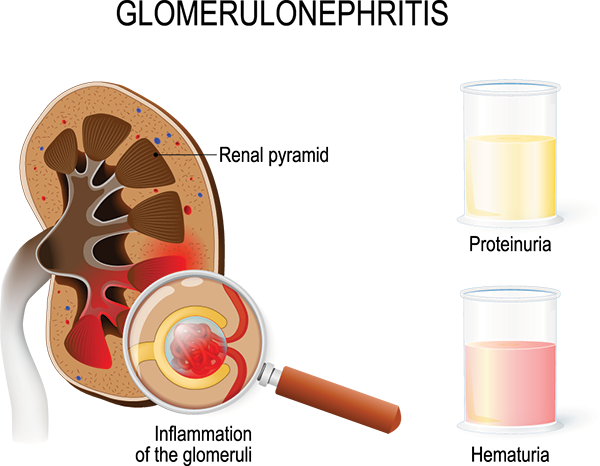
A nurse is providing teaching on common symptoms of glomerulonephritis. What assessment findings are consistent with this diagnosis? (Select all that apply.)
A. Proteinuria
Proteinuria, or the presence of an abnormal amount of protein in the urine, is a hallmark sign of glomerulonephritis. It occurs due to the increased permeability of the glomerular filtration barrier.
B. Hypertension
Hypertension is often associated with glomerulonephritis. The damage to the glomeruli can lead to salt and water retention, contributing to high blood pressure.
C. Periorbital edema
Periorbital edema, which is swelling around the eyes, is a common early symptom of glomerulonephritis. It is caused by fluid retention and leakage into the tissue.
D. Hypotension
Hypotension is not typically associated with glomerulonephritis. In fact, hypertension is more common due to the reasons mentioned above.
E. Hematuria
Hematuria, or blood in the urine, is another common finding in glomerulonephritis. It results from the inflammation and damage to the glomeruli, allowing red blood cells to leak into the urine.
Full Explanation
Choice A rationale
Proteinuria, or the presence of an abnormal amount of protein in the urine, is a hallmark sign of glomerulonephritis. It occurs due to the increased permeability of the glomerular filtration barrier.
Choice B rationale
Hypertension is often associated with glomerulonephritis. The damage to the glomeruli can lead to salt and water retention, contributing to high blood pressure.
Choice C rationale
Periorbital edema, which is swelling around the eyes, is a common early symptom of glomerulonephritis. It is caused by fluid retention and leakage into the tissue.
Choice D rationale
Hypotension is not typically associated with glomerulonephritis. In fact, hypertension is more common due to the reasons mentioned above.
Choice E rationale
Hematuria, or blood in the urine, is another common finding in glomerulonephritis. It results from the inflammation and damage to the glomeruli, allowing red blood cells to leak into the urine.
A nurse is developing a plan of care for a client who has a new ileal conduit. Which of the following should the nurse include as risks for the client? (Select all that apply.)
A. Anxiety
Choice A reason: A new ileal conduit is a permanent life change that requires the client to learn complex self-care skills. The uncertainty regarding stoma management, fear of appliance leakage in public, and the lifestyle adjustments required often lead to significant anxiety. The nurse must address these psychological stressors during the initial postoperative period to promote successful adaptation.
B. Impaired skin integrity
Choice B reason: The continuous drainage of urine from the stoma creates a high risk for peristomal skin breakdown. Urine is caustic to the skin, and moisture trapped under the skin barrier can lead to maceration, dermatitis, or fungal infections. Maintaining a secure, well-fitted appliance and assessing the skin frequently are essential nursing interventions for this risk.
C. Infection
Choice C reason: Surgical creation of an ileal conduit involves bowel resection and ureteral implantation, increasing the risk for peritonitis or wound infection. Furthermore, since the conduit is a direct pathway to the kidneys without a sphincter, the client is at lifelong risk for ascending urinary tract infections or pyelonephritis requiring vigilant monitoring.
D. Fluid volume deficit
Choice D reason: While postoperative patients require fluid monitoring, an ileal conduit does not typically cause a chronic fluid volume deficit. Unlike an ileostomy, where significant water and electrolytes are lost through liquid stool, the ileal conduit simply transports urine. Unless there is excessive surgical bleeding or unrelated dehydration, this is not a primary risk.
E. Disturbed body image
Choice E reason: The permanent diversion of urine to an external pouch on the abdomen significantly alters the client's physical appearance and "normal" elimination process. Concerns regarding sexual function, clothing choices, and the presence of a stoma frequently lead to a disturbed body image, necessitating supportive counseling and referral to an ostomy nurse.
Full Explanation
Choice A reason: A new ileal conduit is a permanent life change that requires the client to learn complex self-care skills. The uncertainty regarding stoma management, fear of appliance leakage in public, and the lifestyle adjustments required often lead to significant anxiety. The nurse must address these psychological stressors during the initial postoperative period to promote successful adaptation.
Choice B reason: The continuous drainage of urine from the stoma creates a high risk for peristomal skin breakdown. Urine is caustic to the skin, and moisture trapped under the skin barrier can lead to maceration, dermatitis, or fungal infections. Maintaining a secure, well-fitted appliance and assessing the skin frequently are essential nursing interventions for this risk.
Choice C reason: Surgical creation of an ileal conduit involves bowel resection and ureteral implantation, increasing the risk for peritonitis or wound infection. Furthermore, since the conduit is a direct pathway to the kidneys without a sphincter, the client is at lifelong risk for ascending urinary tract infections or pyelonephritis requiring vigilant monitoring.
Choice D reason: While postoperative patients require fluid monitoring, an ileal conduit does not typically cause a chronic fluid volume deficit. Unlike an ileostomy, where significant water and electrolytes are lost through liquid stool, the ileal conduit simply transports urine. Unless there is excessive surgical bleeding or unrelated dehydration, this is not a primary risk.
Choice E reason: The permanent diversion of urine to an external pouch on the abdomen significantly alters the client's physical appearance and "normal" elimination process. Concerns regarding sexual function, clothing choices, and the presence of a stoma frequently lead to a disturbed body image, necessitating supportive counseling and referral to an ostomy nurse.