
Nursing practice questions with comprehensive rationales
NurseDive Free Nursing Practice Question
A. Scrambled eggs
Scrambled eggs are a good food choice for a client who has difficulty chewing due to ill-fitting dentures because they are soft, moist, and easy to swallow. Scrambled eggs also provide protein, iron, and vitamin B12 for the client.
B. Tuna fish
Tuna fish is not a good food choice for a client who has difficulty chewing due to ill-fitting dentures because it may contain bones, skin, or scales that can cause discomfort or injury to the gums or mouth. Tuna fish should be avoided or checked for bones and skin before consuming.
C. Roast beef
Roast beef is not a good food choice for a client who has difficulty chewing due to ill-fitting dentures because it is tough, dry, and hard to chew. Roast beef can cause pain, fatigue, or choking for the client who has ill-fitting dentures. Roast beef should be avoided or cut into very small pieces and moistened with gravy or sauce before consuming.
D. Apple slices
Apple slices are not a good food choice for a client who has difficulty chewing due to ill-fitting dentures because they are crisp, firm, and sticky. Apple slices can dislodge or damage the dentures or cause irritation or infection to the gums or mouth. Apple slices should be avoided or cooked until soft and mashed before consuming.
This question is an excerpt from Nurse Dive's nursing test bank - RN Nutrition 2019 Nexy Updated 2023 Proctored Exam. Take the full exam now
Full Explanation
Choice A reason: Scrambled eggs are a good food choice for a client who has difficulty chewing due to ill-fitting dentures because they are soft, moist, and easy to swallow. Scrambled eggs also provide protein, iron, and vitamin B12 for the client.
Choice B reason: Tuna fish is not a good food choice for a client who has difficulty chewing due to ill-fitting dentures because it may contain bones, skin, or scales that can cause discomfort or injury to the gums or mouth. Tuna fish should be avoided or checked for bones and skin before consuming.
Choice C reason: Roast beef is not a good food choice for a client who has difficulty chewing due to ill-fitting dentures because it is tough, dry, and hard to chew. Roast beef can cause pain, fatigue, or choking for the client who has ill-fitting dentures. Roast beef should be avoided or cut into very small pieces and moistened with gravy or sauce before consuming.
Choice D reason: Apple slices are not a good food choice for a client who has difficulty chewing due to ill-fitting dentures because they are crisp, firm, and sticky. Apple slices can dislodge or damage the dentures or cause irritation or infection to the gums or mouth. Apple slices should be avoided or cooked until soft and mashed before consuming.
Choice E reason: Dried fruit is not a good food choice for a client who has difficulty chewing due to ill-fitting dentures because they are chewy, sticky, and sugary. Dried fruit can adhere to the dentures or teeth and cause dental caries or gum disease. Dried fruit should be avoided or soaked in water until soft and cut into small pieces before consuming.
Similar Questions
A nurse is caring for an older adult client who reports difficulty chewing due to missing teeth. Which of the following foods should the nurse recommend for the client?
A. Tuna fish
Tuna fish is a good food choice for an older adult client who has difficulty chewing due to missing teeth because it is soft, moist, and easy to swallow. Tuna fish also provides protein, omega-3 fatty acids, and vitamin D for the client.
B. Roast beef
Roast beef is not a good food choice for an older adult client who has difficulty chewing due to missing teeth because it is tough, dry, and hard to chew. Roast beef can cause pain, fatigue, or choking for the client who has missing teeth. Roast beef should be avoided or cut into very small pieces and moistened with gravy or sauce before consuming.
C. Apple slices
Apple slices are not a good food choice for an older adult client who has difficulty chewing due to missing teeth because they are crisp, firm, and sticky. Apple slices can cause irritation or injury to the gums or mouth or dislodge any remaining teeth. Apple slices should be avoided or cooked until soft and mashed before consuming.
D. Dried fruit
Dried fruit is not a good food choice for an older adult client who has difficulty chewing due to missing teeth because they are chewy, sticky, and sugary. Dried fruit can adhere to the gums or teeth and cause dental caries or gum disease. Dried fruit should be avoided or soaked in water until soft and cut into small pieces before consuming.
Full Explanation
Choice A reason: Tuna fish is a good food choice for an older adult client who has difficulty chewing due to missing teeth because it is soft, moist, and easy to swallow. Tuna fish also provides protein, omega-3 fatty acids, and vitamin D for the client.
Choice B reason: Roast beef is not a good food choice for an older adult client who has difficulty chewing due to missing teeth because it is tough, dry, and hard to chew. Roast beef can cause pain, fatigue, or choking for the client who has missing teeth. Roast beef should be avoided or cut into very small pieces and moistened with gravy or sauce before consuming.
Choice C reason: Apple slices are not a good food choice for an older adult client who has difficulty chewing due to missing teeth because they are crisp, firm, and sticky. Apple slices can cause irritation or injury to the gums or mouth or dislodge any remaining teeth. Apple slices should be avoided or cooked until soft and mashed before consuming.
Choice D reason: Dried fruit is not a good food choice for an older adult client who has difficulty chewing due to missing teeth because they are chewy, sticky, and sugary. Dried fruit can adhere to the gums or teeth and cause dental caries or gum disease. Dried fruit should be avoided or soaked in water until soft and cut into small pieces before consuming.
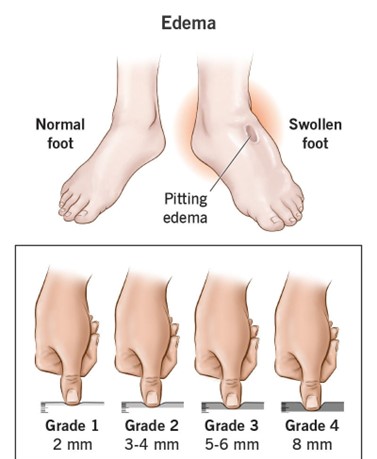
A nurse is caring for a client who has heart failure and has gained 2 kg (4.4 lB. over the last 24 hours. Which of the following interventions should the nurse take?
A. Reduce the client's sodium intake.
Reducing the client's sodium intake is an appropriate intervention for the nurse to take because it can help prevent fluid retention and edema, which are complications of heart failure. Sodium intake should be limited to 2 g per day or less for clients who have heart failure.
B. Restrict the client's protein intake.
Restricting the client's protein intake is not an appropriate intervention for the nurse to take because it can cause malnutrition and muscle wasting, which can worsen heart failure. Protein intake should be adequate to meet the client's nutritional needs and support cardiac function. Protein intake should be about 0.8 to 1.2 g per kg of body weight per day for clients who have heart failure.
C. Weigh the client once per week.
Weighing the client once per week is not an appropriate intervention for the nurse to take because it can delay the detection and treatment of fluid overload, which can worsen heart failure. The client should be weighed daily at the same time and with the same scale and clothing to monitor fluid status and adjust medication dosage.
D. Provide the client with three large meals per day.
Providing the client with three large meals per day is not an appropriate intervention for the nurse to take because it can increase the workload of the heart and cause dyspnea, fatigue, or chest pain, which are symptoms of heart failure. The client should be provided with small, frequent meals that are low in sodium, fat, and cholesterol to reduce cardiac stress and promote digestion.
Full Explanation
Choice A reason: Reducing the client's sodium intake is an appropriate intervention for the nurse to take because it can help prevent fluid retention and edema, which are complications of heart failure. Sodium intake should be limited to 2 g per day or less for clients who have heart failure.
Choice B reason: Restricting the client's protein intake is not an appropriate intervention for the nurse to take because it can cause malnutrition and muscle wasting, which can worsen heart failure. Protein intake should be adequate to meet the client's nutritional needs and support cardiac function. Protein intake should be about 0.8 to 1.2 g per kg of body weight per day for clients who have heart failure.
Choice C reason: Weighing the client once per week is not an appropriate intervention for the nurse to take because it can delay the detection and treatment of fluid overload, which can worsen heart failure. The client should be weighed daily at the same time and with the same scale and clothing to monitor fluid status and adjust medication dosage.
Choice D reason: Providing the client with three large meals per day is not an appropriate intervention for the nurse to take because it can increase the workload of the heart and cause dyspnea, fatigue, or chest pain, which are symptoms of heart failure. The client should be provided with small, frequent meals that are low in sodium, fat, and cholesterol to reduce cardiac stress and promote digestion.
A nurse is caring for a client who has nausea following radiation therapy. Which of the following interventions is appropriate for the nurse to take?
A. Offer the client frozen banana as a snack.
Offering the client frozen banana as a snack is an appropriate intervention for the nurse to take because it can help reduce nausea and stimulate appetite. Frozen banana is cold, bland, and easy to digest, which are characteristics of antiemetic foods. Frozen banana also provides potassium, vitamin C, and fiber for the client.
B. Serve the client hot meals.
Serving the client hot meals is not an appropriate intervention for the nurse to take because it can worsen nausea and vomiting. Hot meals are aromatic, spicy, and greasy, which are characteristics of emetic foods. Hot meals can also irritate the stomach lining and trigger the gag reflex.
C. Avoid serving sauces or gravies.
Avoiding serving sauces or gravies is not an appropriate intervention for the nurse to take because it can cause dehydration and malnutrition. Sauces and gravies are liquid, mild, and moist, which are characteristics of antiemetic foods. Sauces and gravies can also enhance the flavor and texture of bland foods and provide calories and nutrients for the client.
D. Discourage the use of a straw.
Discouraging the use of a straw is not an appropriate intervention for the nurse to take because it can prevent adequate fluid intake and hydration. Using a straw can help the client sip small amounts of clear liquids, such as water, ginger ale, or broth, which are antiemetic fluids. Using a straw can also reduce the exposure to odors and tastes that may cause nausea.
Full Explanation
Choice A reason: Offering the client frozen banana as a snack is an appropriate intervention for the nurse to take because it can help reduce nausea and stimulate appetite. Frozen banana is cold, bland, and easy to digest, which are characteristics of antiemetic foods. Frozen banana also provides potassium, vitamin C, and fiber for the client.
Choice B reason: Serving the client hot meals is not an appropriate intervention for the nurse to take because it can worsen nausea and vomiting. Hot meals are aromatic, spicy, and greasy, which are characteristics of emetic foods. Hot meals can also irritate the stomach lining and trigger the gag reflex.
Choice C reason: Avoiding serving sauces or gravies is not an appropriate intervention for the nurse to take because it can cause dehydration and malnutrition. Sauces and gravies are liquid, mild, and moist, which are characteristics of antiemetic foods. Sauces and gravies can also enhance the flavor and texture of bland foods and provide calories and nutrients for the client.
Choice D reason: Discouraging the use of a straw is not an appropriate intervention for the nurse to take because it can prevent adequate fluid intake and hydration. Using a straw can help the client sip small amounts of clear liquids, such as water, ginger ale, or broth, which are antiemetic fluids. Using a straw can also reduce the exposure to odors and tastes that may cause nausea.