Nursing practice questions with comprehensive rationales
NurseDive Free Nursing Practice Question
A nurse is teaching a client who has multiple sclerosis and a new prescription for dantrolene. Which of the following statements by the client indicates an understanding of the teaching?
A. I can take an over-the-counter antihistamine for allergies when I’m taking this drug
Taking over-the-counter antihistamines with dantrolene is not recommended because both can cause drowsiness and increase the risk of side effects.
B. I should take this medication when my spasms are bad.
Dantrolene should be taken regularly as prescribed, not just when spasms are bad, to maintain consistent therapeutic levels and effectiveness.
C. My muscle strength should improve a lot in 2 to 3 days
Muscle strength improvement with dantrolene may take longer than 2 to 3 days. It typically requires a few weeks to see significant benefits.
D. I need to apply a sunscreen when I go outside
Dantrolene can cause photosensitivity, making the skin more sensitive to sunlight. Therefore, applying sunscreen when going outside is important to prevent sunburn.
This question is an excerpt from Nurse Dive's nursing test bank - ATI Custom Pharmacology Proctored Exam 2. Take the full exam now
Full Explanation
The correct answer is choice d. I need to apply a sunscreen when I go outside.
Choice A rationale:
Taking over-the-counter antihistamines with dantrolene is not recommended because both can cause drowsiness and increase the risk of side effects.
Choice B rationale:
Dantrolene should be taken regularly as prescribed, not just when spasms are bad, to maintain consistent therapeutic levels and effectiveness.
Choice C rationale:
Muscle strength improvement with dantrolene may take longer than 2 to 3 days. It typically requires a few weeks to see significant benefits.
Choice D rationale:
Dantrolene can cause photosensitivity, making the skin more sensitive to sunlight. Therefore, applying sunscreen when going outside is important to prevent sunburn.
Similar Questions
A nurse manager is providing an educational program on antibiotic sensitivity to bacterial infection. The nurse should include in the teaching that vancomycin is Indicated for which of the following infections?
A. Pseudomonas aeruginosa
B. Klebsiella
C. Methicillin resistant staphylococcus succus
Vancomycin is a glycopeptide antibiotic that is effective against gram-positive bacteria, particularly against MRSA, which is resistant to other antibiotics like methicillin. It is not effective against gram-negative bacteria such as Pseudomonas aeruginosa and Klebsiella. Candida is a fungal infection and is not treated with vancomycin. Therefore, in this educational program, the nurse manager should emphasize that vancomycin is indicated for the treatment of infections caused by MRSA.
D. candida
Full Explanation
Vancomycin is a glycopeptide antibiotic that is effective against gram-positive bacteria, particularly against MRSA, which is resistant to other antibiotics like methicillin. It is not effective against gram-negative bacteria such as Pseudomonas aeruginosa and Klebsiella. Candida is a fungal infection and is not treated with vancomycin. Therefore, in this educational program, the nurse manager should emphasize that vancomycin is indicated for the treatment of infections caused by MRSA.

A nurse In a community health clinic is administering seasonal inactive influenza vaccine. Before
administering it, the nurse must confirm that the client is not allergic to which of the following:
A. Eggs
Influenza vaccine production involves growing the virus in eggs. Therefore, the vaccine may contain trace amounts of egg proteins. Some individuals may be allergic to egg proteins and may experience an allergic reaction after receiving the vaccine. For this reason, healthcare providers should always ask their patients about egg allergies before administering the influenza vaccine. Yeast, gelatin, and shellfish are not typically present in the seasonal inactive influenza vaccine, so allergy to these substances is not a concern when administering the vaccine. However, if a person has a known allergy to any of the ingredients in the vaccine, they should inform their healthcare provider before receiving it.
B. Yeast
C. Gelatin
D. Shellfish
Full Explanation
Influenza vaccine production involves growing the virus in eggs. Therefore, the vaccine may contain trace amounts of egg proteins. Some individuals may be allergic to egg proteins and may experience an allergic reaction after receiving the vaccine. For this reason, healthcare providers should always ask their patients about egg allergies before administering the influenza vaccine.
Yeast, gelatin, and shellfish are not typically present in the seasonal inactive influenza vaccine, so allergy to these substances is not a concern when administering the vaccine. However, if a person has a known allergy to any of the ingredients in the vaccine, they should inform their healthcare provider before receiving it.

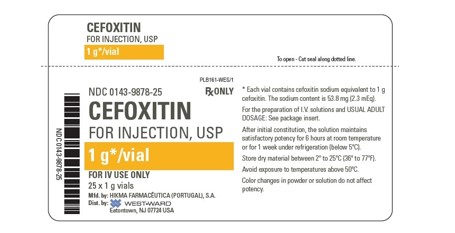
A nurse is reviewing the medical record of a client who is to receive the first dose of cefoxitin, a cephalosporin via intermitent IV bolus Which of the following findings should the nurse Identify as a contraindication for the client to receive cefoxitin and report to the provider?
A. A recent history of diarrhea for 3 days.
B. Serum creatinine 0.8 mg/dL.
C. Severe allergy to amoxicillin.
Cefoxitin is a cephalosporin antibiotic and can cause allergic reactions in people who are allergic to penicillin or other beta-lactam antibiotics like amoxicillin. Therefore, a severe allergy to amoxicillin is a contraindication for the client to receive cefoxitin, and the nurse should report this finding to the provider immediately. A recent history of diarrhea for three days is not a contraindication for cefoxitin administration. However, the nurse should monitor the client for signs of diarrhea and report any worsening symptoms to the provider. A serum creatinine level of 0.8 mg/dL is within the normal range and is not a contraindication for cefoxitin administration. A history of phlebitis following an IV infusion of 0.9% sodium chloride with 10 mEq potassium chloride is not a contraindication for cefoxitin administration. However, the nurse should assess the client's veins carefully before administering the medication and choose a different site or route for administration if necessary.
D. A history of phlebitis following an IV infusion of 0.9% sodium chloride with 10 mEq potassium chloride.
Full Explanation
Cefoxitin is a cephalosporin antibiotic and can cause allergic reactions in people who are allergic to penicillin or other beta-lactam antibiotics like amoxicillin. Therefore, a severe allergy to amoxicillin is a contraindication for the client to receive cefoxitin, and the nurse should report this finding to the provider immediately.
A recent history of diarrhea for three days is not a contraindication for cefoxitin administration. However, the nurse should monitor the client for signs of diarrhea and report any worsening symptoms to the provider.
A serum creatinine level of 0.8 mg/dL is within the normal range and is not a contraindication for cefoxitin administration.
A history of phlebitis following an IV infusion of 0.9% sodium chloride with 10 mEq potassium chloride is not a contraindication for cefoxitin administration. However, the nurse should assess the client's veins carefully before administering the medication and choose a different site or route for administration if necessary.