
Nursing practice questions with comprehensive rationales
NurseDive Free Nursing Practice Question
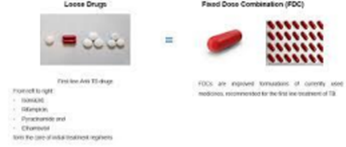
A nurse is teaching a client who has tuberculosis and is to start combination drug therapy. Which of the following medications should the w plan to administer? (Select all that apply.)
A. Rifampin
B. Acyclovir
C. Montelukast
D. Isoniazid
E. Pyrazinamide
This question is an excerpt from Nurse Dive's nursing test bank - ATI SP 250 Exam 3 Med Surg Proctored Exam. Take the full exam now
Full Explanation
This is because these medications are antimycobacterial agents that inhibit the growth and replication of Mycobacterium tuberculosis, the bacterium that causes tuberculosis. Acyclovir is an antiviral medication that is used to treat herpes simplex virus infections, and montelukast is a leukotriene receptor antagonist that is used to prevent asthma attacks.
Similar Questions
A nurse is admitting a client who has sustained severe burn injuries in a grease fire. The nurse shades in a diagram indicating the burned surface areas. Using the Rule of Nines, the nurse should estimate that the client has burned what percentage of body surface area? (Round the answer to the nearest tenth. Use a leading zero if it applies. Do not use a trailing zero.)
Full Explanation
The anterior chest wall and abdomen accounts for 18%, the left upper limb 9 % (4.5% anteriorly and 4.5% posteriorly), and the right upper limb 4.5% (2.25% anteriorly and 2.25% posteriorly).
(18+9+4.5) =31.5%

A nurse in a community health clinic is caring for a client who has a history of HIV. For each of the following assessment findings for the client, identify if the finding is consistent with HIV stage I or HIV stage III (AIDS). Each finding may support more than one disease process.
A. CD4 cell count 200 cells/mm3 (600-1500 cells/mm3)
B. Weight changes
C. Chest x-ray showing bilateral white infiltrates consistent with pneumonia
D. Skin condition
E. Latest CD4 cell count
A nurse is caring for a client who is receiving cisplatin for treatment of ovarian cancer. The client's most recent complete blood count (CBC) is shown in the table below. It is important for the nurse to consider which of the following for the client? WBC
1,400/mm3
RBC
4.3 x 10¹²/L
Hgb
Hct
Platelets
Albumin
12.1 g/dL
36.5%
170,000/mm3
5 g/dL
A. The client has an increased risk of infection.
This is because the client's white blood cell (WBC) count is low, which indicates a compromised immune system. The normal range for WBC is 4,000 to 11,000/mm3. A low WBC count can be caused by chemotherapy, which is a common treatment for ovarian cancer. The nurse should monitor the client for signs of infection, such as fever, chills, redness, swelling, or drainage, and implement infection prevention measures, such as hand hygiene, sterile technique, and isolation precautions.
B. The client should receive a diet with increased protein.
C. The client has an increased risk for bleeding.
This is because the client's platelet count is low, which indicates a reduced ability to form clots and stop bleeding. The normal range for platelets is 150,000 to 400,000/mm3. A low platelet count can be caused by chemotherapy, which can damage the bone marrow where platelets are produced. The nurse should monitor the client for signs of bleeding, such as petechiae, ecchymosis, hematuria, or melena, and implement bleeding prevention measures, such as avoiding invasive procedures, applying pressure to puncture sites, and using soft-bristled toothbrushes.
D. The client should receive an erythropoiesis stimulating agent.
Full Explanation
Answer: A. The client has an increased risk of infection.
Rationale: This is because the client's white blood cell (WBC) count is low, which indicates a compromised immune system. The normal range for WBC is 4,000 to 11,000/mm3. A low WBC count can be caused by chemotherapy, which is a common treatment for ovarian cancer. The nurse should monitor the client for signs of infection, such as fever, chills, redness, swelling, or drainage, and implement infection prevention measures, such as hand hygiene, sterile technique, and isolation precautions.
Answer: C. The client has an increased risk for bleeding.
Rationale: This is because the client's platelet count is low, which indicates a reduced ability to form clots and stop bleeding. The normal range for platelets is 150,000 to 400,000/mm3. A low platelet count can be caused by chemotherapy, which can damage the bone marrow where platelets are produced. The nurse should monitor the client for signs of bleeding, such as petechiae, ecchymosis, hematuria, or melena, and implement bleeding prevention measures, such as avoiding invasive procedures, applying pressure to puncture sites, and using soft-bristled toothbrushes.