
Nursing practice questions with comprehensive rationales
NurseDive Free Nursing Practice Question
A nurse is teaching a parent about appropriate snack choices for her 9-month-old infant. Which of the following food choices should the nurse recommend?
A. Raw carrots
Raw carrots are not a good choice for a 9-month-old infant because they are also a choking hazard. Raw carrots are hard and crunchy, which can be difficult for the infant to chew and swallow. Raw carrots should be cooked until soft and cut into small pieces before offering to the infant.
B. Unsalted popcorn
Unsalted popcorn is not a good choice for a 9-month-old infant because it poses a choking hazard. Popcorn is hard, dry, and irregularly shaped, which can easily get stuck in the infant's throat or airway. Popcorn should be avoided until the child is at least 4 years old.
C. Skim milk
Skim milk is not a good choice for a 9-month-old infant because it does not provide enough fat and calories for their growth and development. Infants should drink breast milk or formula until they are at least 12 months old.
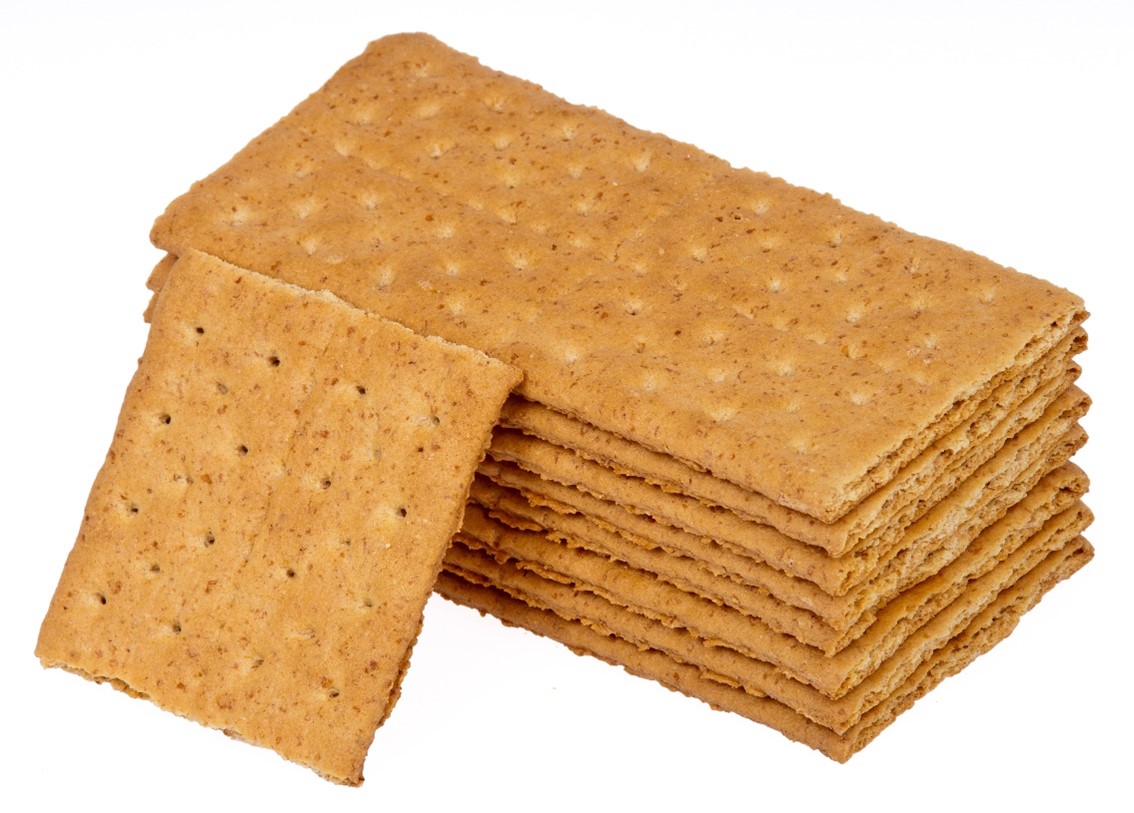
D. Graham crackers
Graham crackers are a good choice for a 9-month-old infant because they are soft, easy to chew, and provide carbohydrates and iron for their energy and growth. Graham crackers can be broken into small pieces and given to the infant as finger food.
This question is an excerpt from Nurse Dive's nursing test bank - RN Nutrition 2019 Nexy Updated 2023 Proctored Exam. Take the full exam now
Full Explanation
Choice A reason: Raw carrots are not a good choice for a 9-month-old infant because they are also a choking hazard. Raw carrots are hard and crunchy, which can be difficult for the infant to chew and swallow. Raw carrots should be cooked until soft and cut into small pieces before offering to the infant.
Choice B reason: Unsalted popcorn is not a good choice for a 9-month-old infant because it poses a choking hazard. Popcorn is hard, dry, and irregularly shaped, which can easily get stuck in the infant's throat or airway. Popcorn should be avoided until the child is at least 4 years old.
Choice C reason: Skim milk is not a good choice for a 9-month-old infant because it does not provide enough fat and calories for their growth and development. Infants should drink breast milk or formula until they are at least 12 months old.
Choice D reason: Graham crackers are a good choice for a 9-month-old infant because they are soft, easy to chew, and provide carbohydrates and iron for their energy and growth. Graham crackers can be broken into small pieces and given to the infant as finger food.
Similar Questions
A nurse is caring for a client who has benign prostatic hyperplasia. Which of the following findings indicates that the client's treatment has been effective?
A. The client has a creatinine level of 1.0 mg/dL.
The client's creatinine level of 1.0 mg/dL is within the normal range, but it does not indicate that the treatment for benign prostatic hyperplasia has been effective. Creatinine is a waste product of muscle metabolism that is filtered by the kidneys and excreted in urine. It reflects the kidney function, not the prostate condition.
B. The client has a urine output of 35 mL/hr.
The client's urine output of 35 mL/hr is below the normal range, which is 40 to 60 mL/hr. This indicates that the client may have dehydration, kidney impairment, or urinary retention, which are complications of benign prostatic hyperplasia. A low urine output does not indicate that the treatment has been effective.
C. The client passes soft, brown stool.
The client's stool color and consistency are not related to the treatment for benign prostatic hyperplasia. Stool characteristics depend on various factors, such as diet, medication, and bowel function. A soft, brown stool does not indicate that the treatment has been effective.
D. The client does not have to strain to begin urination.
The client's ability to urinate without straining is a sign that the treatment for benign prostatic hyperplasia has been effective. Benign prostatic hyperplasia is a condition in which the prostate gland enlarges and compresses the urethra, causing difficulty in urination. A treatment that reduces the size of the prostate or relaxes the bladder neck muscles can improve the urine flow and reduce the straining.
Full Explanation
Choice A reason: The client's creatinine level of 1.0 mg/dL is within the normal range, but it does not indicate that the treatment for benign prostatic hyperplasia has been effective. Creatinine is a waste product of muscle metabolism that is filtered by the kidneys and excreted in urine. It reflects the kidney function, not the prostate condition.
Choice B reason: The client's urine output of 35 mL/hr is below the normal range, which is 40 to 60 mL/hr. This indicates that the client may have dehydration, kidney impairment, or urinary retention, which are complications of benign prostatic hyperplasia. A low urine output does not indicate that the treatment has been effective.
Choice C reason: The client's stool color and consistency are not related to the treatment for benign prostatic hyperplasia. Stool characteristics depend on various factors, such as diet, medication, and bowel function. A soft, brown stool does not indicate that the treatment has been effective.
Choice D reason: The client's ability to urinate without straining is a sign that the treatment for benign prostatic hyperplasia has been effective. Benign prostatic hyperplasia is a condition in which the prostate gland enlarges and compresses the urethra, causing difficulty in urination. A treatment that reduces the size of the prostate or relaxes the bladder neck muscles can improve the urine flow and reduce the straining.
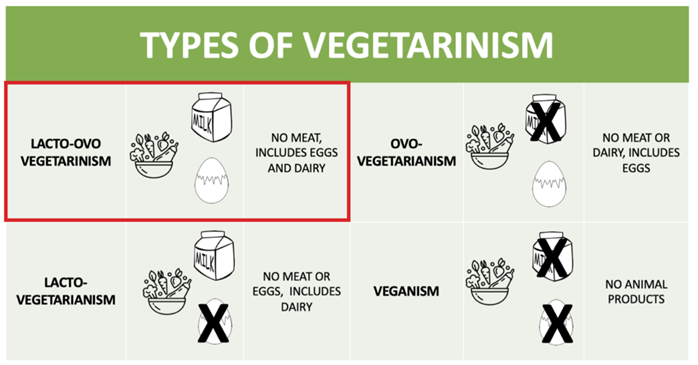
A nurse is selecting food items for a client who follows a lacto-vegetarian diet. Which of the following foods should the nurse include in the meal?
A. Hamburger
Hamburger is not a suitable food item for a lacto-vegetarian diet because it is made from ground beef, which is an animal product. A lacto-vegetarian diet excludes meat, poultry, fish, and eggs, but allows dairy products.
B. Cheese
Cheese is a suitable food item for a lacto-vegetarian diet because it is a dairy product, which is allowed in this type of diet. Cheese provides protein, calcium, and vitamin B12 for lacto-vegetarians.
C. Eggs
Eggs are not a suitable food item for a lacto-vegetarian diet because they are an animal product. Eggs are excluded from a lacto-vegetarian diet, but they are allowed in an ovo-lacto vegetarian diet, which also includes dairy products.
D. Shrimp
Shrimp is not a suitable food item for a lacto-vegetarian diet because it is a seafood product, which is an animal product. Seafood is excluded from a lacto-vegetarian diet, but it is allowed in a pescatarian diet, which also includes dairy products and eggs.
Full Explanation
Choice A reason: Hamburger is not a suitable food item for a lacto-vegetarian diet because it is made from ground beef, which is an animal product. A lacto-vegetarian diet excludes meat, poultry, fish, and eggs, but allows dairy products.
Choice B reason: Cheese is a suitable food item for a lacto-vegetarian diet because it is a dairy product, which is allowed in this type of diet. Cheese provides protein, calcium, and vitamin B12 for lacto-vegetarians.
Choice C reason: Eggs are not a suitable food item for a lacto-vegetarian diet because they are an animal product. Eggs are excluded from a lacto-vegetarian diet, but they are allowed in an ovo-lacto vegetarian diet, which also includes dairy products.
Choice D reason: Shrimp is not a suitable food item for a lacto-vegetarian diet because it is a seafood product, which is an animal product. Seafood is excluded from a lacto-vegetarian diet, but it is allowed in a pescatarian diet, which also includes dairy products and eggs.
A nurse is providing dietary teaching to a client who has a body mass index of 22. Which of the following actions should the nurse take?
A. Recommend a total fat intake of 12 g each day.
Recommending a total fat intake of 12 g each day is not an appropriate action for the nurse to take because it is too low for most adults. The recommended dietary allowance (RDA. for fat is 20 to 35% of total calories per day, which translates to about 44 to 78 g of fat per day for an average adult who consumes 2,000 calories per day.
B. Refer the client to a weight-loss support group.
Referring the client to a weight-loss support group is not an appropriate action for the nurse to take because the client does not need to lose weight. A body mass index (BMI) of 22 is within the normal range, which is 18.5 to 24.9. A weight-loss support group is more suitable for clients who have a BMI of 25 or higher, which indicates overweight or obesity.
C. Advise the client to add 500 calories per day to the diet.
Advising the client to add 500 calories per day to the diet is not an appropriate action for the nurse to take because it may lead to weight gain. A client who has a BMI of 22 does not need to increase their caloric intake unless they have other medical conditions or nutritional needs that require more calories. Adding 500 calories per day to the diet can result in gaining about one pound per week, which can increase the risk of obesity and its complications.
D. Encourage the client to continue current daily caloric intake.
Encouraging the client to continue current daily caloric intake is an appropriate action for the nurse to take because it can help maintain a healthy weight. A client who has a BMI of 22 has a balanced energy intake and expenditure, which means that they consume enough calories to meet their metabolic needs and physical activity level. Continuing current daily caloric intake can prevent weight loss or gain and promote health and wellness.
Full Explanation
Choice A reason: Recommending a total fat intake of 12 g each day is not an appropriate action for the nurse to take because it is too low for most adults. The recommended dietary allowance (RDA. for fat is 20 to 35% of total calories per day, which translates to about 44 to 78 g of fat per day for an average adult who consumes 2,000 calories per day.
Choice B reason: Referring the client to a weight-loss support group is not an appropriate action for the nurse to take because the client does not need to lose weight. A body mass index (BMI) of 22 is within the normal range, which is 18.5 to 24.9. A weight-loss support group is more suitable for clients who have a BMI of 25 or higher, which indicates overweight or obesity.
Choice C reason: Advising the client to add 500 calories per day to the diet is not an appropriate action for the nurse to take because it may lead to weight gain. A client who has a BMI of 22 does not need to increase their caloric intake unless they have other medical conditions or nutritional needs that require more calories. Adding 500 calories per day to the diet can result in gaining about one pound per week, which can increase the risk of obesity and its complications.
Choice D reason: Encouraging the client to continue current daily caloric intake is an appropriate action for the nurse to take because it can help maintain a healthy weight. A client who has a BMI of 22 has a balanced energy intake and expenditure, which means that they consume enough calories to meet their metabolic needs and physical activity level. Continuing current daily caloric intake can prevent weight loss or gain and promote health and wellness.