Nursing practice questions with comprehensive rationales
NurseDive Free Nursing Practice Question
A nurse is transcribing a new prescription for a client which states, "Diphenhydramine 50 mg NOW." Which of the following actions should the nurse take?
A. Contact the provider to clarify the prescription.
Contact the provider to clarify the prescription is not appropriate. Contacting the provider might not be necessary in this case. The prescription specifies "NOW," indicating an urgent administration, which is a clear directive to administer the medication promptly without further clarification.
B. Administer the medication within 90 min.
Administer the medication within 90 minutes is appropriate. "NOW" typically implies an urgent need for administration, and within a hospital setting, "NOW" often indicates a timeframe of around 90 minutes for prompt administration of the medication.
C. Notify the pharmacy to send the medication immediately.
Notify the pharmacy to send the medication immediately is inappropriate. With the prescription stating "NOW," the need for immediate administration usually requires using the hospital's available stock of the medication rather than waiting for delivery from the pharmacy. This action might cause a delay in administration.
D. Inform the client there is a prescription available if needed.
Inform the client there is a prescription available if needed is inappropriate. This option is not suitable in this scenario. "NOW" in the prescription implies the immediate need for administration, so informing the client about the availability of the prescription doesn't align with the urgency implied by the directive "NOW."
This question is an excerpt from Nurse Dive's nursing test bank - RN Pharmacology 2019 Proctored Exam 5. Take the full exam now
Full Explanation
Choice A Reason:
Contact the provider to clarify the prescription is not appropriate. Contacting the provider might not be necessary in this case. The prescription specifies "NOW," indicating an urgent administration, which is a clear directive to administer the medication promptly without further clarification.
Choice B Reason:
Administer the medication within 90 minutes is appropriate. "NOW" typically implies an urgent need for administration, and within a hospital setting, "NOW" often indicates a timeframe of around 90 minutes for prompt administration of the medication.
Choice C Reason:
Notify the pharmacy to send the medication immediately is inappropriate. With the prescription stating "NOW," the need for immediate administration usually requires using the hospital's available stock of the medication rather than waiting for delivery from the pharmacy. This action might cause a delay in administration.
Choice D Reason:
Inform the client there is a prescription available if needed is inappropriate. This option is not suitable in this scenario. "NOW" in the prescription implies the immediate need for administration, so informing the client about the availability of the prescription doesn't align with the urgency implied by the directive "NOW."
Similar Questions
A nurse is caring for a client who is in shock and is receiving an infusion of albumin. Which of the following findings should the nurse expect?
A. Oxygen saturation 96%
Oxygen saturation within this range is generally considered adequate and might not directly correlate with the administration of albumin.
B. Decrease in protein
Decrease in protein is incorrect. Albumin infusions are meant to supplement protein levels in the blood, so a decrease in protein wouldn't be an expected finding.
C. Increase in BP
Increase in blood pressure is correct. Albumin infusions can potentially help increase blood volume, leading to an increase in blood pressure. In shock, where there's a significant decrease in blood pressure due to reduced circulating volume, administering albumin or other intravenous fluids can help restore blood volume and consequently raise blood pressure towards a more stable range.
D. PaCO2 30 mm Hg
PaCO2 of 30 mm Hg is incorrect. PaCO2 levels are related to respiratory function and the amount of carbon dioxide in the blood. While shock can impact various physiological parameters, a PaCO2 level of 30 mm Hg alone might not be directly tied to the administration of albumin in shock.
Full Explanation
Choice A Reason:
Oxygen saturation within this range is generally considered adequate and might not directly correlate with the administration of albumin.
Choice B Reason:
Decrease in protein is incorrect. Albumin infusions are meant to supplement protein levels in the blood, so a decrease in protein wouldn't be an expected finding.
Choice C Reason:
Increase in blood pressure is correct. Albumin infusions can potentially help increase blood volume, leading to an increase in blood pressure. In shock, where there's a significant decrease in blood pressure due to reduced circulating volume, administering albumin or other intravenous fluids can help restore blood volume and consequently raise blood pressure towards a more stable range.
Choice D Reason:
PaCO2 of 30 mm Hg is incorrect. PaCO2 levels are related to respiratory function and the amount of carbon dioxide in the blood. While shock can impact various physiological parameters, a PaCO2 level of 30 mm Hg alone might not be directly tied to the administration of albumin in shock.
A nurse is caring for a client who has major depression and a new prescription for citalopram. Which of the following adverse effects is the priority for the nurse to report to the provider?
A. Weight loss
Weight loss is incorrect. While weight loss can be a side effect of citalopram, it's not typically considered a severe or urgent adverse effect that requires immediate reporting to the provider. It's more often observed in some individuals as a common side effect of this medication.
B. Confusion
Confusion can indicate a severe or uncommon adverse reaction to citalopram, especially in the context of treating major depression. It could potentially signify a serious condition that requires immediate attention. Reporting confusion promptly allows the healthcare provider to assess the situation and make appropriate adjustments to the medication regimen or provide additional interventions if necessary.
C. Insomnia
Insomnia is incorrect. Insomnia is another potential side effect of citalopram. While it can affect the individual's quality of life, it's not typically an adverse effect that would be considered an urgent concern requiring immediate reporting to the provider.
D. Bruxism
Bruxism is incorrect. Bruxism, or teeth grinding, is a less common side effect of citalopram. While it can cause discomfort or dental issues, it's not typically considered a priority adverse effect that necessitates immediate reporting to the provider compared to confusion, which might indicate a more serious or severe reaction.
Full Explanation
Choice A Reason:
Weight loss is incorrect. While weight loss can be a side effect of citalopram, it's not typically considered a severe or urgent adverse effect that requires immediate reporting to the provider. It's more often observed in some individuals as a common side effect of this medication.
Choice B Reason:
Confusion can indicate a severe or uncommon adverse reaction to citalopram, especially in the context of treating major depression. It could potentially signify a serious condition that requires immediate attention. Reporting confusion promptly allows the healthcare provider to assess the situation and make appropriate adjustments to the medication regimen or provide additional interventions if necessary.
Choice C Reason:
Insomnia is incorrect. Insomnia is another potential side effect of citalopram. While it can affect the individual's quality of life, it's not typically an adverse effect that would be considered an urgent concern requiring immediate reporting to the provider.
Choice D Reason:
Bruxism is incorrect. Bruxism, or teeth grinding, is a less common side effect of citalopram. While it can cause discomfort or dental issues, it's not typically considered a priority adverse effect that necessitates immediate reporting to the provider compared to confusion, which might indicate a more serious or severe reaction.
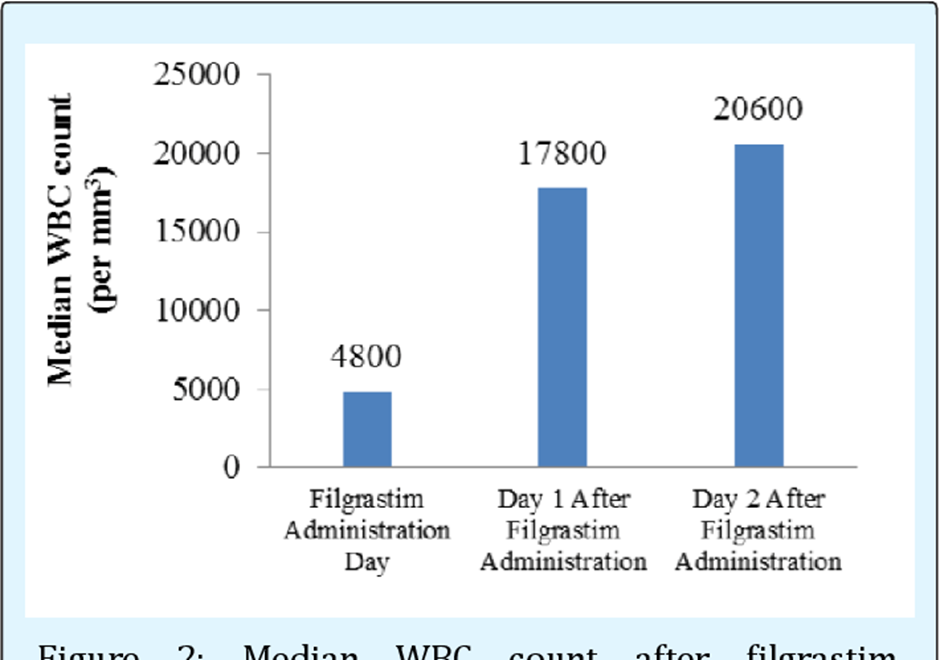
A nurse is reviewing the laboratory data of a client who is receiving filgrastim. Which of the following laboratory values should the nurse monitor to evaluate the effectiveness of the treatment?
A. INR
INR (International Normalized Ratio) is incorrect. INR is a measurement used to monitor the effects of anticoagulants like warfarin. It assesses the blood's ability to clot. Filgrastim does not directly affect INR levels, so monitoring INR would not provide information about the effectiveness of filgrastim in stimulating white blood cell production.
B. BUN
BUN (Blood Urea Nitrogen) is incorrect. BUN levels primarily indicate kidney function and hydration status. They are not directly influenced by filgrastim treatment. Monitoring BUN is essential for assessing kidney function but does not reflect the effectiveness of filgrastim therapy in increasing white blood cell counts.
C. WBC count
WBC count is correct. Filgrastim is a medication that stimulates the production of white blood cells (WBCs), particularly neutrophils. Therefore, the key laboratory value to monitor for assessing the effectiveness of filgrastim therapy is the WBC count. An increase in the WBC count, particularly in the neutrophil count, signifies the intended therapeutic effect of filgrastim in boosting the immune system's response by increasing the production of these infection-fighting cells.
D. Potassium level
Potassium level is incorrect. Potassium levels are crucial for heart and muscle function. While certain medications might affect potassium levels, filgrastim's primary action is on stimulating white blood cell production and does not directly impact potassium levels. Monitoring potassium levels is essential for overall health but does not specifically indicate the effectiveness of filgrastim treatment.
Full Explanation
Choice A Reason:
INR (International Normalized Ratio) is incorrect. INR is a measurement used to monitor the effects of anticoagulants like warfarin. It assesses the blood's ability to clot. Filgrastim does not directly affect INR levels, so monitoring INR would not provide information about the effectiveness of filgrastim in stimulating white blood cell production.
Choice B Reason:
BUN (Blood Urea Nitrogen) is incorrect. BUN levels primarily indicate kidney function and hydration status. They are not directly influenced by filgrastim treatment. Monitoring BUN is essential for assessing kidney function but does not reflect the effectiveness of filgrastim therapy in increasing white blood cell counts.
Choice C Reason:
WBC count is correct. Filgrastim is a medication that stimulates the production of white blood cells (WBCs), particularly neutrophils. Therefore, the key laboratory value to monitor for assessing the effectiveness of filgrastim therapy is the WBC count. An increase in the WBC count, particularly in the neutrophil count, signifies the intended therapeutic effect of filgrastim in boosting the immune system's response by increasing the production of these infection-fighting cells.
Choice D Reason:
Potassium level is incorrect. Potassium levels are crucial for heart and muscle function. While certain medications might affect potassium levels, filgrastim's primary action is on stimulating white blood cell production and does not directly impact potassium levels. Monitoring potassium levels is essential for overall health but does not specifically indicate the effectiveness of filgrastim treatment.